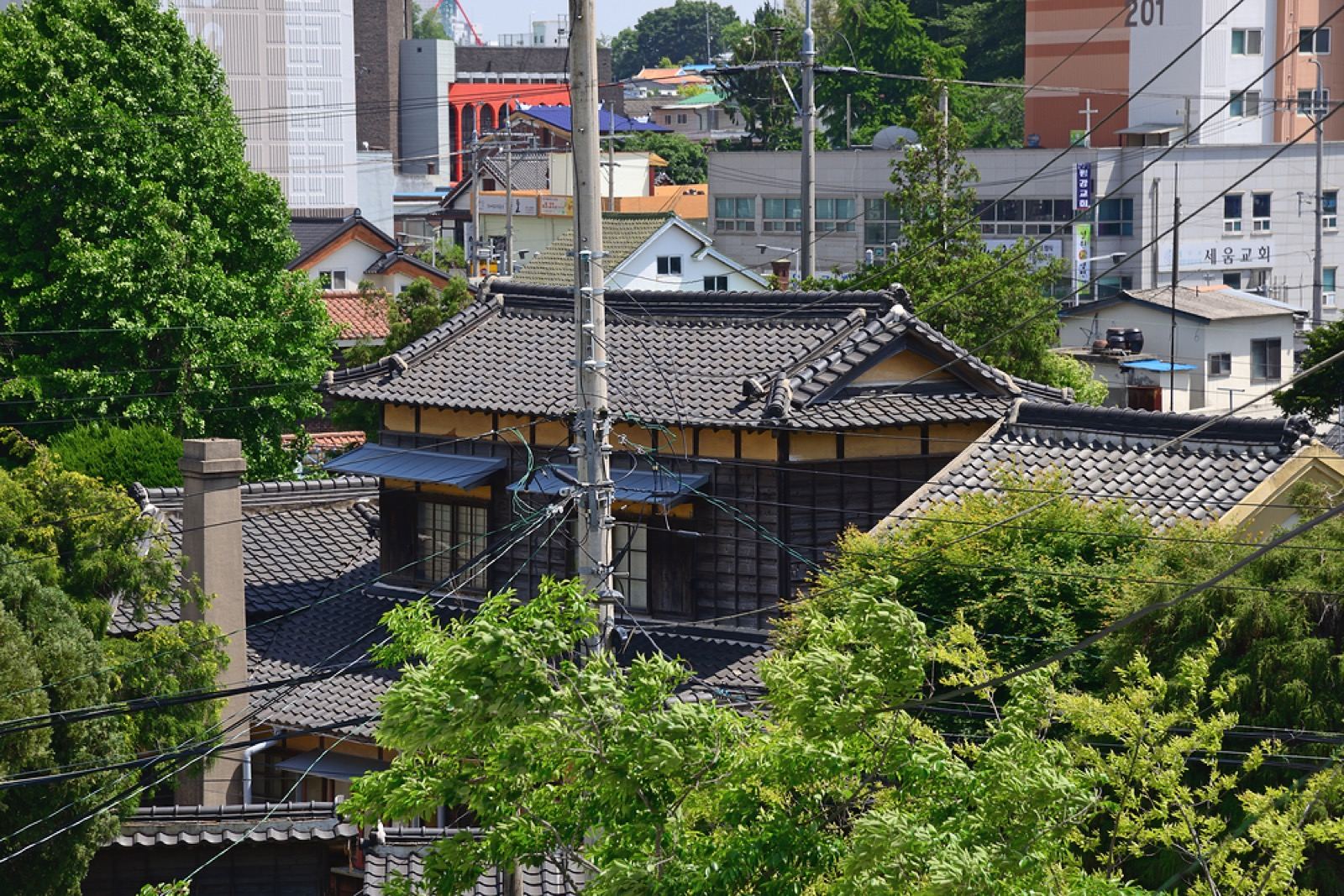
Gunsan is a small port city on Korea's west coast where the Japanese colonial era never quite got painted over — 1930s wooden houses, a former bank, a rail-track market street, and the restaurant that gave Korea jjajangmyeon. It's a half-day of history and food in a town most foreign visitors have never heard of, a couple of hours south of Seoul in Jeollabuk-do. If you like places that feel lived-in and slightly faded rather than polished for tourists, Gunsan is a quiet winner.
Why Gunsan looks the way it does
Gunsan was a rice-exporting port under Japanese rule, and that history left an unusually dense cluster of colonial-era architecture behind. Rather than tear it all down, the city turned the old quarter into an open-air "modern history" district. The result is one of the easiest places in Korea to walk among genuine 1920s–30s buildings, with the trade-off that the history behind them is heavy, not nostalgic.
What to see
- Sinheung-dong Japanese-style houses — including the well-known Hirotsu House, a large wooden merchant's residence with a classic interior garden, used as a film location and preserved as-is.
- Former Bank of Joseon & Gunsan Customs — grand colonial-era institutional buildings, now museums on the port's trade history.
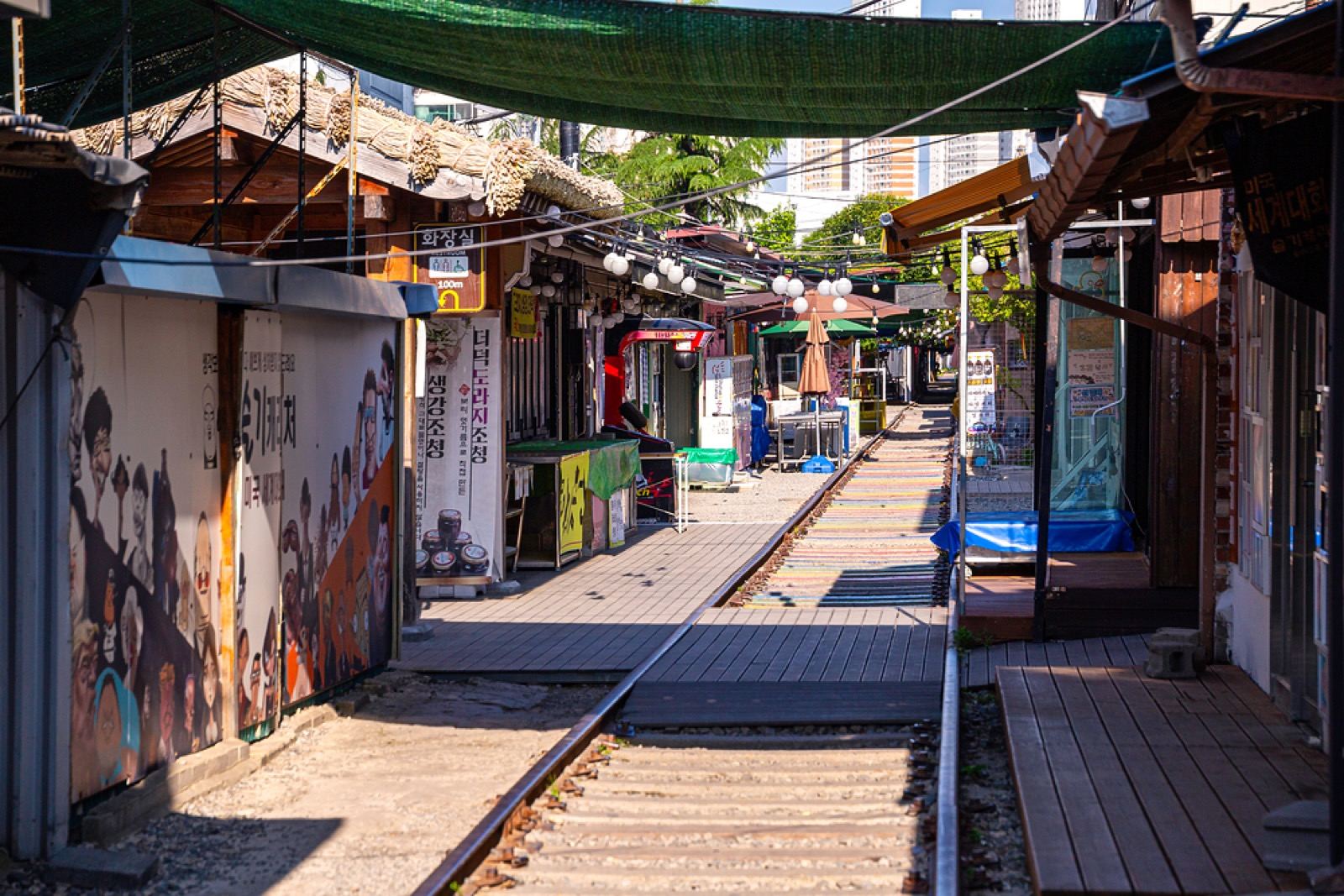
- Gyeongam-dong Railroad Village (경암동 철길마을) — a narrow lane where a disused rail line runs right between the shopfronts, now lined with retro snack stalls and photo spots. It's the town's most-photographed corner.
- Chojan Wetland / Eunpa Park — for a green break by the water.
The food: jjajangmyeon's hometown
Gunsan claims a real culinary landmark: Bin-Hae-Won, a century-old Chinese restaurant often cited as the birthplace of jjajangmyeon, the black-bean noodle dish that's now on every Korean street. Whether or not you buy the exact origin story, eating a bowl here is a fun pilgrimage. Come off-peak; the queue is real.
Then there's Lee Sung-dang (이성당), said to be the oldest bakery in Korea, famous for its red-bean bread and vegetable bread. Expect a line out the door and buy more than you think you need.
Gunsan is a food-and-history combo more than a sightseeing marathon. Two anchor meals (jjajangmyeon and a bakery run) plus a slow walk through the colonial quarter is the trip.
When to go
Spring and autumn are most comfortable for walking the old town. Summer is humid on the coast; winter is quiet and cold but the indoor museums and bakeries still deliver. Weekdays are much calmer at the railroad village and the famous restaurants.
How to get to Gunsan
- Train: take a Mugunghwa or ITX service toward Gunsan; from Seoul (Yongsan) it's roughly 3 hours as of 2026, or route via a KTX to Iksan and transfer. Confirm current schedules.
- Bus: intercity buses run from Seoul's Central City / Express terminals.
- The old-town sights cluster together and are walkable; the railroad village is a short taxi ride from the historic core.
How to do it
- Book your train or bus ahead, especially for weekends.
- Start in the colonial quarter — Hirotsu House, the former bank, the customs house.
- Eat jjajangmyeon at the historic Chinese restaurant (go early to beat the line).
- Walk the Gyeongam-dong Railroad Village for the photos and retro snacks.
- Grab bread from Lee Sung-dang before you leave.
Since Gunsan is a rail/bus trip from Seoul or Jeonju, having your tickets and any rail pass sorted in advance keeps the day easy.
Sort trains & passes for your Korea trip
Go for the layered, slightly melancholy sense of history and the two great meals. Gunsan won't dazzle you, but it sticks with you, which is more than most day trips manage.