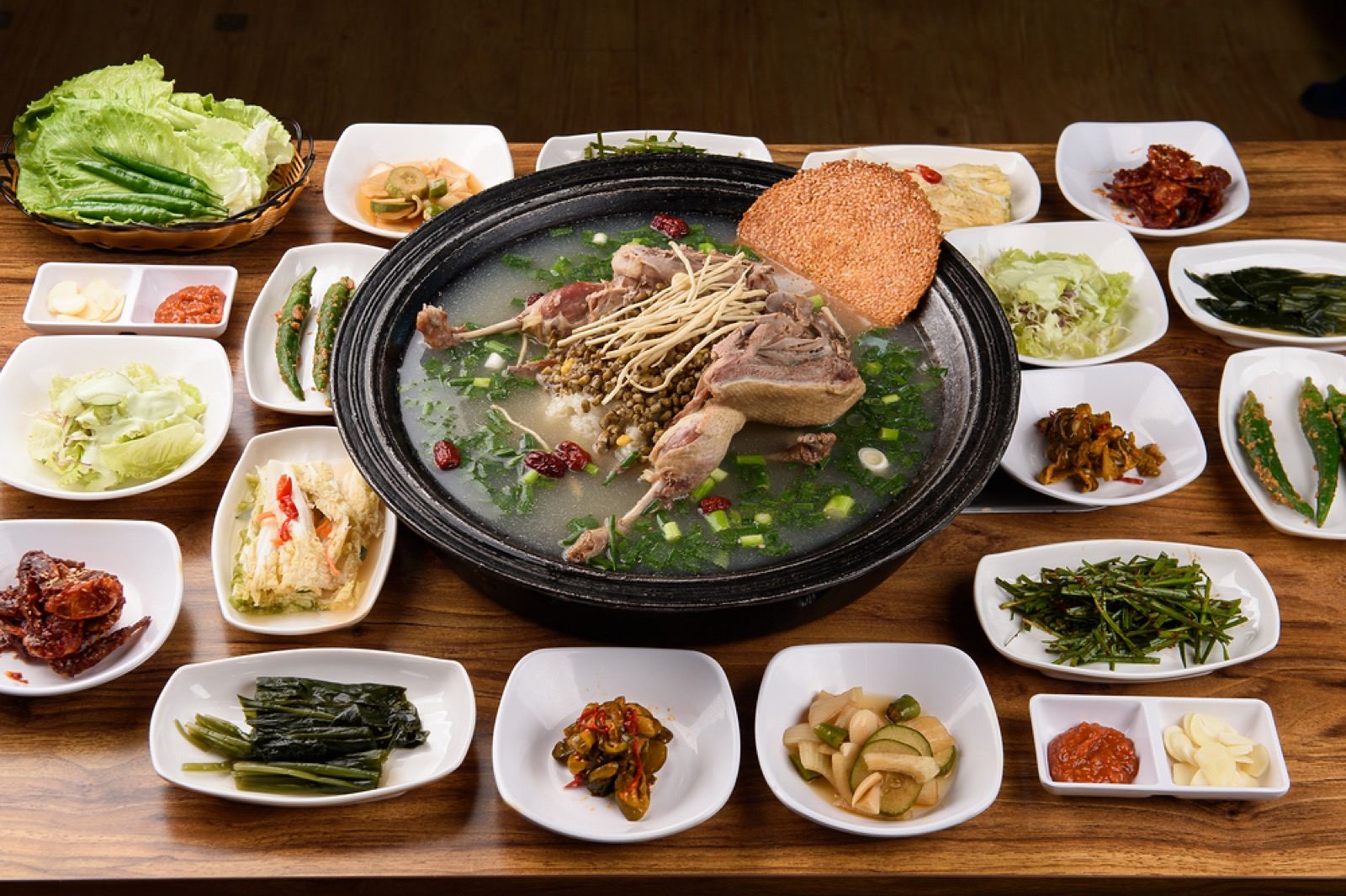
Gwangju has a reputation among Koreans as the country's best eating city, and it earns it — this is the home of oritang (duck soup), Gwangju-style tteokgalbi, and banchan spreads so generous they cover the whole table before your main even arrives. Foreign visitors mostly skip it, which is their loss. If you plan a trip in Jeolla around food, Gwangju is the anchor. Here's what to order.
Oritang: the dish Gwangju is known for
Oritang is a duck soup simmered with herbs and loaded with minari (water dropwort), milky and deeply savory, ladled from a bubbling clay pot at the table. Gwangju has a whole Oritang Street (오리탕 거리) near Yudong where restaurants have cooked it for generations. It's a warming, restorative, slightly herbal bowl — unlike anything in the usual Korean-food lineup, and the single most Gwangju thing you can eat.
Order it for two or more, let it come to a boil, and pile in the minari as it wilts. Finish with rice or noodles in the broth.
Tteokgalbi: Gwangju's grilled patty
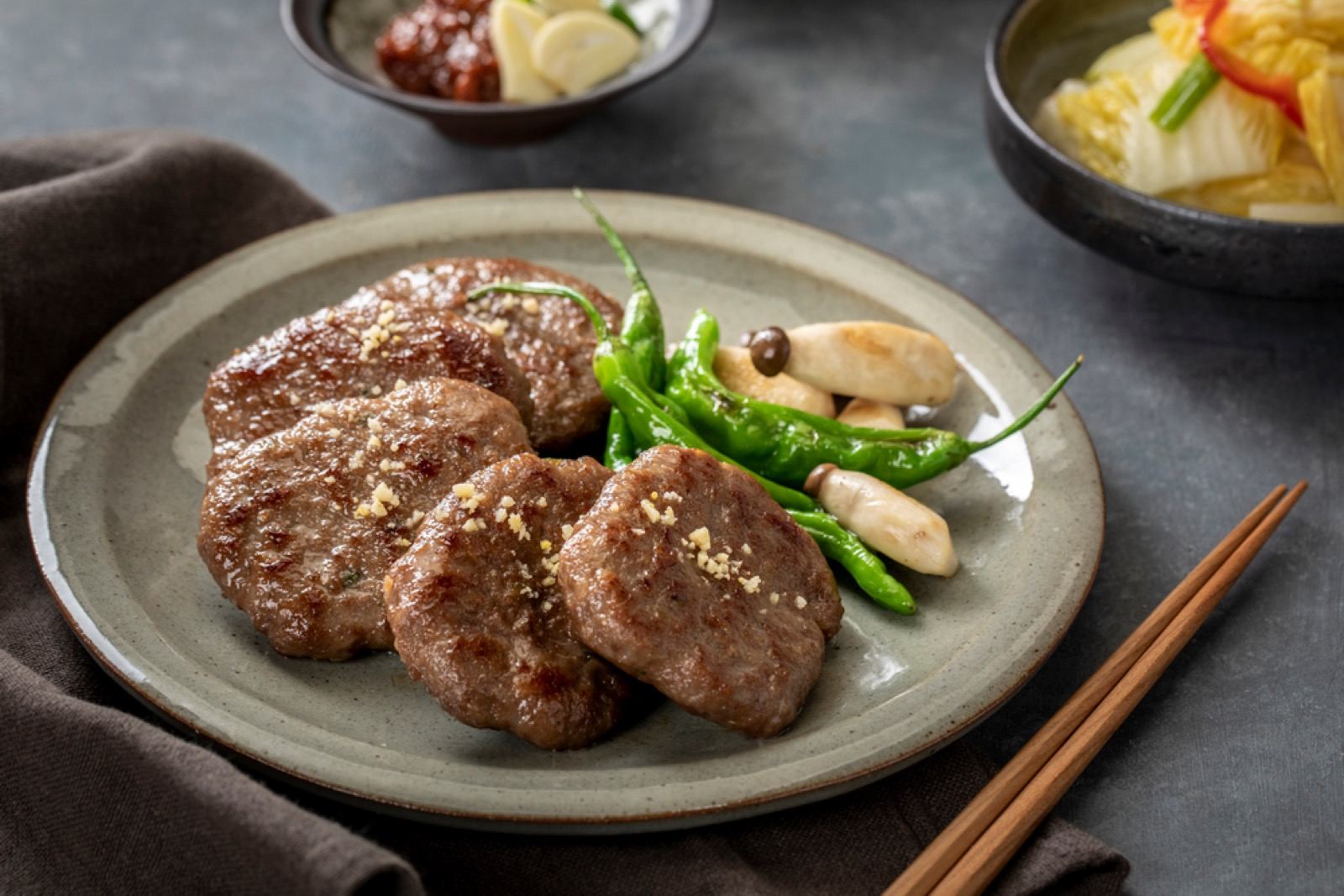
Tteokgalbi is minced, seasoned short-rib meat hand-shaped into patties and grilled — sweet-savory, tender, and a Gwangju–Damyang specialty. The Songjeong-dong tteokgalbi street near Gwangju-Songjeong Station is the classic place to eat it, often as a set with soup and a table of sides. It's a splurge next to everyday barbecue, and worth it.
The banchan is the real headline
Here's what surprises everyone: in Gwangju, order almost any main and a staggering spread of free side dishes appears — a dozen or more small plates of vegetables, fermented things, fish and namul, refilled without asking. Jeolla province is Korea's larder, and the region's cooking shows off in these spreads. A cheap lunch here out-eats an expensive one elsewhere.
- Baekban (백반) — a simple "rice-and-sides" set meal — is the best way to experience it; you pay for one modest dish and the table fills up.
- Don't over-order mains. The sides are the point.
The move in Gwangju is to order less than you think and let the banchan do the work. A single baekban set often feeds two once the side dishes land.
Markets and more
- Yangdong Market (양동시장) — Gwangju's big traditional market, great for street food, jeon (savory pancakes), and makgeolli.
- 1913 Songjeong Station Market — a restored retro market by the station, good for snacking before or after tteokgalbi.
- Sangchu-twigim and Chungjang-ro street food for a casual graze downtown.
Getting to Gwangju
- KTX/SRT from Seoul reaches Gwangju-Songjeong Station in about 1.5–2 hours as of 2026 — fast and easy, and the tteokgalbi street is right by the station.
- From there, the subway, buses and taxis reach Oritang Street and the markets.
- Gwangju pairs well with Damyang (bamboo forest) and the wider Jeolla food-and-nature loop.
How to do it
- Take the KTX to Gwangju-Songjeong and eat tteokgalbi right by the station.
- Go to Oritang Street for a pot of duck soup (order for two-plus).
- Have one baekban set somewhere to experience the full banchan spread.
- Graze Yangdong Market for jeon and makgeolli.
- Come hungry and pace yourself — portions and side dishes are generous.
Sorting your KTX and any onward Jeolla connections in advance makes a Gwangju food trip effortless.
Sort trains & passes for your Korea trip
Skip the assumption that food travel means Busan or Jeonju. Gwangju quietly out-feeds them both, and the table full of free banchan alone is worth the trip.