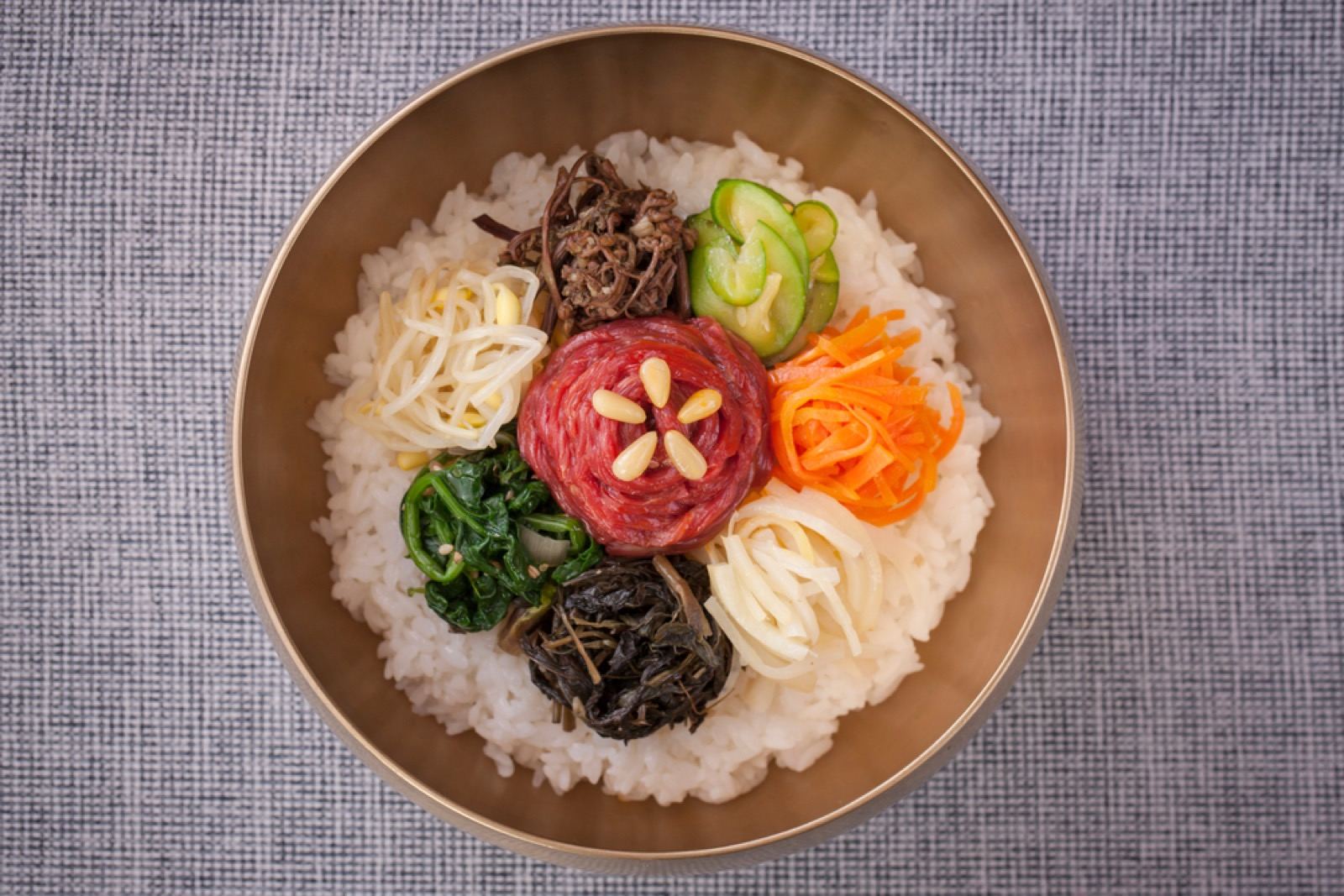
Jinju bibimbap is a distinct regional version of Korea's famous mixed-rice bowl — served in a brass bowl, topped with seasoned raw beef (yukhoe) instead of cooked meat, arranged in five careful colors, and eaten with a side of clear beef broth. It's not the Jeonju bowl most travelers know, and locals in this quiet Gyeongnam city will happily argue theirs is the real thing. If you're building a trip around Korean food, Jinju is worth the detour. Here's what you're eating and why.
What makes Jinju bibimbap different
Three things set it apart from the Jeonju or dolsot (hot stone bowl) versions:
- A brass bowl (nottgeureut), not a stone pot. It's served at room temperature, not sizzling.
- Raw beef (yukhoe) piled in the center, dressed with sesame oil, instead of cooked bulgogi-style beef.
- Five-color namul (seasoned vegetables) laid out deliberately — a presentation tradition tied to the city's old court and military history.
It comes with seonjiguk or a clear beef-bone broth on the side to sip between bites. Mix it all together, broth optional, and eat.
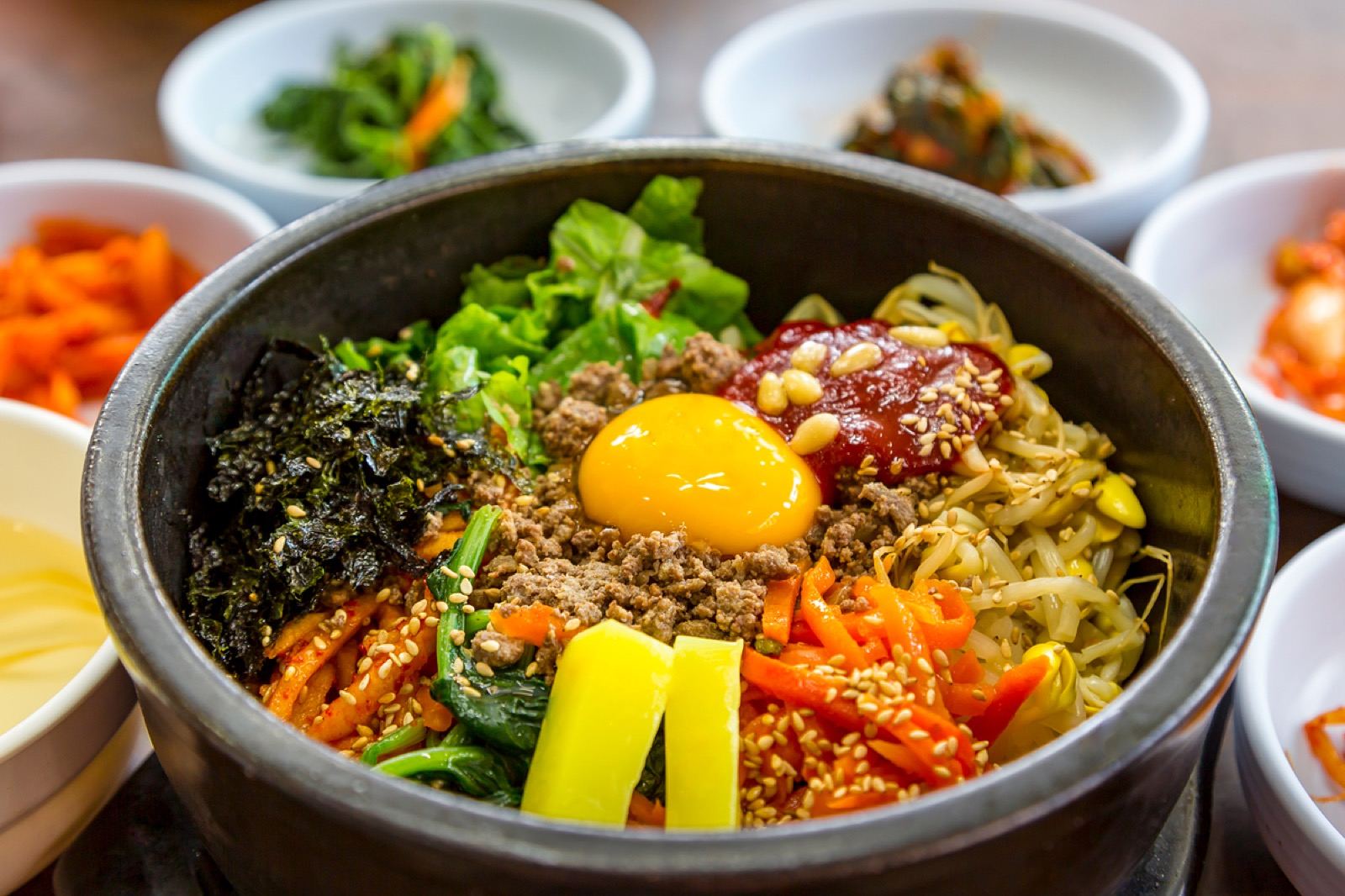
Where to eat it
Jinju's bibimbap houses cluster near the Jungang Market and around Jinju Fortress (Jinjuseong). Many are decades-old spots that do this one thing well. A bowl runs around 10,000–13,000 won as of 2026. Go at lunch, when it's freshest and busiest with locals.
If raw beef isn't your thing, most places will do a cooked-beef version on request — but the yukhoe is the point, and it's milder and cleaner-tasting than first-timers expect.
Beyond the bowl: the lantern festival
Time your visit for October and you catch the Jinju Namgang Yudeung (Lantern) Festival, one of Korea's great autumn events. Thousands of lit lanterns float on the Nam River below the floodlit fortress walls, with fireworks on the big nights. It's genuinely spectacular, and it pairs perfectly with a bibimbap dinner.
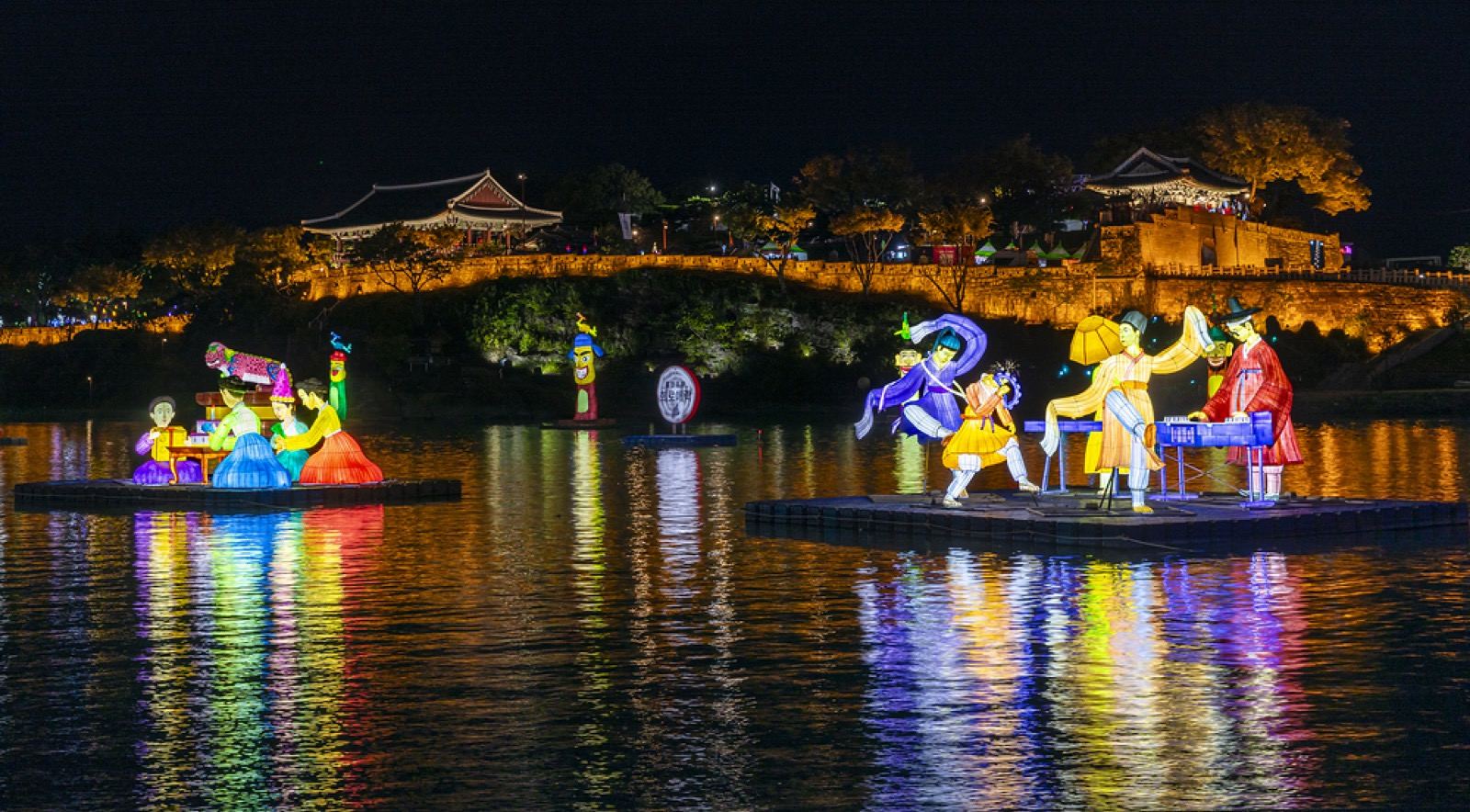
Outside festival season, Jinju Fortress itself is a fine walk: riverside walls, a museum, and the pavilion tied to the famous story of Non-gae, tangible local history for the price of a stroll.
When to go
- October: the lantern festival; book beds early, it's the city's peak.
- Spring/autumn otherwise: mild and quiet for the fortress walk.
- Any time for the food — it's a year-round reason to come.
Getting to Jinju
- KTX/SRT reaches Jinju Station from Seoul in roughly 3.5 hours as of 2026; it's quicker from Busan (about 1–1.5 hours by train or bus).
- Jinju also links easily to the southern coast (Tongyeong, Namhae) for a wider Gyeongnam loop.
- The food street and fortress are a short taxi or bus ride from the station.
How to do it
- Take the train to Jinju and head for the Jungang Market / fortress area at lunch.
- Order a brass-bowl bibimbap with yukhoe and sip the side broth.
- Walk Jinju Fortress above the Nam River.
- Come in October if you can, for the lantern festival after dark.
- Pair with Tongyeong or Namhae for a south-Gyeongnam trip.
Sorting your rail tickets ahead keeps a Jinju detour simple, especially around the October festival.
Sort trains & passes for your Korea trip
Go for the bowl you can't get anywhere else, and stay for the lanterns if the timing lines up. Jinju quietly makes one of the best food-and-history cases in Gyeongnam.