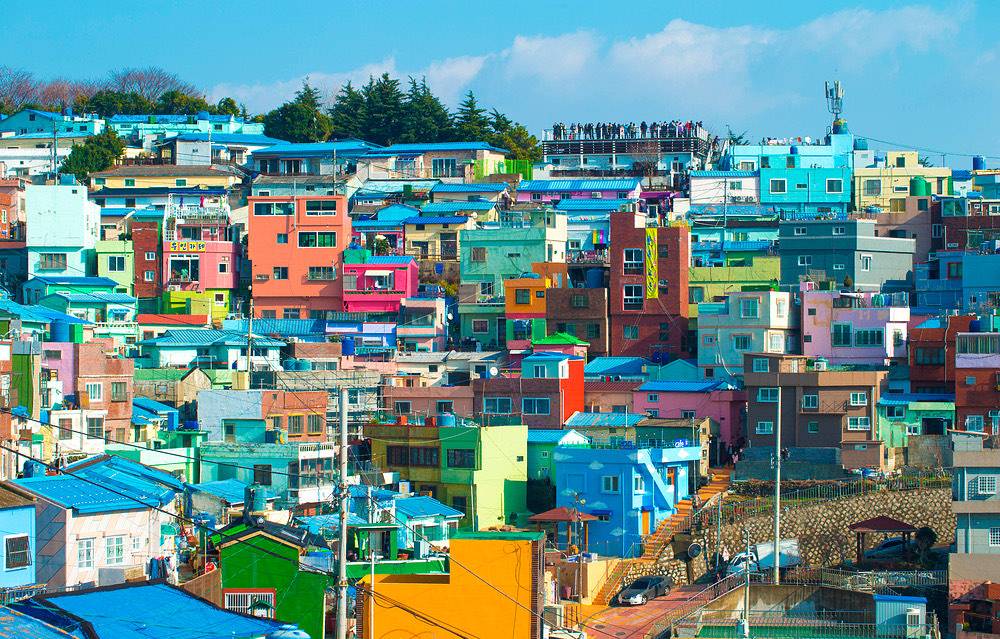
To eat like a local in Korea, skip the mall food courts and go to a traditional market (sijang). Every region has one, and outside Seoul they run cheaper, scruffier, and more fun than anything in the capital. This is where a grandmother ladles out soup she's been making for forty years, where the best stall has no English sign, and where a few thousand won still buys a real meal.
A market is also the fastest way to read a place. What a region grows, catches and cooks sits right in front of you: mountain herbs and wild greens inland, mounds of shellfish and racks of drying fish on the coast, and specialties that never make it onto a hotel menu.
Why markets beat restaurants (sometimes)
- Cheap and generous. Portions are big and prices small, so you can graze across a dozen stalls for what one sit-down meal costs.
- Hyper-local. Each market reflects its region. You're tasting the place, not a chain.
- Atmosphere. Steam, shouting vendors, plastic stools, no pretension. Half the fun is just standing in it.
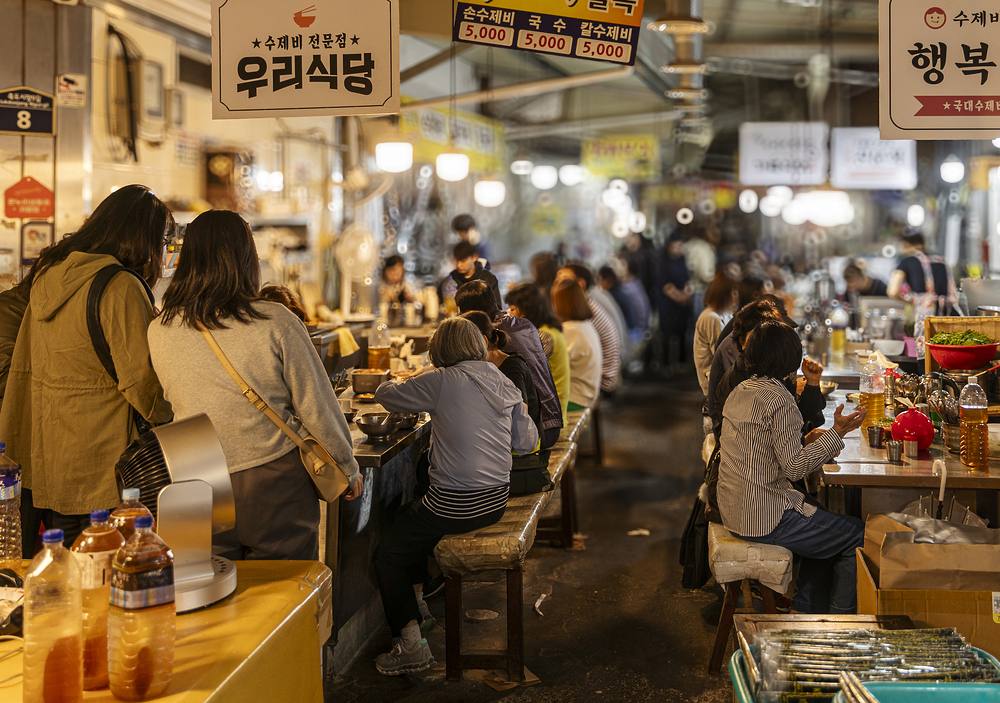
Markets worth a detour
- Jagalchi Market, Busan — Korea's largest seafood market. Buy your catch at the downstairs stalls and carry it up to a restaurant to be prepared hoe (raw) or grilled.
- Gukje & Bupyeong (Kkangtong) Markets, Busan — old-downtown warrens near Nampo. Bupyeong's night food street is packed with rows of stalls and is a Busan institution.
- Nambu Market, Jeonju — in Korea's official City of Gastronomy. Come for bibimbap, and on weekends the Youth Mall night market upstairs.
- Seomun Market, Daegu — huge and historic, with one of the country's best-loved night markets after dark.
- Jungang Market, Gangneung — an east-coast favorite for viral street snacks and seafood straight off the boats.
Opening days, night-market schedules and individual stalls all change, so check locally (or ask your accommodation) before you cross town for one dish.
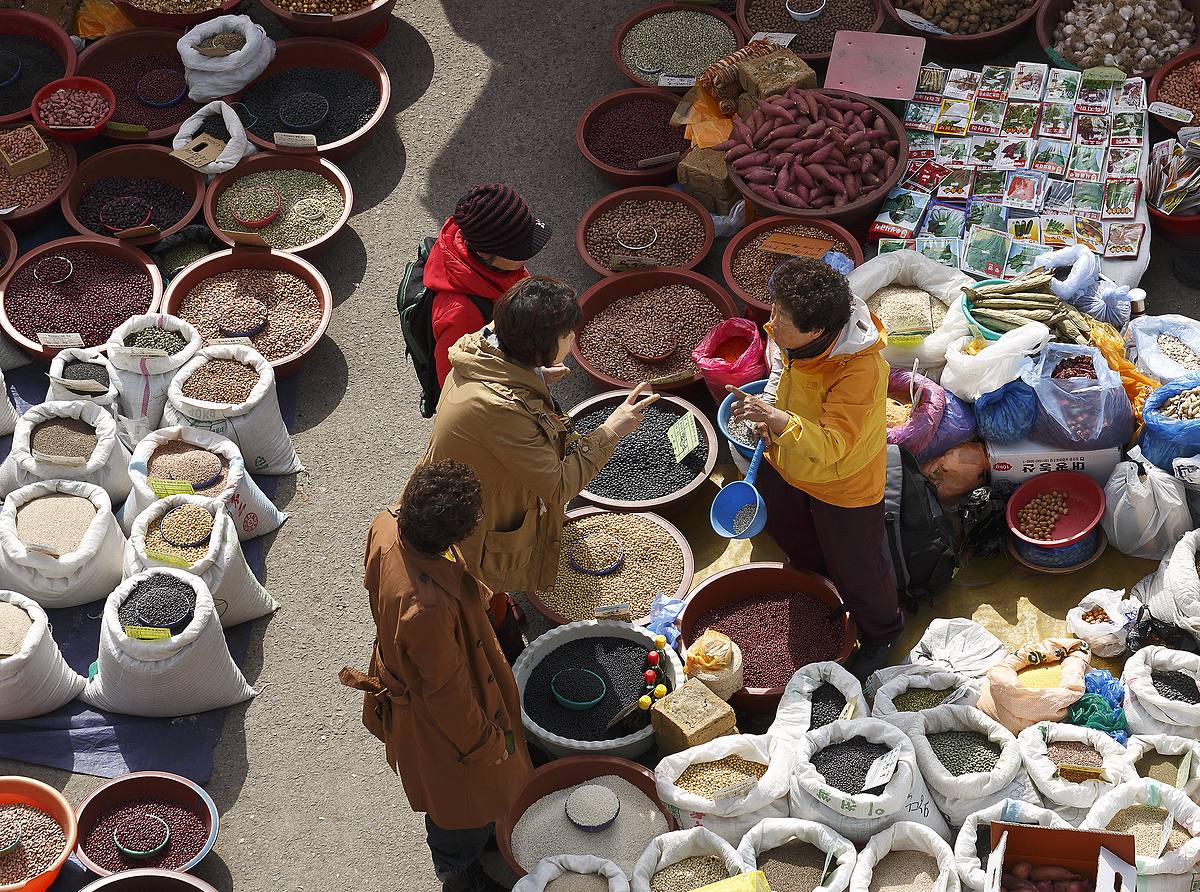
What to eat
- Hotteok — sweet fried pancakes. Busan's seed-and-nut-stuffed version (ssiat hotteok) is the one to seek out.
- Eomuk / odeng — fish cakes on skewers, best hot on a cold day with a cup of the broth.
- Kalguksu & sujebi — handmade knife-cut noodle and torn-dough soups. Pure comfort food.
- Mandu — steamed or fried dumplings, usually folded right in front of you.
- Bindaetteok — crispy mung-bean pancakes, sizzled to order.
- Gimbap & tteokbokki — the classic cheap-and-filling market duo.
- And whatever has the longest line of locals. When in doubt, join it.
How to do a market food crawl
- Go hungry, and go with someone. Portions are big, so sharing lets you try far more.
- Carry cash in small notes. Many stalls don't take foreign cards, and small won is easiest.
- Time it right. Mornings for fresh produce and seafood, evenings for the street-food night markets.
- Point and smile. You don't need Korean. Watch what locals order and copy them.
- Mind the etiquette. Eat near the stall you bought from, don't haggle over already-cheap food, and hand cash over with a small nod.
Pair a market with the neighborhood around it. In Busan, Jagalchi flows straight into Nampo and BIFF Square; in Jeonju, Nambu Market sits right beside the Hanok Village. Either way, a food crawl doubles as a walking tour.
When to go
Most markets are liveliest in the morning for produce and seafood and in the evening for street food, and many run a dedicated night market on set days. Cold months are prime time for hot, brothy snacks; summer brings cold noodles and shaved ice. Rainy days are fine, since most of the eating happens under cover.
Short on time, or want the stories behind the food? A guided city or food-focused day tour will walk you through the best stalls and order the good stuff for you.