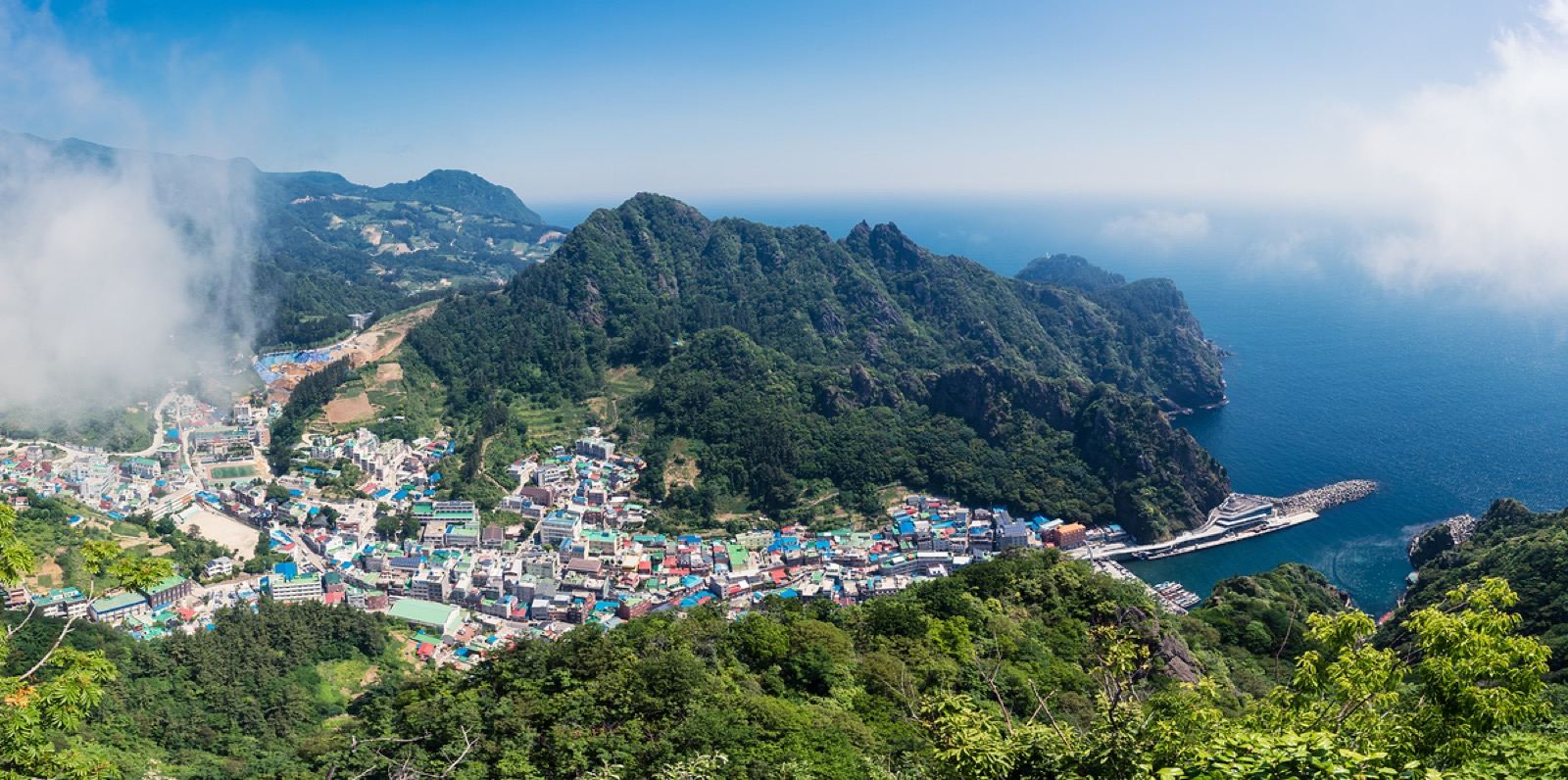
Ulleungdo is a volcanic island far out in the East Sea, a few hours by ferry from the mainland, where steep green peaks drop straight into deep blue water, squid dries on every rail, and the disputed islets of Dokdo are a day trip away. It's dramatic, remote, and visited almost entirely by Koreans — one of the country's most striking and least-touristed-by-foreigners places. Getting there takes commitment, but it pays off. Here's how to do it.
What Ulleungdo is like
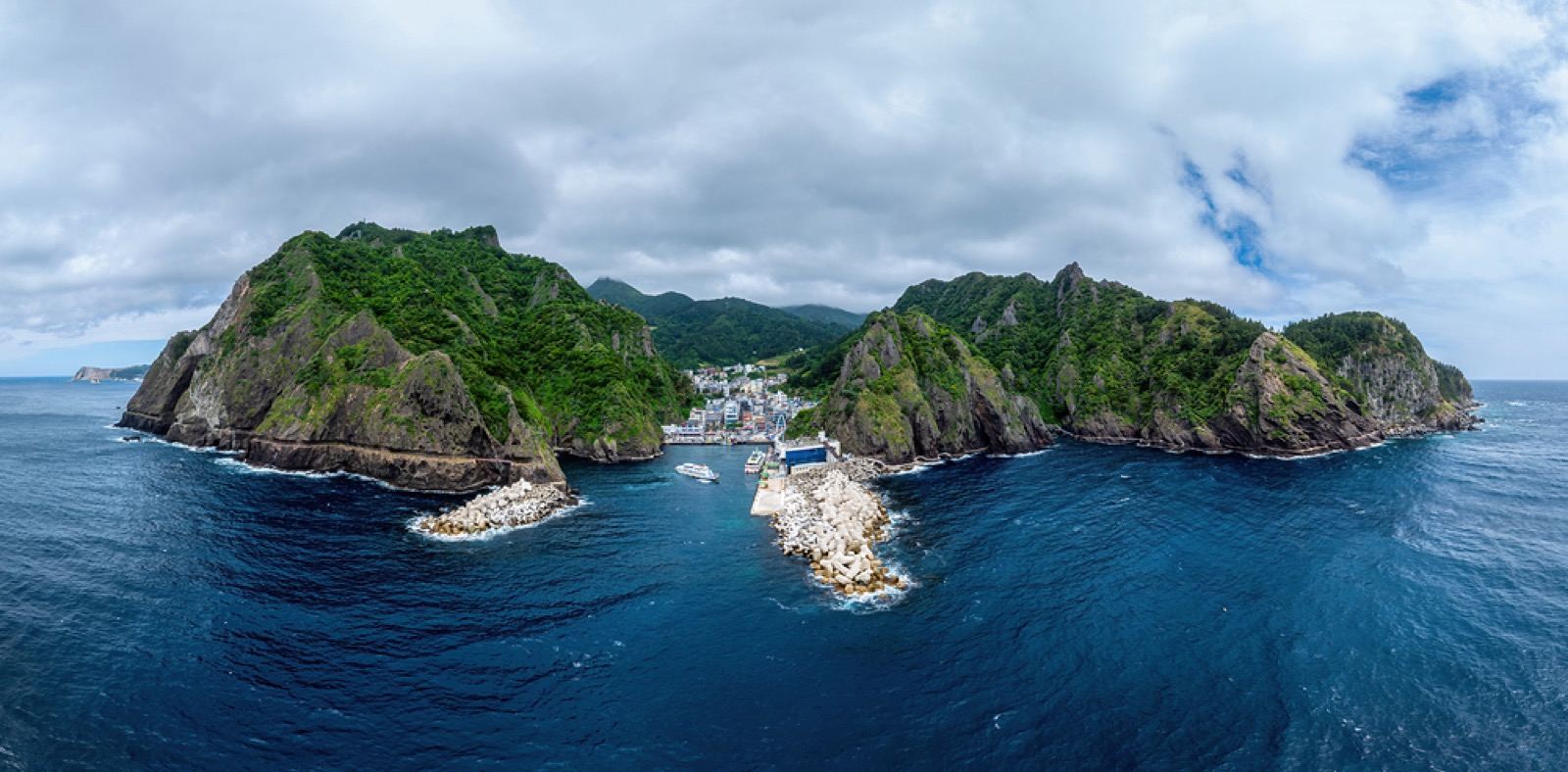
Think near-vertical: there's barely a flat patch on the island, so the single coastal road hugs cliffs, tunnels through headlands, and opens onto sea-stack views at every bend. Villages cling to the few coves. The water is extraordinarily clear and blue, and the whole island has an end-of-the-world feel.
What to see and do
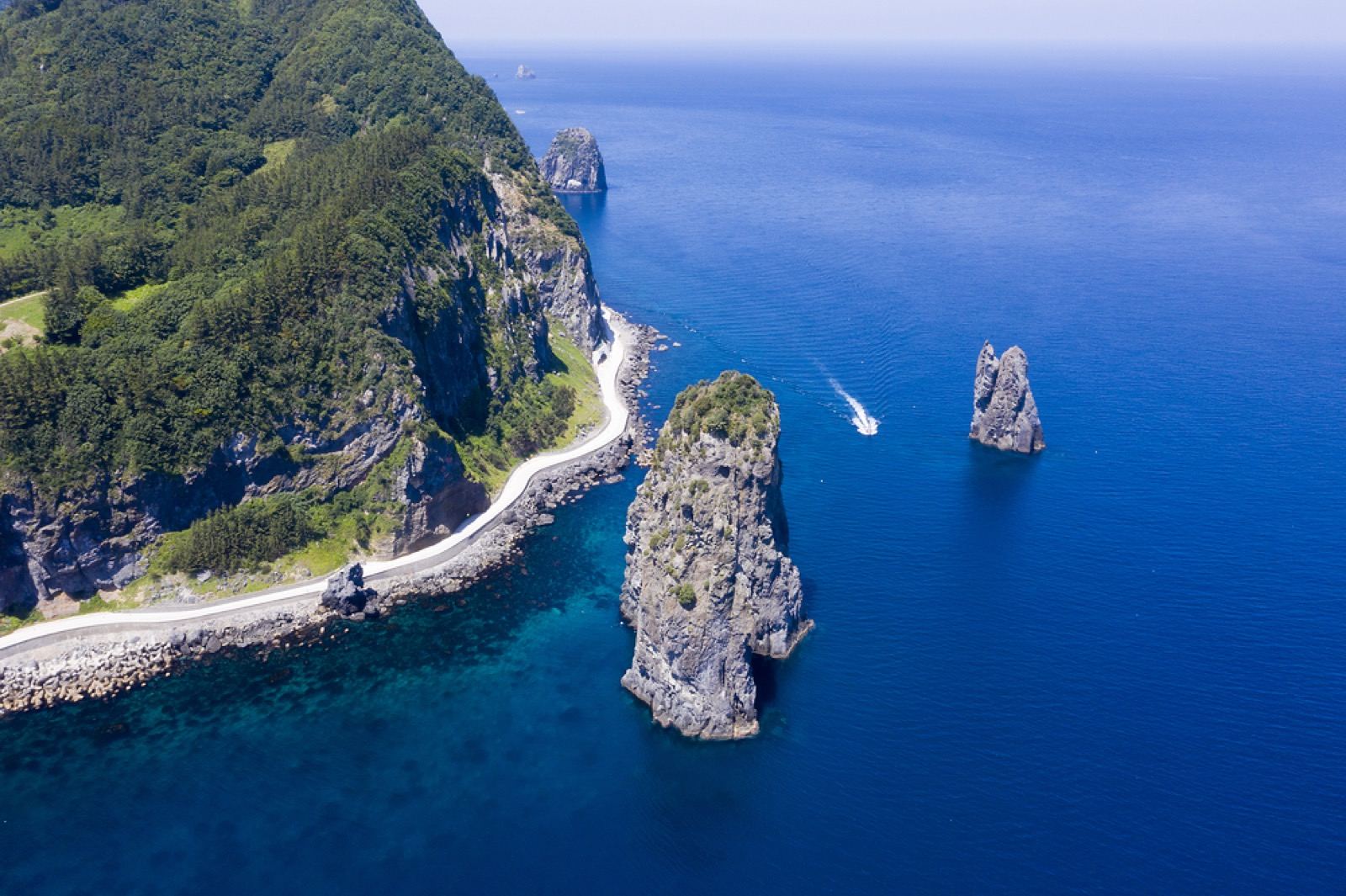
- The coastal road and Haengnam coastal walk — the drives and cliff walks are the main event; the sea-stack rock formations (Samseonam, Gwaneumdo) are highlights.
- Seonginbong — the island's forested summit, a real hike for the fit, with endemic plants.
- Nari Basin — the island's only flat area, a caldera with traditional thatch-and-shingle houses.
- Dokdo Observatory (cable car) — on a clear day, you can glimpse the famous islets from the viewpoint above Dodong.
Dokdo: the day trip
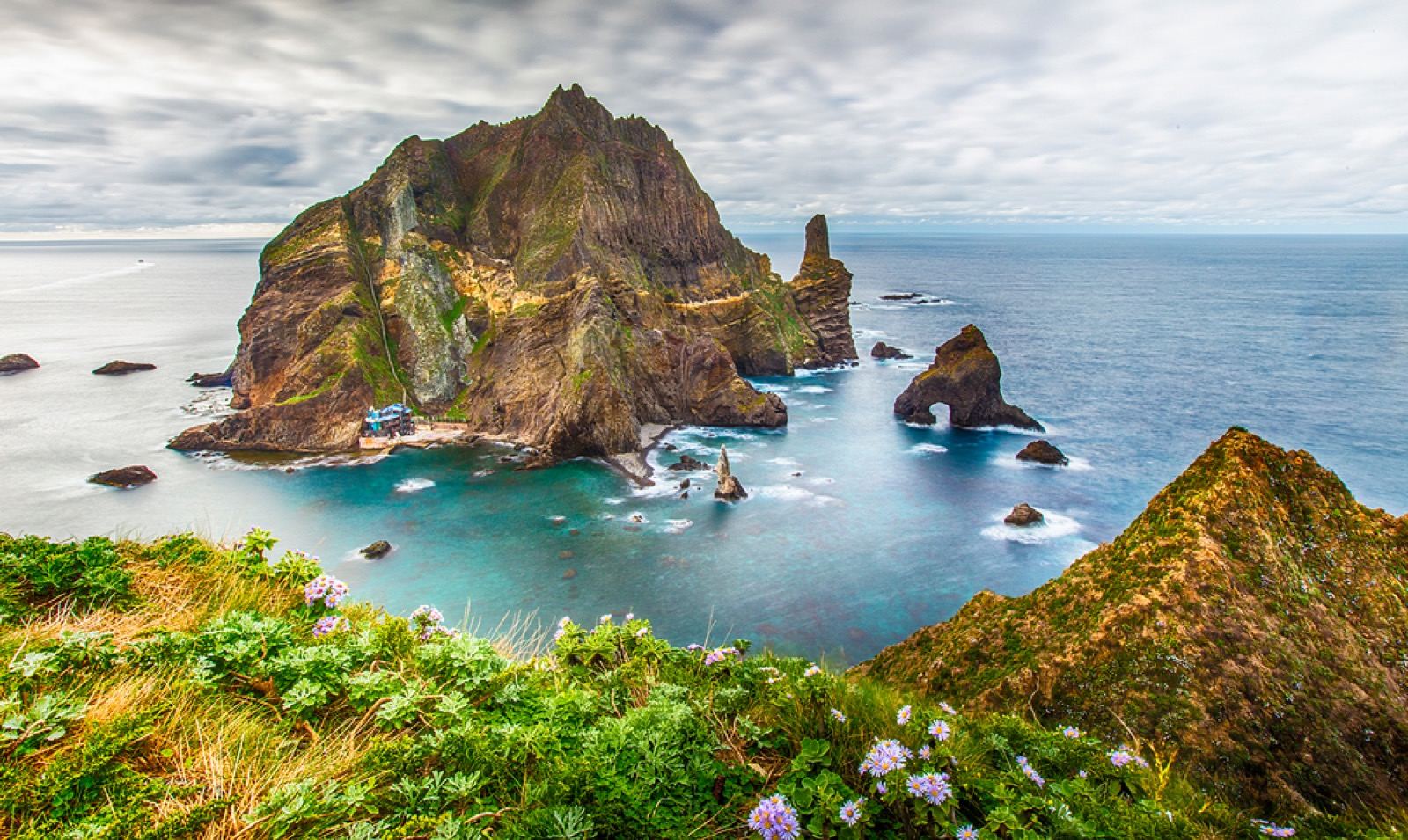
From Ulleungdo you can take a ferry to Dokdo, the small, fiercely symbolic islets even further east. Boats run in good weather and typically allow a short time ashore or circling the rocks (landing depends on sea conditions and can be cancelled). For Koreans it's a patriotic pilgrimage; for visitors it's a dramatic, only-from-here excursion.
What to eat
Squid is king — you'll see ojingeo (squid) drying everywhere. Also look for hobak-yeot (pumpkin taffy), myeongi-namul (a wild garlic-chive), and fresh seafood straight off the boats. The island grows its own distinctive produce thanks to the volcanic soil.
Build in buffer days. Ferries to Ulleungdo — and especially onward to Dokdo — are routinely delayed or cancelled by weather. Don't schedule a tight return; plan an extra night in case the sea has other ideas.
When to go
- Late spring to autumn is the sweet spot for calm seas and ferries.
- Summer is busiest; autumn is clear and quieter.
- Winter seas are rough and sailings unreliable.
Getting to Ulleungdo
- Ferries run from mainland ports — mainly Pohang, Mukho (Donghae), and Hupo — taking roughly 2.5–3.5 hours depending on the boat and port, as of 2026.
- Book ahead in peak season, bring motion-sickness tablets, and always check the weather and sailing status the day before.
- On the island, a round-island bus, taxis and tours cover the sights; the terrain makes self-driving tricky.
How to do it
- Get to a ferry port (Pohang is the common one) and book the ferry ahead.
- Allow buffer days for weather.
- Ride the coastal road and walk the cliff paths.
- Take the Dokdo ferry if the sea cooperates.
- Eat squid, and try the island's volcanic-soil specialties.
Since it's a long haul plus a ferry, sorting your mainland transport and sailing in advance is essential.
Find island & nature experiences across Korea
Go for the drama and the remoteness. Ulleungdo asks more of you than most Korean trips, and gives back some of the most spectacular scenery in the country.