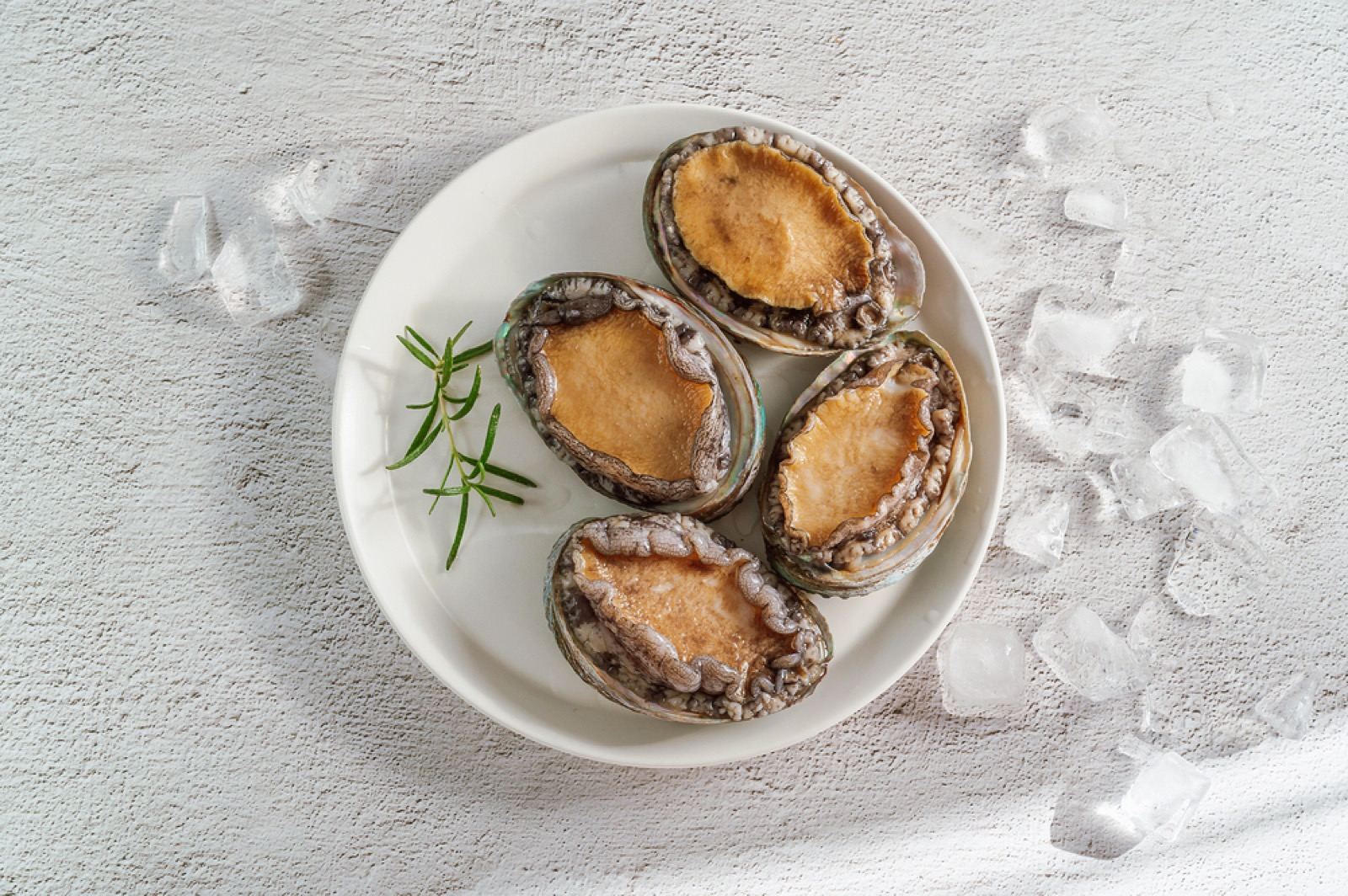
Wando, an island county off Korea's southwest coast, produces the vast majority of the country's abalone — and it's the place to eat it fresh off the farms, cheaper and better than anywhere inland. This is a food-and-sea trip more than a sightseeing one: clear water, aquaculture rafts to the horizon, and jeonbok (abalone) served raw, grilled, in porridge and in soup. If you love seafood, Wando earns the long trip south. Here's how to do it.
Why Wando for abalone
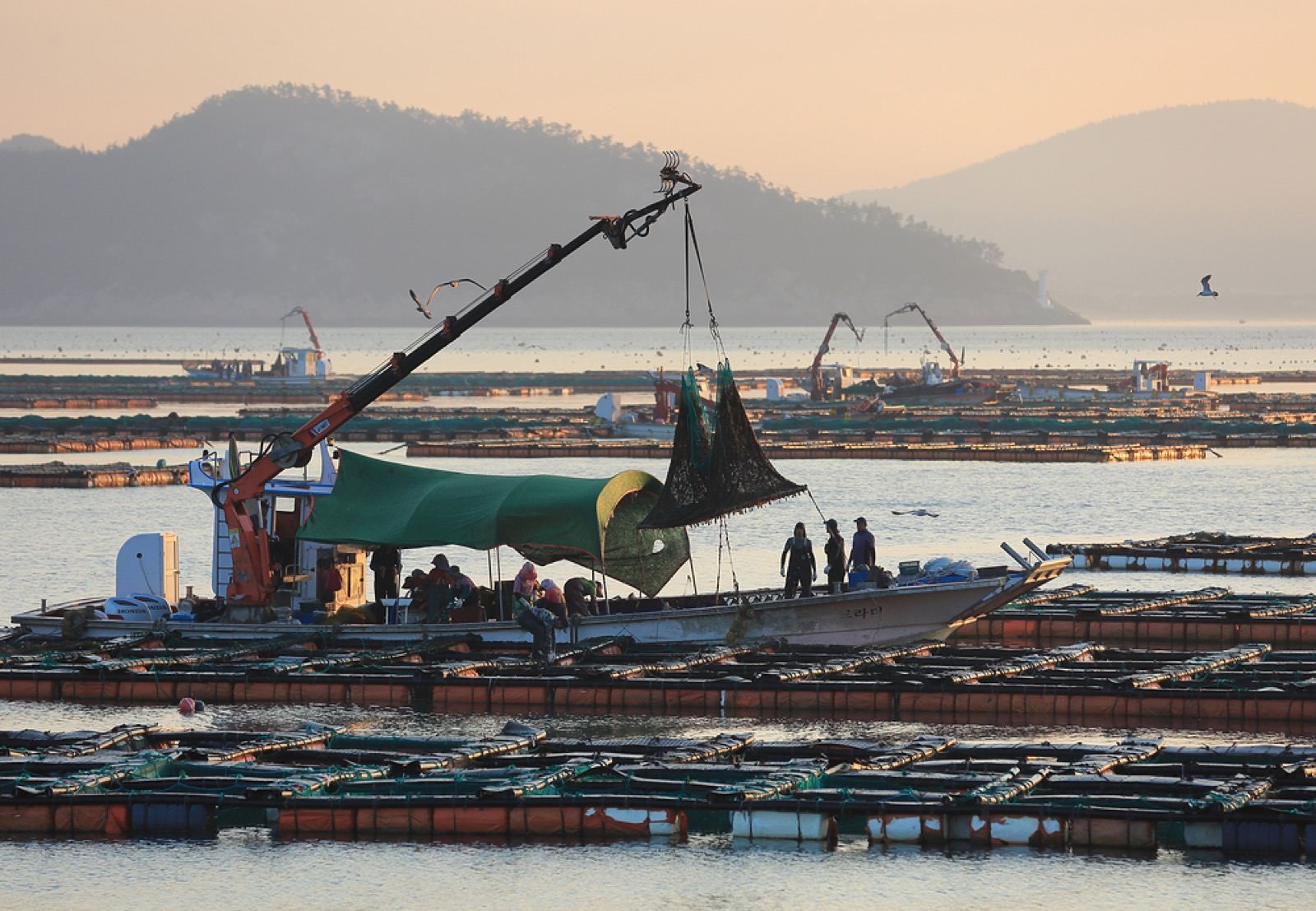
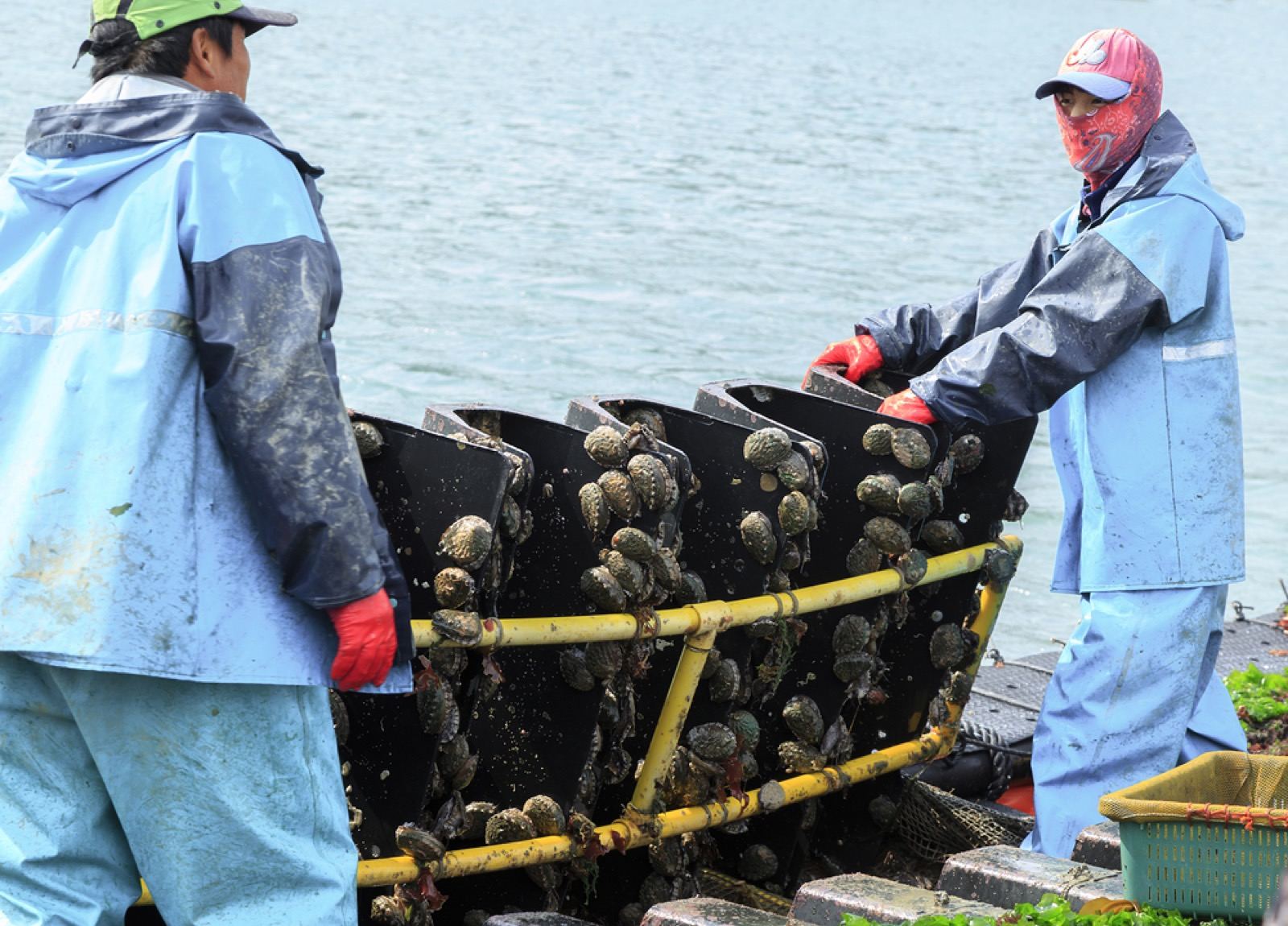
The sheltered, clean waters between Wando's islands are ideal for abalone farming, and the county supplies most of Korea's jeonbok. That means two things for a visitor: it's fresher (hours from sea to plate) and cheaper (you're at the source). You'll see the farm rafts everywhere, stretching across the bays.
How to eat it
Order it more than one way:
- Jeonbok-hoe — thin raw slices, sweet and crisp, the purest way to taste it.
- Jeonbok-juk — abalone rice porridge, silky and green-tinged, the comfort classic.
- Grilled abalone (gui) — brushed with butter or sesame oil over coals.
- Jeonbok-ramyeon or soup — the budget crowd-pleaser, a whole abalone in your noodles.
Eat at the Wando port market and harborside restaurants, where it comes straight from the tanks. Prices are far gentler than Seoul; a porridge or a plate of hoe is a steal for what you'd pay in the city.
Skip the pre-packed "abalone gift sets" at the terminal unless you're taking some home. For eating that day, the market stalls and harbor restaurants are fresher and cheaper.
Pair it with Cheongsando
If you've come this far, hop the ferry from Wando to Cheongsando, Asia's first certified "Slow City," for terraced rice fields, stone walls and quiet coastal walks — an easy half-day add-on and a lovely counterpoint to a seafood lunch. (We've got a separate Cheongsando guide.)
When to go
Abalone is farmed year-round, but locals say late autumn through early spring (roughly Oct–Mar) is when the cooler water makes the texture and flavor peak. Summer is busier and warmer. Shoulder seasons are the sweet spot.
Getting to Wando
- Wando is far south: from Seoul, take a KTX toward Mokpo or Gwangju-Songjeong, then a bus to Wando, or an intercity bus the whole way — budget most of a day each way, as of 2026.
- It's more natural as part of a southwest Jeolla loop (Mokpo, Gangjin, Haenam) than a single dash from Seoul.
- Local buses and taxis connect the port, market and ferry terminal.
How to do it
- Route through Mokpo or Gwangju and bus into Wando (plan a full travel day).
- Eat at the port market — hoe, porridge, grilled, soup; order more than one.
- Ferry to Cheongsando for a half-day if you have time.
- Come in the cooler months for peak texture.
- Build it into a Jeolla coast trip rather than a Seoul day trip.
Getting your rail-and-bus connections sorted in advance makes the long haul south manageable.
Sort trains & passes for your Korea trip
Come hungry and come to the source. Wando's abalone, eaten fresh at the harbor for a fraction of city prices, is one of the best seafood days in Korea.