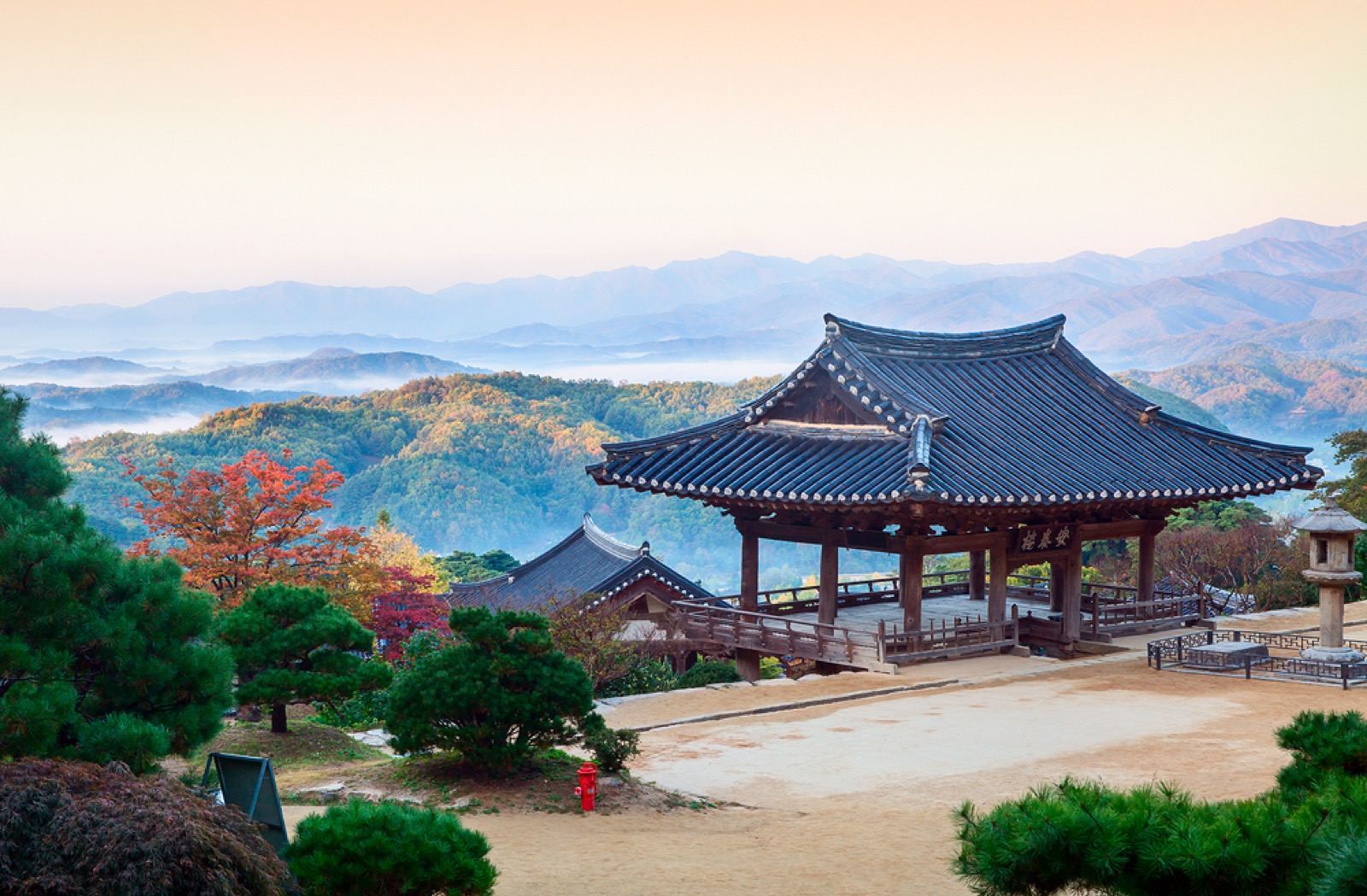
Buseoksa, a mountain temple in Yeongju (northern Gyeongbuk), holds Muryangsujeon — Korea's oldest surviving wooden building — and one of the most beautiful mountain-temple views in the country, and it draws almost none of the crowds that pack Bulguksa. Pair it with Sosu Seowon, the nation's first Confucian academy just down the road, and Yeongju makes a quiet, deeply historic day trip. Here's how to do it.
Buseoksa: 1,300 years, and still standing
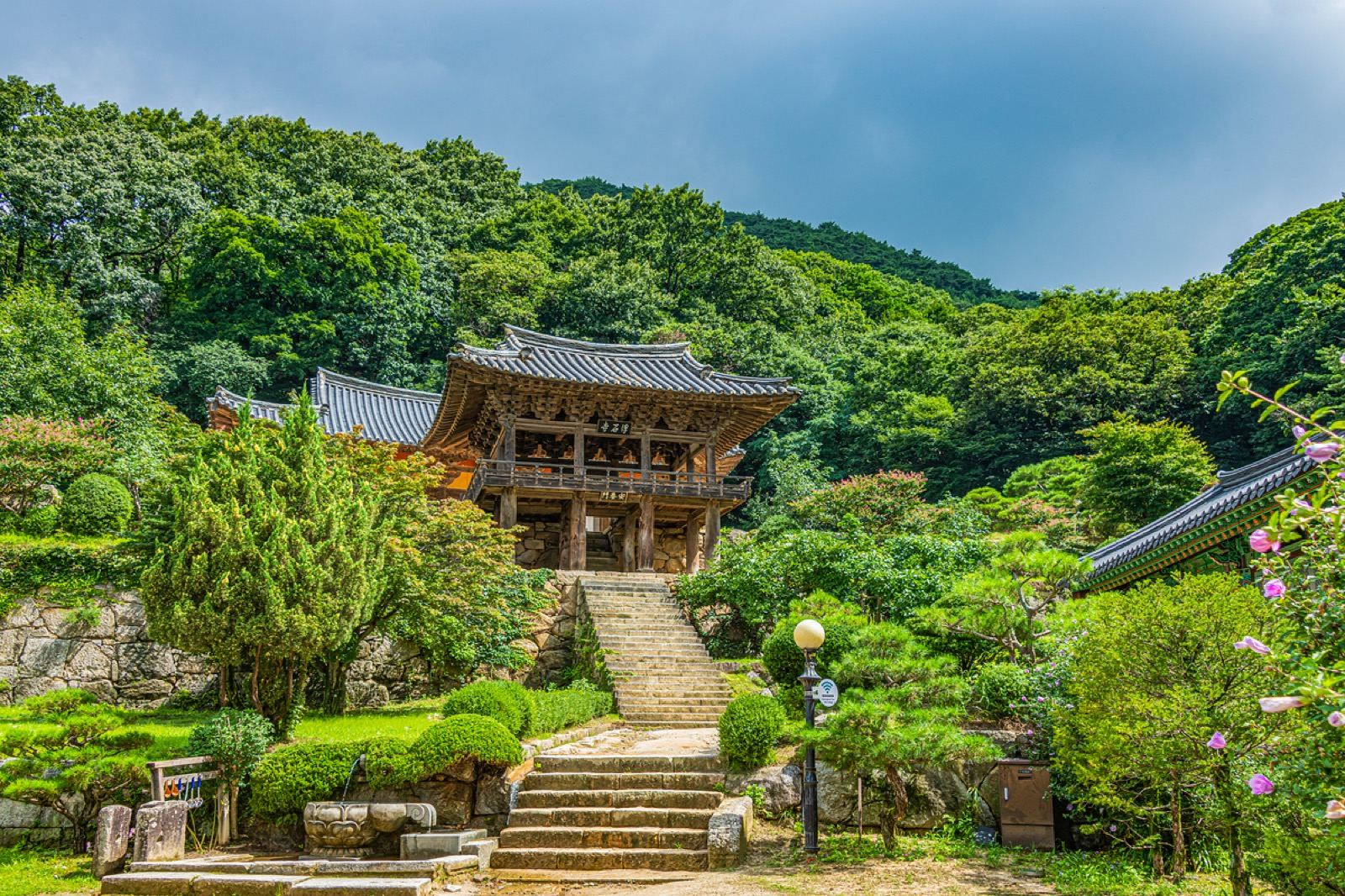
Founded in 676, Buseoksa climbs a hillside in a series of stone-walled terraces, and its crowning hall, Muryangsujeon, dates to the 1300s — the oldest wooden building in Korea and a national treasure, famous among architecture lovers for its subtle "entasis" columns that bulge slightly for visual balance.
- The climb up through the terraced gates is part of the experience.
- From the Anyangnu pavilion and the hall above it, the view of layered mountain ridges fading into mist is the temple's signature, especially at sunset.
- Inside Muryangsujeon sits a rare clay seated Buddha, also a national treasure.
Sosu Seowon: where Korean Confucian schooling began
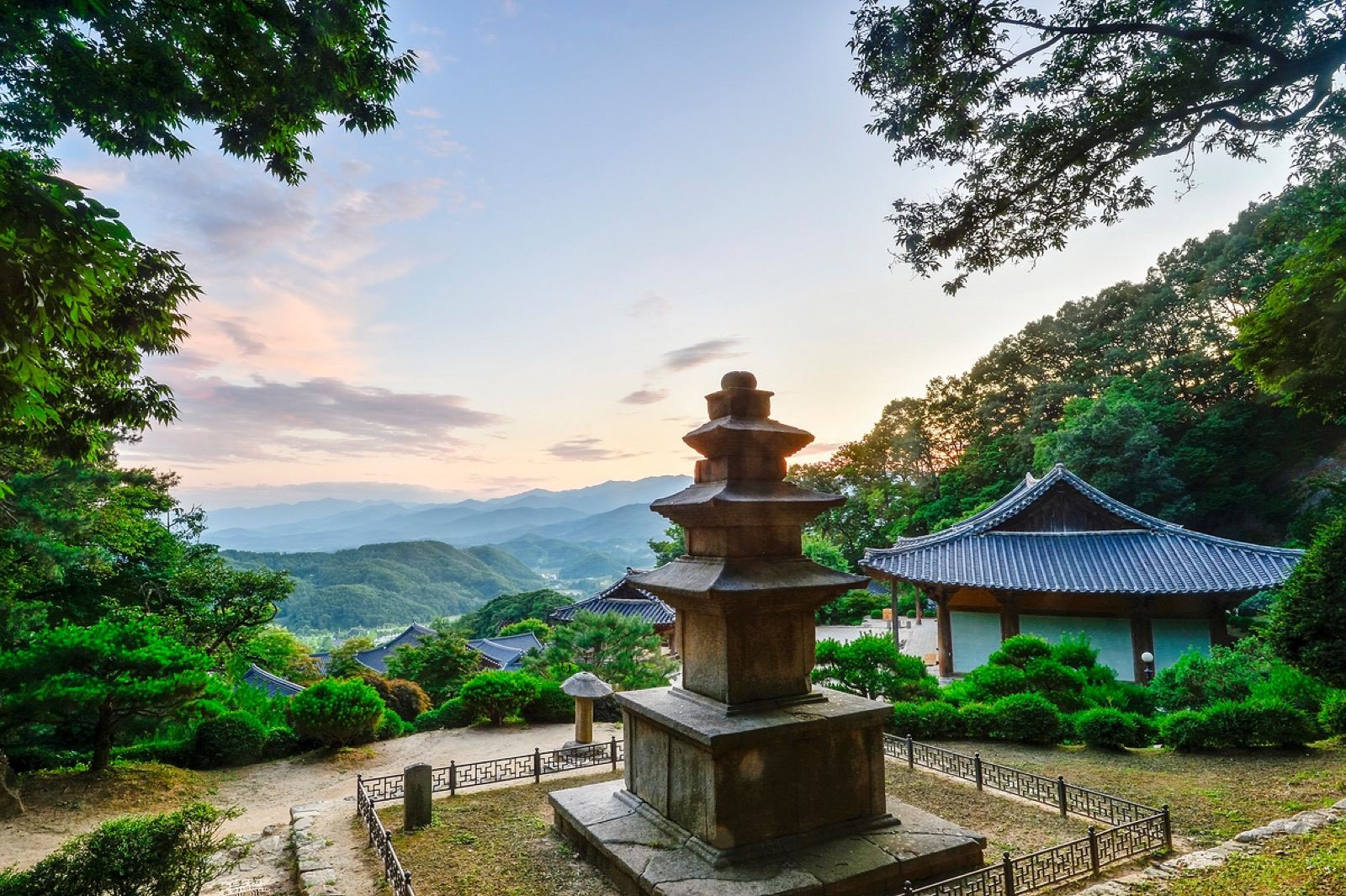
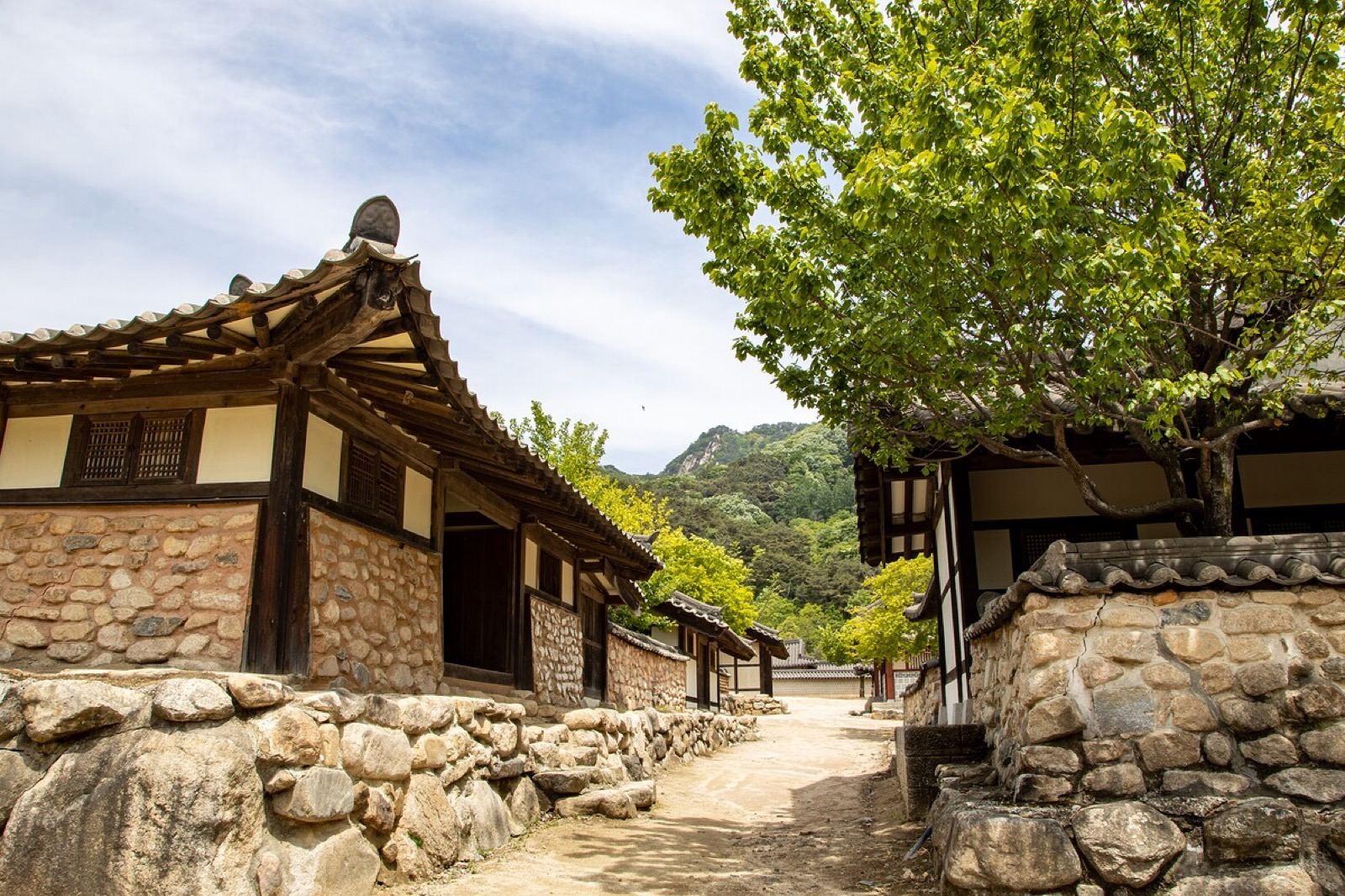
A short drive away, Sosu Seowon was Korea's first chartered Confucian academy (1543) and is now a UNESCO World Heritage site. It's a calm complex of old lecture halls and shrines in a pine grove by a stream — a quiet window into the scholarly culture that shaped the country. The adjacent Seonbichon is a reconstructed scholars' village you can walk through.
What else is around
- Buseok apples and ginseng — Yeongju is apple country too; autumn roadside stands are everywhere.
- Huibangsa and Sobaeksan — for hikers, Sobaeksan National Park rises nearby, spectacular for royal-azalea season and autumn color.
- Museom Village — a scenic river-loop hanok village with a famous S-shaped footbridge.
Time Buseoksa for late afternoon. The mountain-ridge view from Anyangnu at sunset is the whole point, and the crowds (such as they are) thin out as the light softens.
When to go
- Autumn (Oct–Nov): foliage on Sobaeksan, apples in, best light at the temple.
- Late spring: azaleas on Sobaeksan.
- Any clear day for the temple view; aim for late afternoon.
Getting to Yeongju
- Train: a KTX-Eum or Mugunghwa reaches Yeongju from Seoul (Cheongnyangni) in roughly 2–2.5 hours as of 2026.
- From Yeongju town, Buseoksa and Sosu Seowon are a bus or taxi ride out; a rental car makes linking them much easier.
- It pairs with Danyang or Andong for a wider northern-inland loop.
How to do it
- Train to Yeongju, then bus/taxi or drive to the sights.
- Visit Sosu Seowon and Seonbichon earlier in the day.
- Save Buseoksa for late afternoon and the sunset view from Anyangnu.
- Add Sobaeksan or Museom Village if you've got time.
- Grab Yeongju apples on the way out in autumn.
Sorting your rail tickets ahead keeps a Yeongju day smooth, especially in peak foliage season.
Sort trains & passes for your Korea trip
Go for the oldest wooden hall in the country and a sunset view most travelers never see. Yeongju trades crowds for genuine, quiet depth.