The DMZ — the Demilitarized Zone dividing North and South Korea — sits about an hour north of Seoul in Paju, and it's one of the most sobering, memorable day trips in the country. You can see observation posts looking into the North, an infiltration tunnel, and the border infrastructure up close, but access is controlled, so the key thing to know up front is this: for the restricted areas you generally must go with an organized tour, not on your own. Here's what's actually worth seeing and how to plan it.
What you can see
The DMZ isn't a single site; it's a string of them in the Paju border area:
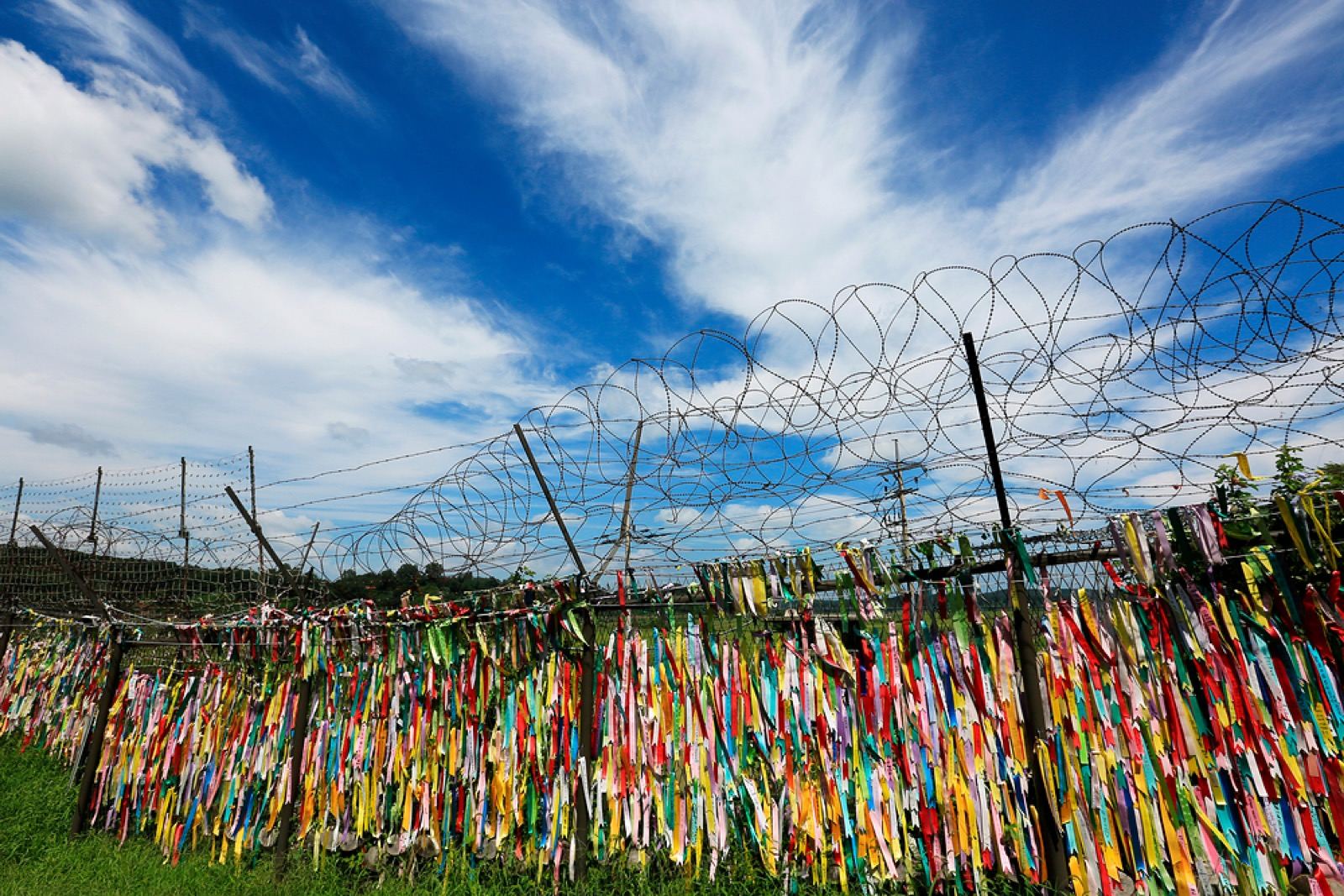
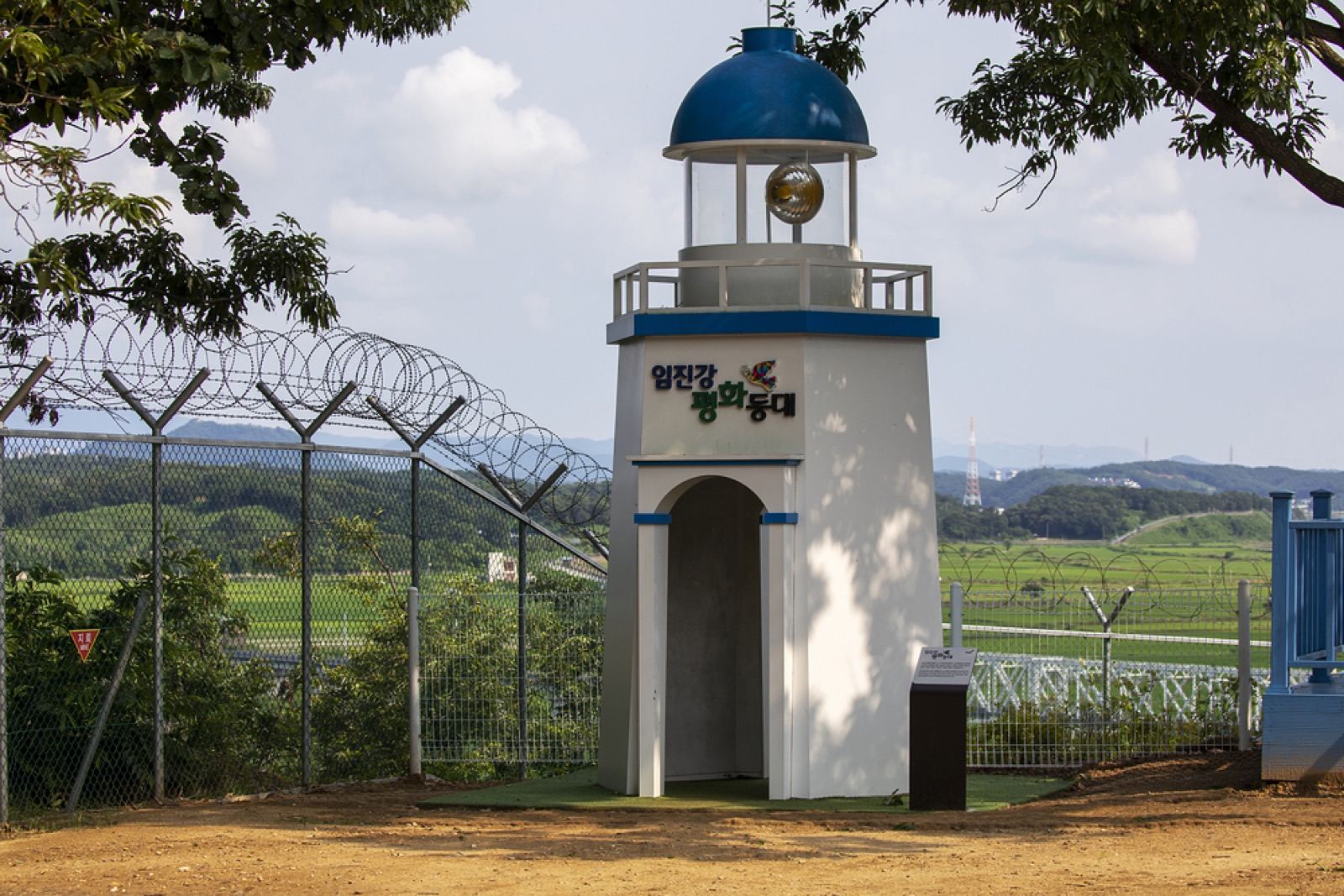
- Imjingak Peace Park — the freely accessible gateway: a park with memorials, the Freedom Bridge, and fences tied with thousands of ribbons for separated families. No tour required for this part.
- The 3rd Infiltration Tunnel — a tunnel dug by the North, which you walk down into. Claustrophobic and striking.
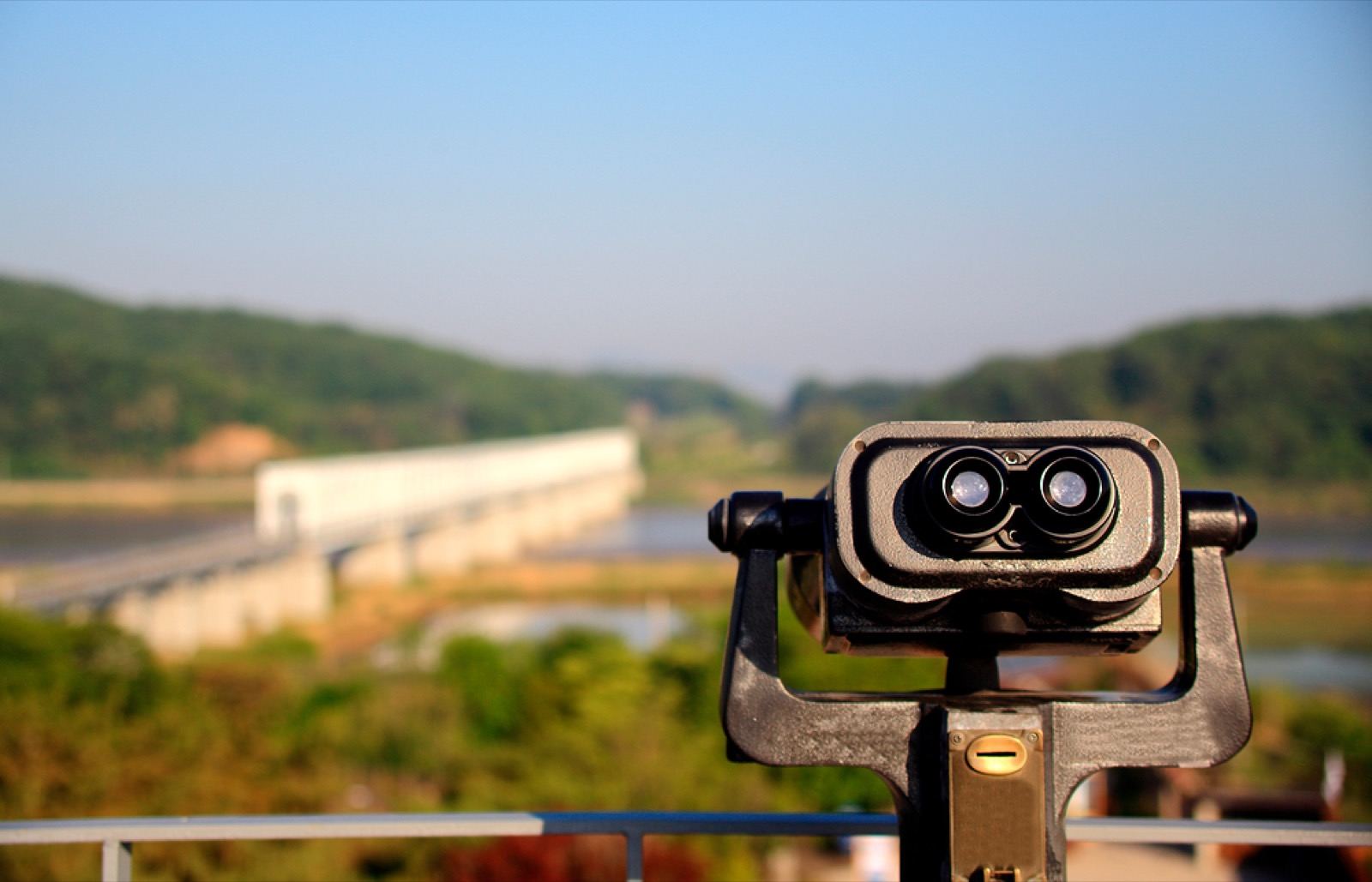
- Dora Observatory — binoculars looking across the border into North Korea, including a propaganda village.
- Dorasan Station — the eerily hopeful "last station to the North," built for a railway that doesn't yet run.
You (usually) have to book a tour
This is the part to get right: the restricted sites (3rd Tunnel, Dora Observatory, and especially the JSA/Panmunjom) require an organized tour with ID, and availability changes with the security situation. The JSA (Joint Security Area), where you stand at the actual border huts, is the most restricted and is not always open to visitors — confirm current status close to your date.
- Bring your passport; you'll need it for ID checks.
- Book ahead, especially for the JSA when it's running.
- Imjingak you can visit independently; the deeper sites you cannot.
- Tours usually run from Seoul with hotel-area pickup, which also solves the transport.
Check the operating status before you commit. The JSA and some sites close on short notice for security reasons or ceremonies, and tours book out. Have a backup (Imjingak plus the tunnel/observatory) in mind.
Beyond the border: the rest of Paju
Paju isn't only the DMZ. If you want to soften a heavy morning:
- Paju Book City — a publishing town of striking modern architecture and cafés.
- Heyri Art Village — galleries, studios and quirky museums.
- Provence Village — a small pastel shopping village.
These are easy, independent add-ons by car or local bus after a DMZ tour.
When to go
Any season works; clear days give the best observatory views. Tours run year-round but can pause around inter-Korean events — another reason to confirm close to your date. Dress for standing outdoors.
How to do it
- Decide your sites: Imjingak only (independent) vs the tunnel/observatory/JSA (tour required).
- Book a DMZ tour from Seoul ahead, and bring your passport.
- Confirm JSA status near your date if that's your goal.
- Add Heyri or Book City in the afternoon if you want a lighter second half.
- Keep a backup plan in case a restricted site is closed.
Because the restricted sites need a booked tour with ID, arranging it in advance is essential — this isn't a show-up-and-wander day.
Book a DMZ tour & transport from Seoul
Go in with the right expectations — controlled access, a heavy history, big views into the North — and the DMZ is among the most affecting days you can have near Seoul.