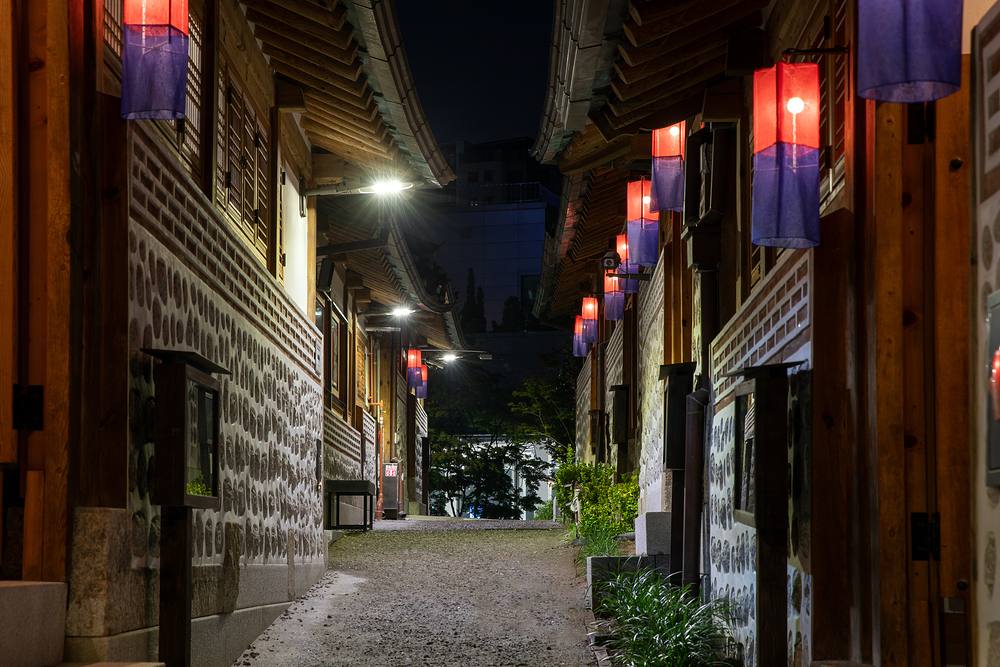
A hanok is Korea's traditional tile-roofed wooden house, and staying overnight in one is one of the most memorable things you can do in the country — often cheaper than a mid-range hotel. The best areas are Bukchon and Seochon in Seoul, Jeonju Hanok Village, Gyeongju, and Andong. Expect to sleep on heated ondol floors, pay roughly 80,000–400,000 won a night depending on comfort, and book ahead for weekends.
A night in a hanok — Korea's traditional tile-roofed wooden house — is one of the most memorable stays in the country, and it often costs less than a mid-range hotel. Most visitors default to a business hotel and never think to try it. But sleeping on a heated ondol floor inside a centuries-old courtyard house, waking to a traditional breakfast, is the kind of experience that defines a trip. This guide covers where to stay, roughly what it costs, how to book, and exactly what a hanok night is like.
What is a hanok, exactly?
A hanok is a traditional Korean house built from wood, stone, and clay, with a gently curved tiled roof, paper-screen doors (hanji), and — crucially — ondol underfloor heating, where warmth radiates up through the floor. The best examples are arranged around a small courtyard (madang). Many surviving hanok are over a century old; some newer "hanok stays" are faithful modern builds. Staying in one ranges from a simple guesthouse room to a restored heritage house with private courtyards.
What a hanok stay is actually like
Set your expectations right and you'll love it:
- You usually sleep on the floor. A thin mattress (yo) and quilt (ibul) are laid on the heated ondol floor rather than a Western bed — cozy and surprisingly comfortable once you're used to it, though not for everyone's back.
- The ondol floor is warm. Even in deep winter the heated floor keeps you toasty; it's part of the charm.
- Walls are thin. Wood and paper don't soundproof like concrete, so hanok stays are quieter, more mindful places than party hostels.
- Bathrooms are often small or shared in budget guesthouses; mid-range and heritage stays have private modern bathrooms.
- Shoes come off at the raised wooden floor, always.
- Breakfast at nicer hanok is often a traditional Korean spread — a highlight.
Go in with the floor-sleeping, shoes-off, thin-walls mindset and a hanok is magical. Expecting a hotel room with a tatami theme is the fast way to be disappointed — this is an experience stay, not a convenience stay.
Where to stay in a hanok
Seoul — Bukchon & Seochon
Bukchon Hanok Village, between Gyeongbokgung and Changdeokgung palaces, is the iconic Seoul hanok neighborhood — steep lanes of tiled roofs with the city below. Staying here puts you in the historic heart of Seoul. Neighboring Seochon is quieter and more local. Options run from simple guesthouses to upscale heritage stays; expect Seoul prices.
- Comfort/heritage: restored courtyard houses with private baths, roughly 200,000–400,000 won a night.
- Guesthouse/budget: shared-bath hanok guesthouses from around 70,000–120,000 won.
Jeonju Hanok Village
Jeonju has the country's largest concentration of hanok — hundreds of them in a walkable village — and it's the most atmospheric place to do a hanok stay on a budget. Dozens of guesthouses mean lots of choice and gentler prices, and you're steps from bibimbap and the makgeolli alleys. See our Jeonju destination guide.
- Typical guesthouse: around 60,000–100,000 won a night.
Gyeongju
The old Silla capital has a growing cluster of hanok stays, many near the tombs and Hwangnidan-gil. It pairs a hanok night beautifully with temples and royal history — a great add to a Busan & Gyeongju trip.
Andong (Hahoe Village)
For the most authentic, rural experience, Hahoe Folk Village near Andong offers homestays in genuine, lived-in clan houses — this is as close to old Korea as a traveler gets. Facilities are simple; the atmosphere is unmatched.
What does a hanok stay cost?
| Type | What you get | Price / night (approx) |
|---|---|---|
| Budget guesthouse | Small room, shared bathroom, floor bedding | 60,000–100,000 ₩ |
| Mid-range hanok | Private room + bathroom, courtyard, breakfast | 120,000–200,000 ₩ |
| Heritage / luxury (Seoul) | Restored house, private courtyard, fine breakfast | 200,000–400,000 ₩+ |
| Rural homestay (Hahoe) | Simple room in a real village house | 50,000–90,000 ₩ |
Prices are as of 2026 and rise on weekends and in peak seasons (autumn foliage, cherry blossom, festivals).
How to book a hanok stay
- Booking.com and Agoda list many hanok guesthouses and mid-range stays — the easiest route for foreign cards and English.
- Airbnb has private hanok, including whole-house rentals.
- Heritage/upscale hanok sometimes book direct through their own sites; a few are on boutique-hotel platforms.
- Rural homestays (like Hahoe) are often arranged through the village's official booking channel or local tourism offices.
Book well ahead for weekends and for Jeonju/Gyeongju during festival and foliage season — the good ones sell out.
Hanok etiquette (quick)
- Take your shoes off before stepping onto the wooden floor.
- Keep noise down at night — the walls are thin and neighbors are close.
- Roll up and stack your bedding in the morning if that's the house custom.
- Don't drag furniture or suitcases across the paper doors and wooden floors.
When to go
Hanok are wonderful year-round: winter shows off the warm ondol floor, spring and autumn are the most comfortable and scenic (blossoms and foliage frame the tiled roofs), and summer is fine though the courtyards get humid. Avoid booking a non-air-conditioned budget hanok in the peak of August heat unless you're committed to the authentic experience.
How to do it
- Pick your base: Bukchon/Seochon for Seoul, Jeonju for atmosphere-on-a-budget, Gyeongju for history, Hahoe for rural authenticity.
- Choose your comfort level using the price table above — budget guesthouse vs private heritage stay.
- Book ahead on Booking/Agoda/Airbnb, earlier for weekends and festival dates.
- Pack right: you're sleeping on the floor, so skip expectations of a tall bed; bring an open mind.
- Add it to a wider trip — a hanok night slots perfectly into a Jeonju, Gyeongju, or Andong itinerary.
If you want the surrounding logistics — trains, passes, and tours — sorted in advance, it's worth booking the practical pieces so you can just enjoy the stay.
Find stays & experiences across Korea
Frequently asked questions
Is a hanok stay worth it?
For most travelers, yes — a night in a hanok is one of the most memorable and distinctive stays in Korea, often cheaper than a hotel. Just know you'll typically sleep on a heated floor rather than a bed, and walls are thin.
Do you sleep on the floor in a hanok?
Usually, yes. Traditional hanok stays lay a thin mattress and quilt on the heated ondol floor instead of a Western bed. Some modern and upscale hanok offer beds, but floor sleeping is the classic experience.
Is a hanok warm in winter?
Very. Hanok use ondol underfloor heating, so the floor radiates warmth from below and keeps you cozy even in deep winter — it's one of the best times to stay in one.
How much does a hanok stay cost?
Budget guesthouses run about 60,000–100,000 won a night, mid-range private hanok 120,000–200,000 won, and heritage or luxury stays in Seoul 200,000–400,000 won or more, as of 2026. Rural homestays can be cheaper.
Where is the best place to stay in a hanok in Korea?
Bukchon and Seochon in Seoul for the iconic setting, Jeonju Hanok Village for atmosphere on a budget, Gyeongju to pair with history, and Hahoe Village near Andong for a rural, authentic homestay.
Do hanok stays have private bathrooms?
It depends. Budget guesthouses often have shared bathrooms, while mid-range and heritage hanok have private modern bathrooms. Check the listing before booking if a private bathroom matters to you.
How do you book a hanok stay?
The easiest way is Booking.com, Agoda, or Airbnb, which list many hanok and accept foreign cards. Upscale heritage hanok sometimes book direct, and rural homestays like Hahoe go through the village's official channel.
Skip the generic hotel for at least one night. Sleeping inside a tiled-roof house on a warm floor, with a courtyard outside your paper door, is the kind of small, specific thing you'll remember long after the trip — and it's one of the best-value experiences in Korea.