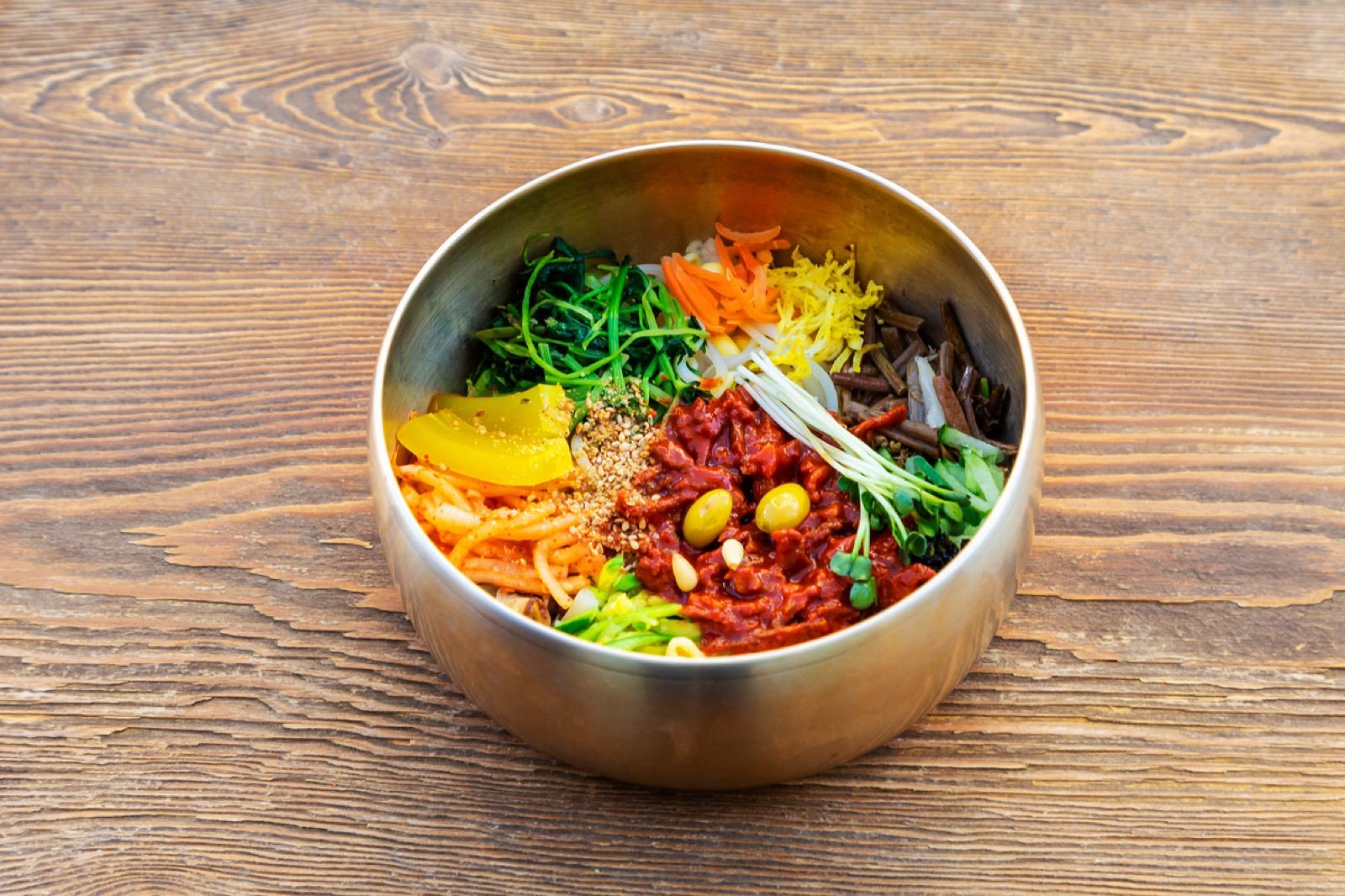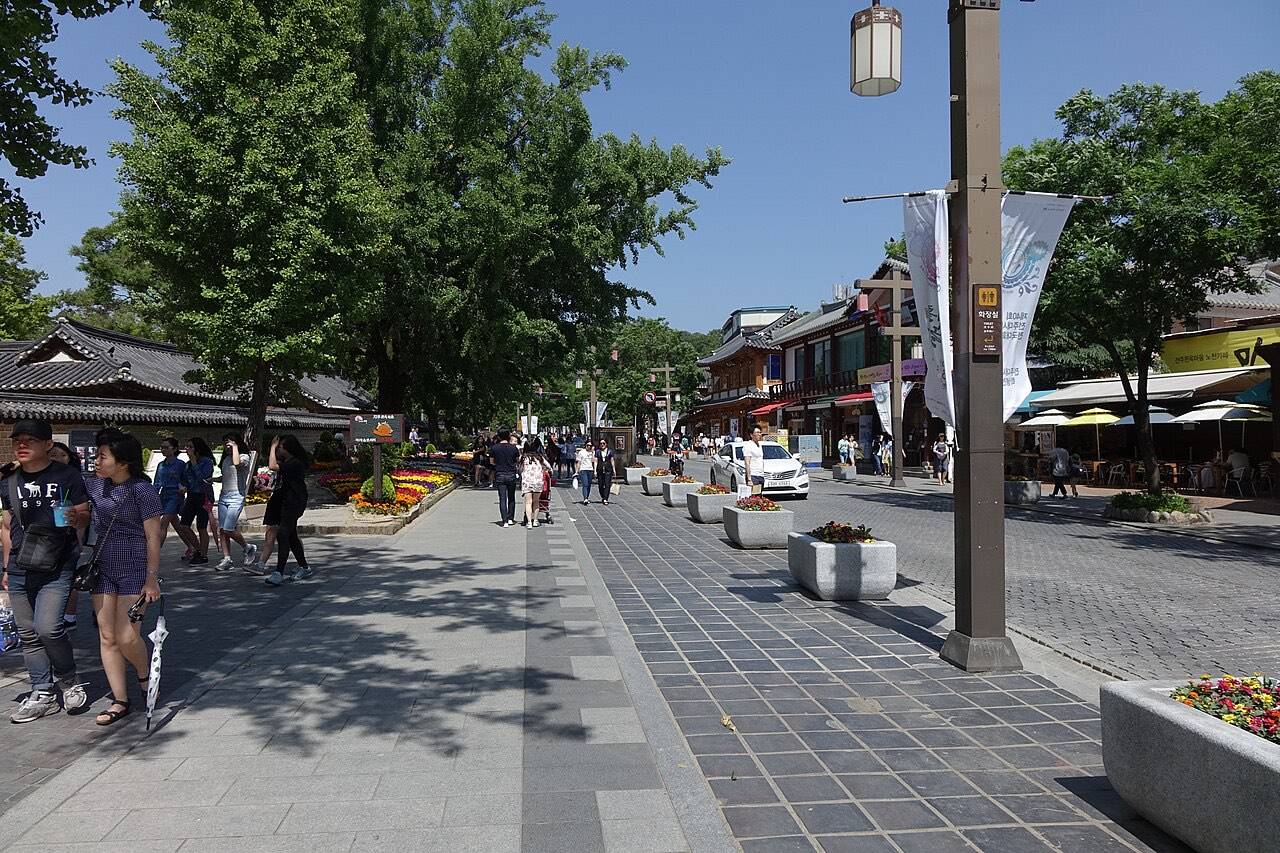
Jeonju is Korea's food capital and home to the country's largest hanok village — over 700 traditional tiled-roof houses in a few walkable blocks. It's the birthplace of bibimbap, a UNESCO City of Gastronomy, and the best place to stay overnight in a hanok on a budget. Reach it by KTX from Seoul in about 1 hour 40 minutes. Spend a day eating your way through the lanes, visit Gyeonggijeon Shrine, and save an evening for the makgeolli alleys.
Jeonju is where Koreans go to eat well and walk slowly. The city gave the country its most famous version of bibimbap, and its Hanok Village packs over 700 traditional tiled-roof houses into a few walkable blocks. UNESCO named it a City of Gastronomy, and once you've eaten your way through a day here you'll understand why. This guide covers what to see, what to eat, how to get there, where to stay, and when to go.
Rent a hanbok if you're so inclined, but the real draw is the food and the pace. Jeonju also makes a solid launch point for the southwest — Gunsan, Buan and the Jeollabuk-do coast.
What to see and do in Jeonju
Jeonju Hanok Village
The heart of the city: over 700 tiled-roof hanok in a compact grid, the largest concentration in Korea. Wander the lanes, rent a hanbok (rental shops are everywhere), sip tea or makgeolli in a courtyard, and climb to the Omokdae pavilion for a rooftop-sea view over the tiled rooftops. It's touristy by day and lovely and quiet by night — which is why staying over pays off.
Gyeonggijeon Shrine
A quiet walled compound that holds the portrait of King Taejo, founder of the Joseon dynasty, plus a bamboo grove and old ceremonial halls. Worth the small entry fee and an hour of calm in the middle of the village.
Jeondong Catholic Church
A Romanesque red-brick church facing the shrine, built on the site where early Korean Catholics were martyred — one of the prettiest churches in the country and a village landmark.
Jaman Mural Village
A hillside of murals and tiny cafés just above the hanok quarter. The climb is steep but short, and the views back over the rooftops are worth it.
Nambu Market
A day market with a Youth Mall night-food scene upstairs that gets going after dark — young vendors, craft stalls and street food, a good counterpoint to the hanok lanes.
What to eat in Jeonju
This is the reason most people come. Jeonju's food is the real attraction, and it's worth planning your day around meals.
| Dish | What it is | Where |
|---|---|---|
| Jeonju bibimbap | The original mixed-rice bowl, rich and layered | Village restaurants |
| Kongnamul gukbap | Bean-sprout rice soup, the local hangover cure | Morning spots |
| Makgeolli (alleys) | Rice wine + a table of free side dishes | Makgeolli alleys (Samcheon-dong) |
| PNB choco pie | The famous local bakery take-home treat | PNB bakery |
| Bibim / street snacks | Fillings, skewers, hotteok | Nambu Youth Mall |
Order the original Jeonju bibimbap at least once, chase it with kongnamul gukbap, and save an evening for the makgeolli alleys: order a kettle of rice wine and a whole table of free side dishes arrives with it — and keeps arriving as you order more. See our Jeonju food guide for the deeper dive, and hanok stays in Korea for where to sleep.
How to get to Jeonju
- From Seoul: the KTX reaches Jeonju in about 1 hour 40 minutes; frequent intercity buses also run from the Central City terminal. See KTX for foreigners.
- From Busan: around 3–3.5 hours by bus or by rail with a transfer.
- From the station: it's a short bus or taxi hop from Jeonju Station or the express-bus terminal to the Hanok Village.
Getting around
Jeonju is small and best on foot — the Hanok Village barely needs a map. There's no subway, so use buses or taxis for the short hops between the station, the terminal and the village. Everything you came for sits within the walkable old quarter.
Where to stay
Stay in a hanok guesthouse inside the village — it's the whole point. Day-trippers clear out by evening, the lanes go soft under the lamps, and you wake up in the middle of the old town. Options range from simple guesthouses (around 60,000–100,000 won) to smarter courtyard stays. Book ahead for weekends and festival dates.
When to go
- Spring and autumn are the nicest — mild weather for walking the lanes.
- The Jeonju International Film Festival fills the town in late spring (late April–May).
- Hanbok rental and hanok stays run all year, and winter brings quiet lanes and warm ondol floors.
How to do it
- Take the KTX from Seoul (~1h40) and drop your bag at a hanok guesthouse.
- Morning: the Hanok Village lanes, Gyeonggijeon, Jeondong Church.
- Lunch: the original Jeonju bibimbap.
- Afternoon: Jaman Mural Village and Omokdae viewpoint.
- Evening: the makgeolli alleys, then the quiet night lanes.
Find Jeonju stays, hanbok & experiences
Frequently asked questions
Is Jeonju worth visiting?
Yes, especially for food lovers. Jeonju is a UNESCO City of Gastronomy, the birthplace of bibimbap, and home to Korea's largest hanok village. It's walkable, atmospheric, and best experienced with an overnight stay when the day crowds leave.
How do you get to Jeonju from Seoul?
The KTX takes about 1 hour 40 minutes, and frequent intercity buses run from Seoul's Central City terminal. From Jeonju Station or the bus terminal, it's a short taxi or bus ride to the Hanok Village.
What is Jeonju famous for?
Jeonju is famous for food — it's the birthplace of the classic Jeonju bibimbap and a UNESCO City of Gastronomy — and for its Hanok Village of over 700 traditional houses, plus its lively makgeolli alleys.
How many days do you need in Jeonju?
One full day covers the Hanok Village, shrines and a food crawl, but an overnight is better: the village is far nicer in the evening and early morning once the day-trippers have gone, and a hanok stay is part of the appeal.
What should you eat in Jeonju?
Start with the original Jeonju bibimbap, try kongnamul gukbap (bean-sprout rice soup), grab a PNB choco pie, and spend an evening in the makgeolli alleys, where a kettle of rice wine comes with a table full of free side dishes.
Is it worth staying overnight in a hanok in Jeonju?
Yes. Jeonju has Korea's best-value hanok stays, and the village transforms at night when the crowds thin out. Sleeping on a heated ondol floor in the middle of the old quarter is one of the highlights of a Jeonju trip.
When is the best time to visit Jeonju?
Spring and autumn are the most comfortable for walking the lanes. Late spring brings the Jeonju International Film Festival, and hanok stays and hanbok rental are available year-round.
Stay overnight in a hanok guesthouse. The day-trippers clear out by evening, the lanes go soft and quiet under the lamps, and a late bowl of kongnamul gukbap tastes better when the crowds are gone.