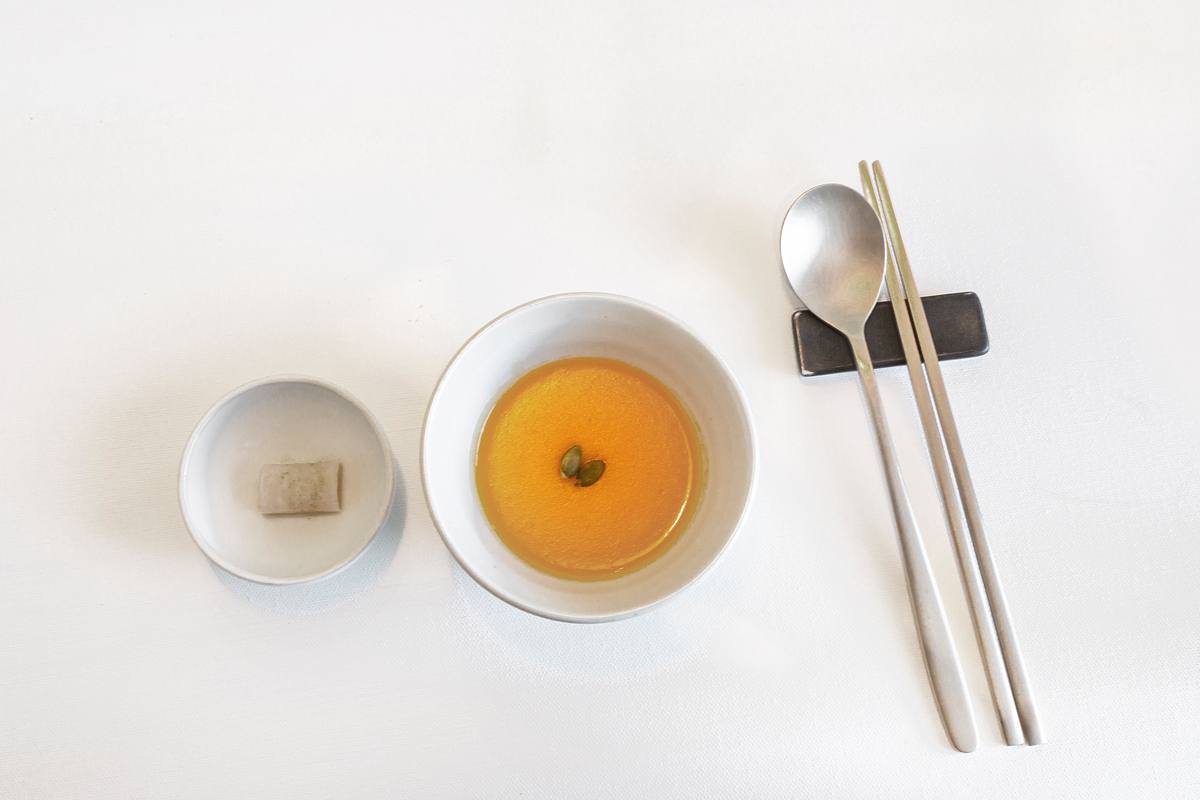
One of Korea's most talked-about chefs is a Buddhist nun cooking in a mountain temple, not a Seoul fine-dining star. When Netflix's Chef's Table featured Jeong Kwan of Baekyangsa temple, the world caught up to what Koreans have known for centuries: temple food (사찰음식) is one of the most refined and distinctive cuisines anywhere. And unlike a tasting-menu splurge, any traveler can actually eat it.
What temple food is (and isn't)
Temple cuisine is the vegetarian cooking of Korean Buddhist monasteries, shaped by one idea: food should nourish the body without harming other life or clouding the mind. In practice that means:
- No meat and no fish. It's fully plant-based.
- No "five pungent vegetables." Garlic, green onion, regular onion, chives and leeks are left out, as they're believed to over-stimulate.
- Deeply seasonal and local. Dishes follow what the mountain and the season provide, from spring greens to autumn mushrooms.
- Built on fermentation. Soy sauce, doenjang and gochujang aged for years, plus temple kimchi, carry the flavor without any of the usual shortcuts.
The result is subtle, clean and genuinely filling. If you still think vegetarian means bland, this is the food that changes your mind.
How to actually taste it
There are three easy ways in, from simplest to deepest:
- A temple-food restaurant. A handful of dedicated restaurants serve refined temple-cuisine courses to the public. The gentlest introduction, and no early wake-up required.
- A templestay meal. On an overnight templestay, you eat with the monks through barugongyang, the formal bowl meal where you take only what you'll finish and clean the bowls with water and a slice of radish so nothing is wasted. It's as much a meditation as a meal.
- A temple-food cooking class. Some temples and cultural centers run hands-on classes where you learn to make a few dishes yourself, which beats any fridge magnet as a souvenir.
Barugongyang feels strict the first time: silent, precise, nothing left behind. Lean into it. That waste-nothing ritual tells you most of what temple cooking is about.
Barugongyang: the meal as meditation
On a templestay, the formal monastic meal is the deepest way to understand this food, because here it's a practice to perform rather than a dish to admire. You're given a set of nested wooden bowls (the baru), each with its place for rice, soup, water and side dishes. You take only what you will finish, eat in silence, and waste nothing.
At the end comes the part everyone remembers. You pour clean water into your bowl and use a single slice of radish or pickle to wipe it spotless, then drink the water, every last scrap included. Not a grain of rice is thrown away. It's humbling and a little awkward the first time. By the end, you get why people call temple food a practice as much as a cuisine.
Where to go
The spiritual home of the movement is Baekyangsa, a beautiful temple in South Jeolla where Jeong Kwan cooks, deep in the mountains and well beyond the usual tourist track. You don't have to go that far, though. Temple-food experiences, restaurants and classes exist near many major temples across the country, including ones you can pair with a trip to Busan, Gyeongju or the south. Always confirm current programs and whether English guidance is available before you go.
What to expect on the plate
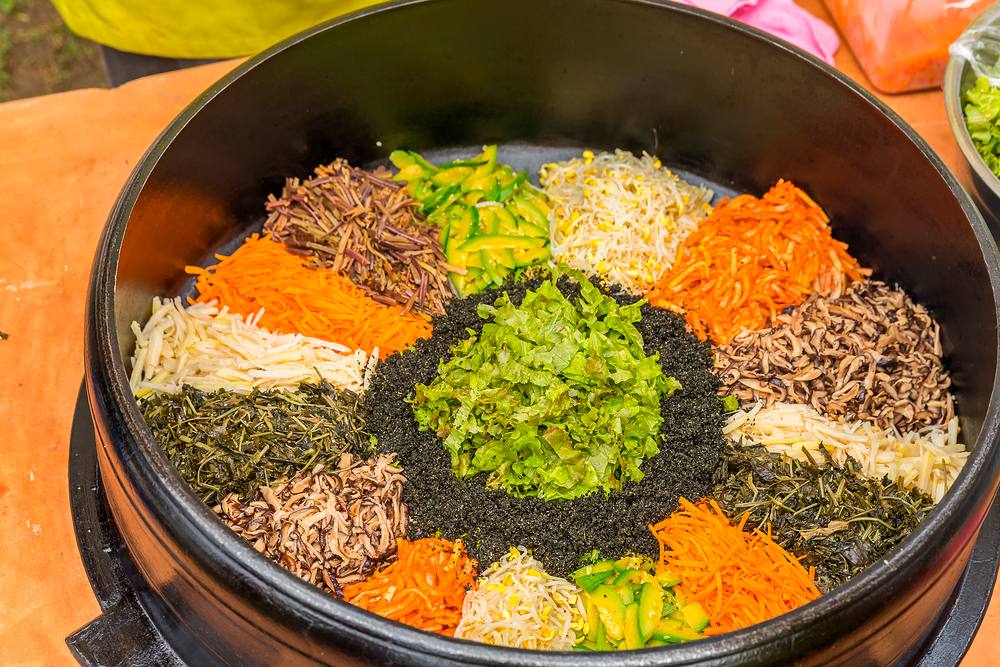
A typical spread might include seasonal namul (seasoned greens), a clear or doenjang-based soup, temple kimchi, lightly battered mushrooms or lotus root, rice, and a fermented side or two. It's served without fanfare and eaten without hurry. You leave full and calm, and oddly clear-headed.
Dishes you'll actually see
A temple meal changes with the season and the region, but some things turn up again and again:
- Namul — an array of lightly seasoned wild greens and vegetables, the backbone of the meal.
- Jangajji — vegetables pickled in soy sauce or doenjang, deeply savory.
- Buchimgae / jeon — pan-fried vegetable or mushroom fritters.
- Temple kimchi — made without the usual fish sauce or pungent alliums, cleaner and lighter than the standard version.
- Guk or jjigae — a clear vegetable or doenjang-based soup.
- Steamed rice, often mixed grains — plain, warm and central to the ritual.
- Seasonal stars — spring brings wild mountain greens, autumn brings mushrooms, chestnuts and root vegetables.
The philosophy on a plate
Temple food is Buddhist practice made edible, not a diet trend. The rules (no meat, no pungent vegetables, nothing wasted, everything seasonal) all flow from one idea: eat in a way that keeps both you and the world around you calm. That's why the flavors are built slowly, from long-aged sauces and fermentation, rather than from garlic, sugar or stock. Once you taste how much depth that patience creates, ordinary restaurant food can feel a little loud.
Good to know (dietary notes)
- It's naturally vegan. No meat, fish, eggs or dairy, which is a real relief for plant-based travelers who otherwise struggle in Korea's meat-heavy food scene.
- It's gentle food. Low in oil, salt and chilli compared with typical restaurant fare, and a good reset if you're travel-weary or your stomach needs a break.
- Watch for soy, sesame and gluten. These are the common temple-food allergens (sesame in seasonings, gluten in some fritters), so flag anything serious when you book a class or meal.
- It won't leave you hungry. The spread of rice, soup, greens and sides is more filling than it looks. You leave satisfied, not stuffed.
How to do it
- Decide your depth: a restaurant meal (easy), a templestay barugongyang (immersive), or a cooking class (hands-on).
- Book ahead. Temple-food restaurants and classes are small and fill up, especially on weekends.
- Confirm the language if you want explanation, not just a meal.
- Pair it with a templestay for the full picture. The food makes far more sense after a night in the temple's rhythm.
Want the full experience? A templestay or temple-and-culture program is the surest way to eat this food where it belongs, in the mountains, cooked by the people who've kept it alive.