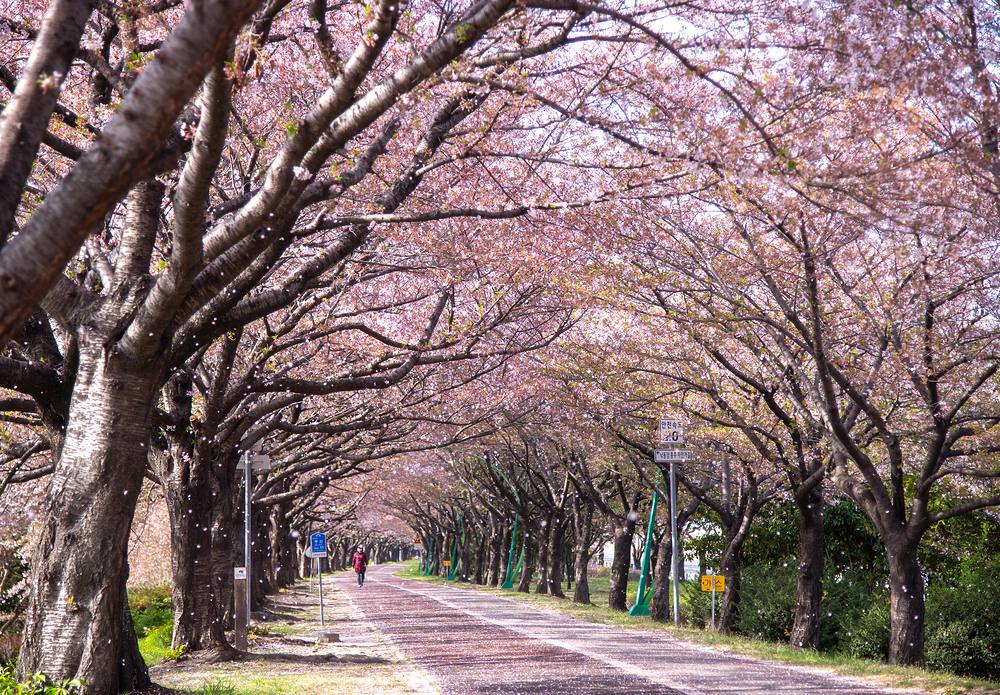
The best time to visit Korea is spring (April–May) or autumn (late September–November), with mild weather and the scenery most people come for — cherry blossoms in spring, fiery foliage in autumn. Summer (June–August) is hot, humid and beach-focused with a July rainy season; winter (December–February) is cold, quiet, cheap and good for skiing. Spring and autumn are busiest, so book trains and hotels early. Pick your month by what you want: blossoms, beaches, hiking, or snow.
Spring (April–May) and autumn (late September–November) are the two best times to visit Korea, with mild weather and the scenery most people come for. Summer is hot and beach-focused; winter is cold, quiet and cheap. The right month really comes down to what you want out of the trip. This guide breaks down each season, a quick month-by-month table, and the festivals worth planning around.
Season at a glance
| Season | Weather | Best for | Crowds |
|---|---|---|---|
| Spring (Apr–May) | Mild, blossoms | First visits, photos | High |
| Summer (Jun–Aug) | Hot, humid, rainy (July) | Beaches, islands | Medium–high |
| Autumn (late Sep–Nov) | Crisp, clear, foliage | Hiking, photos | High |
| Winter (Dec–Feb) | Cold, dry, snow in NE | Skiing, low prices | Low |
Spring (April–May): our top pick for a first visit
Mild days, cherry blossoms, and green filling in everywhere. The blossoms open in early April and move south-to-north, so Busan and Jeju bloom first and Seoul follows a week or two later. This is the prettiest time to travel, and everyone knows it — the famous spots get packed and hotel prices climb. Book trains and stays well ahead. Late May stays warm and green with far thinner crowds once the blossoms drop.
Summer (June–August): beaches and sticky heat
Hot and humid, with a rainy stretch called jangma that usually lands in July. This is when the coast comes alive: Busan's Haeundae and the east coast around Gangneung fill up with weekenders. Plan outdoor sightseeing for morning and evening, duck indoors in the sweaty afternoons, and watch the forecast for typhoons in late August and September. Upside: long days, festival energy, and the only time the beaches and island ferries are in full swing.
Autumn (late September–November): the season hikers wait for
Crisp air, clear skies, and fall foliage that peaks in the mountains and around Gyeongju's temples through October and early November. If you care about hiking and photos, this is the season to aim for. It's as popular as spring, so reserve ahead the same way. Early September can still carry summer heat and typhoon risk; mid-October is the sweet spot.
Winter (December–February): cold, calm and good value
Cold and dry, with real snow in the north and east. Ski resorts near Gangneung and Pyeongchang (which hosted the 2018 Winter Olympics) run through the season, and the cities empty out. If you'd trade warmth for short queues and lower prices, this is your window — just bring proper layers. East-coast sunrises are at their crispest, and hot-spring towns and jjimjilbang are at their best.
Month-by-month quick guide
| Month | What to expect |
|---|---|
| Jan–Feb | Coldest; skiing, ice festivals, crisp sunrises, low prices |
| Mar | Chilly, shoulder season; late-March blossoms in the south |
| Apr | Peak cherry blossoms; mild, busy, book ahead |
| May | Warm, green, comfortable; fewer crowds late in the month |
| Jun | Warming up; pre-rainy-season window |
| Jul | Hot and humid; jangma rainy season |
| Aug | Hottest; beaches peak; late-month typhoon risk |
| Sep | Warm early, cooling late; typhoon risk fades |
| Oct | Crisp and clear; peak autumn foliage |
| Nov | Cool, late foliage, thinning crowds |
| Dec | Cold and festive; ski season opens |
Festivals worth planning around
A festival is a good excuse to get beyond the usual sights and see a region at its liveliest:
- Spring: cherry-blossom festivals, with Jinhae (near Busan) the biggest, plus the green-tea fields opening at Boseong.
- Summer: the Boryeong Mud Festival on the west coast, and beach nights and fireworks in Busan.
- Autumn: the Andong Mask Dance Festival and the Jinju Namgang Lantern Festival, both worth the trip out from Seoul.
- Winter: the Hwacheon Sancheoneo ice-fishing festival, and ski season near Gangneung.
Quick picks
- First visit or photography: spring or autumn.
- Beaches and islands: summer, keeping an eye on late-summer typhoons.
- Fewest crowds and lowest prices: late autumn or winter.
- Skiing and snow: December to February in the east.
Whatever season you land in, the KTX makes it easy to chase better weather across the country. Doing several train legs? Price out the foreigner-only KR Pass before you buy single tickets.
Compare KR Pass & train tickets
Frequently asked questions
What is the best time to visit Korea?
Spring (April–May) and autumn (late September–November) are the best overall — mild weather, cherry blossoms in spring and fall foliage in autumn. They're also the busiest, so book trains and hotels early.
When do cherry blossoms bloom in Korea?
Cherry blossoms usually open in early April and move south-to-north, so Busan and Jeju bloom first, with Seoul following a week or two later. Peak bloom at any given spot lasts only about a week, so timing matters.
Is summer a good time to visit Korea?
Summer is good for beaches and islands but hot and humid, with a rainy season (jangma) in July and typhoon risk in late August and September. Sightsee in the morning and evening and keep an eye on the forecast.
When is autumn foliage in Korea?
Fall foliage peaks from mid-October into early November, earlier in the northern mountains and later further south. Mid-October is the sweet spot for crisp, clear weather and color around temples and in the hills.
What is the cheapest time to visit Korea?
Winter (December–February) and late autumn are the cheapest and least crowded, outside ski resorts and holidays. You trade warm weather for lower prices, short queues, and good skiing in the east.
Is winter worth visiting Korea?
Yes, if you don't mind the cold. Winter brings snow and skiing near Pyeongchang and Gangneung, crisp East Sea sunrises, quiet cities, lower prices, and cozy hot springs and jjimjilbang. Pack proper layers.
When should I avoid visiting Korea?
There's no bad time, but the July rainy season and the late-summer typhoon window can disrupt outdoor plans, and Korean holidays like Seollal and Chuseok see transport and attractions crowded or closed. Check the dates before booking.