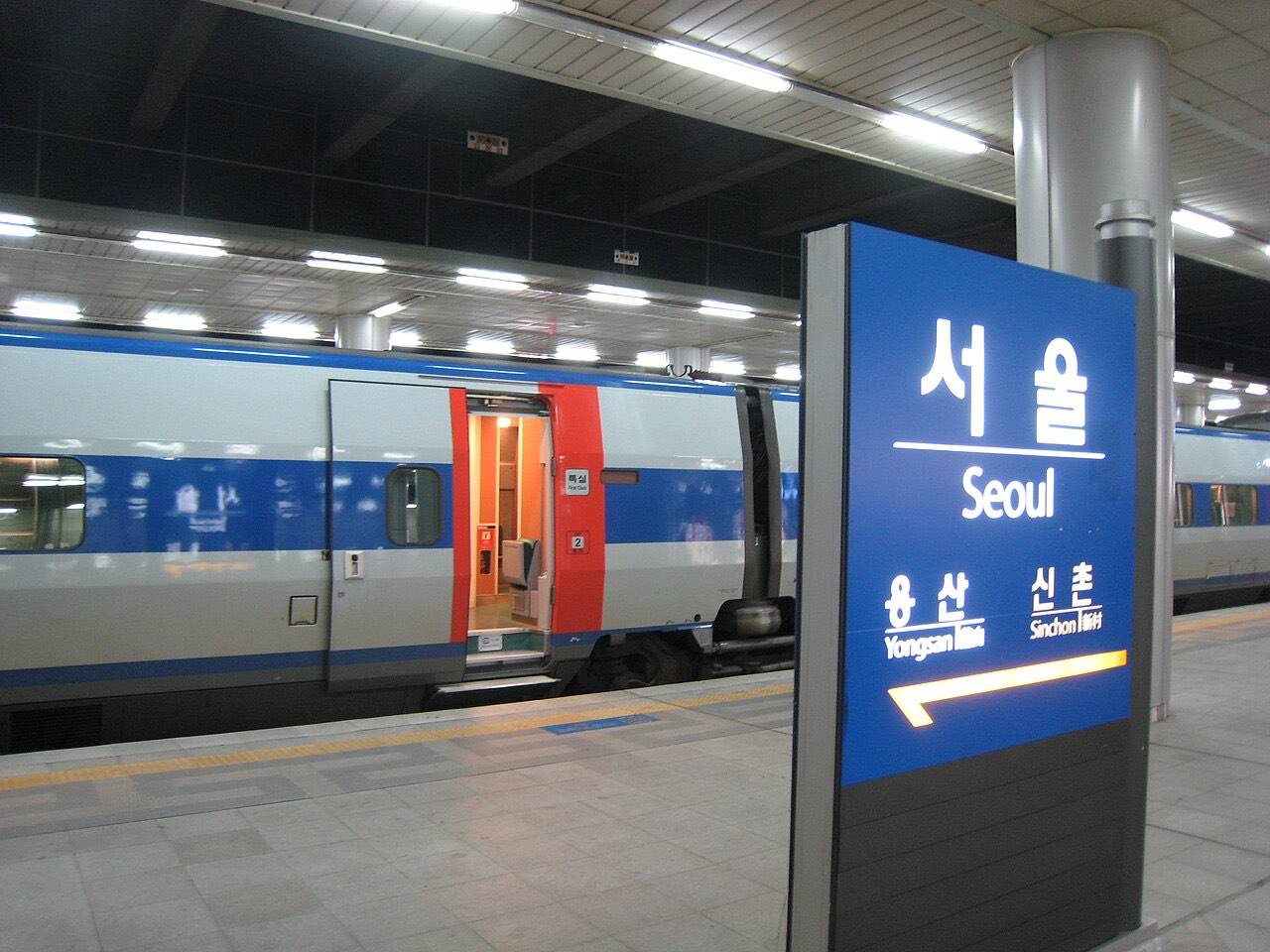
Booking the KTX as a foreigner is simple, with one catch: foreign cards sometimes get rejected on the official Korail app. You have three ways to buy — the Korail (Korail Talk) app, a travel platform like KKday, or station kiosks and counters. Start with the Korail app (cheapest, full English, QR e-ticket); if your card bounces, use KKday or just buy at the station, which always accepts foreign cards and cash. Seoul–Busan takes about 2h40m. Doing three or more long train legs? Price the foreigner-only KR Pass first.
Booking the KTX as a foreigner is straightforward, with one catch: foreign cards sometimes get rejected on the official app. The KTX is the fastest way between Korea's big cities, running Seoul to Busan in about 2 hours 40 minutes with 70-plus trains a day. You have three ways to buy tickets, and knowing which to reach for saves time and money. This guide covers each option, what the KTX costs, SRT (the other high-speed train), and the booking snag to plan around.
The three ways to book, compared
| Method | Foreign cards | English | Best for |
|---|---|---|---|
| Korail app (Korail Talk) | Usually (can bounce) | Full | Cheapest face value, seat choice |
| KKday / travel platform | Reliable | Full | When your card is rejected; bundles |
| Station kiosk / counter | Always (card or cash) | Yes | Buying on arrival, no app |
1. Korail app (Korail Talk): the official option
- Full English interface. Search by date and choose your exact seat.
- Takes international Visa and Mastercard.
- Emails a QR e-ticket that works at the gates without printing.
- Booking opens about a month before departure.
This is usually the cheapest option at face value, and the one to start with. The catch: some foreign cards trip a verification error at checkout. If yours does, drop to one of the options below — it's a card-processing quirk, not a sold-out train.
2. KKday (or another travel platform): the reliable fallback
KKday sells KTX tickets through an English checkout that handles international cards well, and it sometimes runs small discounts or bundles (a city tour paired with the train). Your e-ticket lands in your account. When the Korail app rejects your card, this is the quickest workaround — no need to go to a station.
3. Station kiosks and counters: no app needed
Every major station (Seoul, Busan and the rest) has kiosks with an English mode plus staffed ticket windows, and you can pay by card or cash. Boarding is relaxed — no airport-style security, no ticket inspection at the gate. You find your platform, car and seat and get on. Good if you'd rather sort tickets once you arrive, or as a guaranteed fallback for a rejected card.
What does the KTX cost?
Fares are distance-based and fixed (no surge pricing). As a rough guide, as of 2026:
| Route | Time | Standard fare (approx) |
|---|---|---|
| Seoul → Busan | ~2h40m | 60,000 ₩ |
| Seoul → Gyeongju (Singyeongju) | ~2h | 50,000 ₩ |
| Seoul → Gangneung | ~2h | 27,000 ₩ |
| Gyeongju → Busan | ~30m | 11,000 ₩ |
First-class adds roughly 40% for wider seats. Children and youth get discounts. Prices change, so confirm at booking.
KTX vs SRT: the other high-speed train
A second high-speed operator, SRT, runs many of the same routes (Seoul-area trains leave from Suseo station, not Seoul Station) and is often slightly cheaper. It's a separate booking system, and — importantly — the KR Pass does not cover SRT. For most visitors the KTX from Seoul Station is simpler; consider SRT if it's more convenient to your location or noticeably cheaper for your route.
Should you get the KR Pass instead?
The KR Pass (Korail Pass) is sold only to foreign visitors and gives unlimited rides for a set number of days. A flexible 2-day pass starts at roughly $88 as of 2026 (check the current fare). If you're stringing together several intercity trips — Seoul, Gyeongju and Busan, say — it can undercut buying single tickets. See our full breakdown in Is the KR Pass worth it?, and the wider picture in getting around Korea.
Quick rules of thumb
- Book early for weekends and Korean public holidays. Popular trains do sell out.
- If a foreign card bounces on the official app, switch to KKday or the station counter.
- Keep your QR e-ticket on your phone. There's no separate check-in.
- Doing 3-plus train trips? Price the KR Pass before buying individual tickets.
- Pack light — you'll likely change hotels, and stations have elevators but it's still easier with less.
How to do it
- Try the Korail app first (cheapest, seat choice, QR ticket).
- If your card is rejected, book the same train on KKday.
- Or buy at the station kiosk/counter on arrival — always takes foreign cards and cash.
- Board with your QR code or printed ticket; find car and seat, no gate check.
- Compare the KR Pass if you have three or more long legs.
Compare KTX tickets & KR Pass options
Frequently asked questions
Can foreigners book KTX tickets online?
Yes. Foreigners can book on the official Korail (Korail Talk) app, which has a full English interface and takes international Visa and Mastercard, or through a travel platform like KKday. The main snag is that some foreign cards get rejected on the Korail app — if that happens, use KKday or buy at the station.
How long does the KTX take from Seoul to Busan?
About 2 hours 40 minutes, with more than 70 trains a day. Seoul to Gyeongju (Singyeongju) is around 2 hours, and Gyeongju to Busan is about 30 minutes.
How much is a KTX ticket from Seoul to Busan?
Around 60,000 won for a standard seat as of 2026, with first class about 40% more. Fares are distance-based and fixed, with discounts for children and youth.
Why was my foreign card declined on the Korail app?
It's a common card-verification quirk, not a sold-out train. Many foreign cards trip an error at the Korail app checkout. Switch to KKday's English checkout or buy at a station kiosk or counter, which always accept foreign cards and cash.
Do I need to print my KTX ticket?
No. The Korail app and travel platforms issue a QR e-ticket that works straight from your phone — there's no gate check or separate check-in. You just find your car and seat and board.
What is the difference between KTX and SRT?
Both are high-speed trains on similar routes, but they're separate operators. SRT trains from the Seoul area leave from Suseo station (not Seoul Station) and are often slightly cheaper. Note the KR Pass covers KTX but not SRT.
Should I book KTX in advance?
Yes for weekends and Korean public holidays, when popular trains sell out. On quieter weekdays you can usually buy on the day at a station. Korail booking opens about a month before departure.