Hadong is a rural county in western South Gyeongsang strung along the clear Seomjin River in the foothills of Jirisan — the cradle of Korean tea, grown here for over a thousand years. Visit the 1,200-year-old Ssanggyesa temple, walk the terraced green-tea fields above the river, graze Hwagae Market, and time a spring trip for the Hwagae cherry-blossom road. Reach it by KTX to Jinju plus a bus, though a car helps on the spread-out valley roads. Go in spring for blossoms and the first tea flush.
Hadong is a rural county in the far west of South Gyeongsang, strung along the clear Seomjin River in the foothills of Jirisan. It's the cradle of Korean tea, grown here for more than a thousand years, and the whole valley is soft, green and slow. It works well tacked onto a Jirisan hike or a lazy drive up the river, and it's one of the most peaceful corners of the south. This guide covers what to see, what to eat, how to get there, where to stay, and when to go.
What to see and do in Hadong
Ssanggyesa Temple
A 1,200-year-old mountain temple set among forest and streams at the head of a cherry-blossom valley. Come for the walk in as much as the temple itself — the approach along the stream, through old trees, is half the experience. It's one of the region's great Buddhist sites.
Hadong green-tea fields
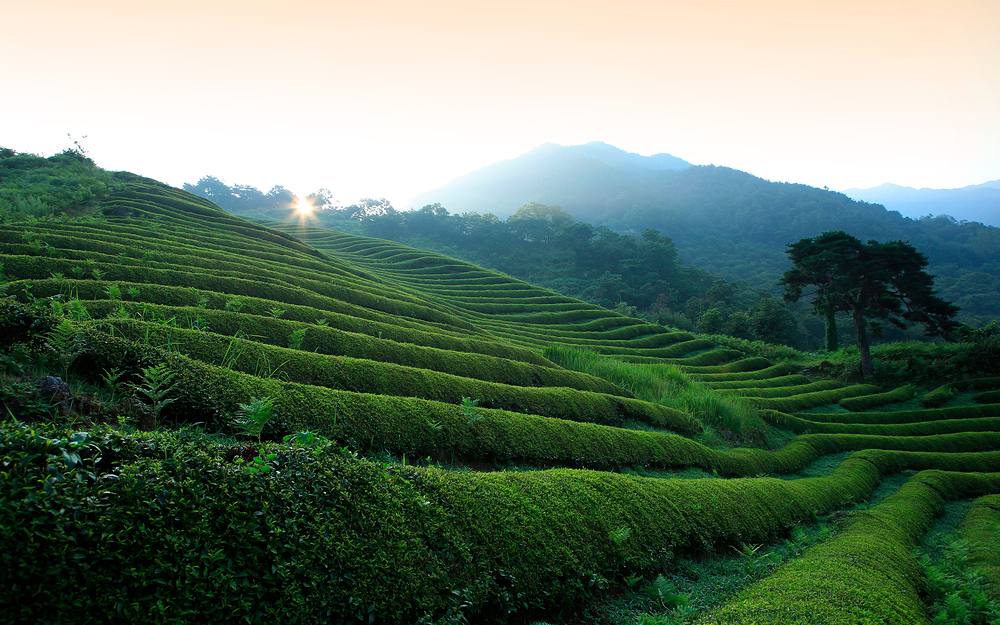
Terraced hillsides of half-wild tea above the Seomjin River, around Hwagae and Akyang. Several farms run tastings and let you try your hand at picking and roasting. The tea here grows among rocks and trees rather than in flat plantations, which is part of what makes it prized. See our green-tea trail guide.
Hwagae Cherry Blossom Road
A spring tunnel of blossoms along the road to Ssanggyesa, known locally as the "Married Couple Road." In full bloom (late March–April) it's one of the prettiest drives in Korea.
Hwagae Market
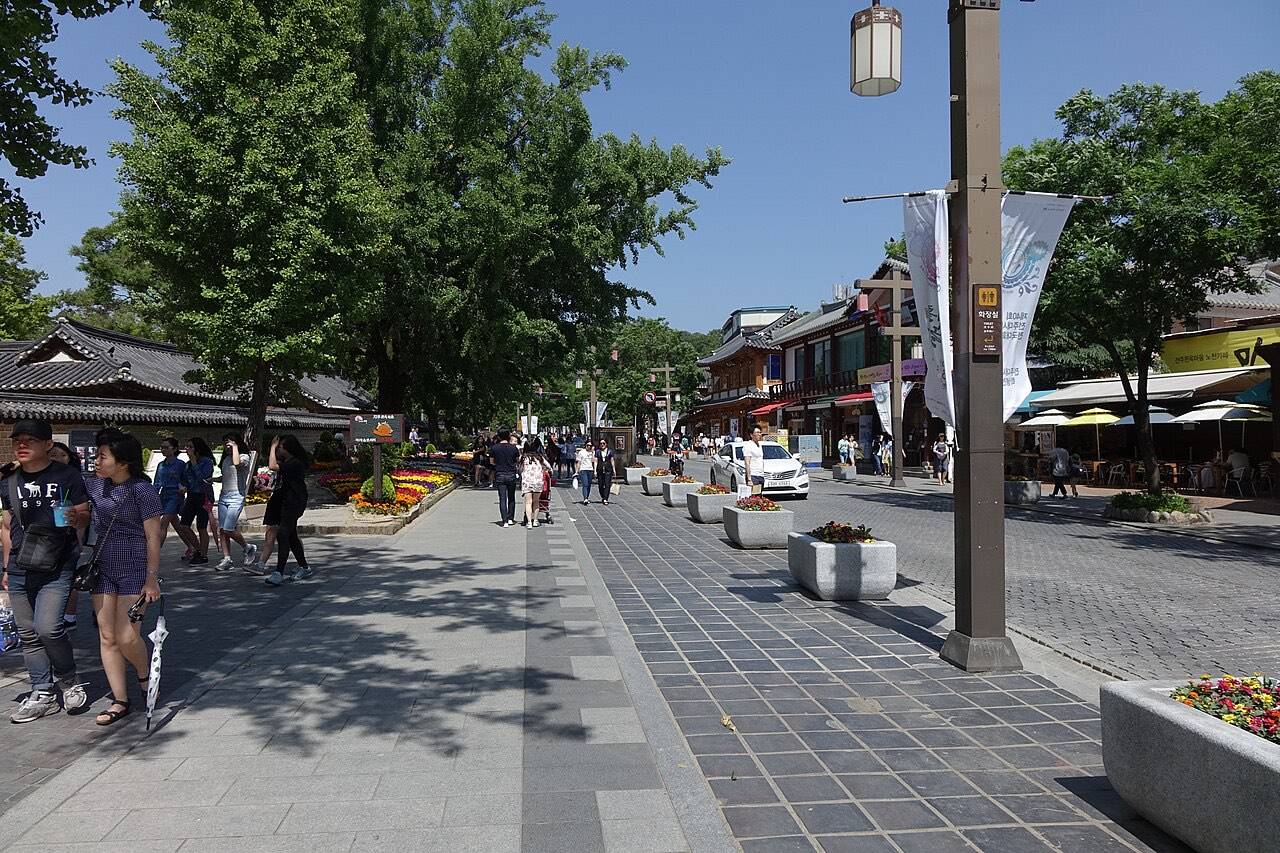
A busy riverside market on the old border between Gyeongsang and Jeolla, historically where mountain and coast goods were traded. A good spot to graze — wild greens, river fish, and regional snacks.
Seomjin River
Clear and slow, lined with pine and pale sand, and made for a quiet drive or bike ride. The river defines Hadong, and some of the best moments here are just following it.
At a glance
| Spot | Best for | When |
|---|---|---|
| Ssanggyesa | Historic mountain temple | Spring (blossoms) / autumn |
| Green-tea fields | Tastings, terraced views | May (first flush) |
| Hwagae blossom road | Cherry-blossom drive | Late Mar–Apr |
| Hwagae Market | Grazing, local produce | Market days |
| Seomjin River | Slow drive / bike ride | Any season |
What to eat
This is tea country, so start with nokcha (green tea) and the dishes cooked with it. The local specialty is jaecheop-guk, a clear, delicate soup made from the tiny clams of the Seomjin River — simple and restorative. In spring, look for plates of foraged wild greens (namul), and river fish shows up grilled or in stews.
How to get to Hadong
- The usual route: KTX to Jinju, then a bus into the valley; there's also a rail stop at Hadong on the Gyeongjeon line.
- By car (best): the tea fields, temple and river are strung through the valley and public transport is thin, so a rental car makes a real difference.
- Pair it with: a Jirisan hike, Namhae, or the Boseong tea fields further west.
Getting around
Hadong is deep in the countryside and its sights are spread along the river and up side valleys. Buses are infrequent, so a car is the practical choice. Without one, base around Hwagae (near the temple, market and blossom road) to keep walking distances reasonable.
Where to stay
Stay around Hwagae to be near Ssanggyesa, the tea fields and the market, or at a tea-farm or riverside guesthouse for the full slow-valley experience. This is a place to stay over and wake up to mist on the river rather than day-trip through.
When to go
- Spring is the season to plan around — blossoms along the Hwagae road and the first green-tea flush coming in (early May).
- Autumn brings foliage down off Jirisan and thinner crowds.
- Summer is lush and green, good for the river.
How to do it
- Drive in (or KTX to Jinju + bus), ideally with a car.
- Walk in to Ssanggyesa along the stream.
- Visit a tea farm for a tasting and a terraced-field view.
- Graze Hwagae Market and follow the Seomjin River.
- Time it for spring blossoms and the first tea flush if you can.
Find Hadong tea experiences & Korea tours
Frequently asked questions
Is Hadong worth visiting?
Yes, for a slow, scenic countryside trip. Hadong is the cradle of Korean tea, with a historic mountain temple, terraced tea fields, a famous cherry-blossom road, and the clear Seomjin River. It's peaceful and far off the usual tourist track, best paired with Jirisan or Namhae.
How do you get to Hadong?
Take the KTX to Jinju and a connecting bus into the valley, or use the rail stop at Hadong on the Gyeongjeon line. Because the sights are spread along the river, a rental car makes the trip much easier.
What is Hadong known for?
Hadong is known as the birthplace of Korean green tea, grown here for over a thousand years, along with the Ssanggyesa temple, the Hwagae cherry-blossom road, Hwagae Market, and the scenic Seomjin River.
When is the best time to visit Hadong?
Spring is the standout — cherry blossoms along the Hwagae road and the first green-tea flush in early May. Autumn brings Jirisan foliage and fewer crowds, and summer is lush and green along the river.
What should you eat in Hadong?
Start with local green tea and tea-infused dishes, then try jaecheop-guk, a clear soup of tiny Seomjin River clams. In spring, foraged wild greens (namul) and river fish are regional specialties.
Can you do a tea experience in Hadong?
Yes — several working tea farms around Hwagae and Akyang offer tastings and hands-on sessions where you pick, roast and brew your own green tea. It's the signature Hadong activity and most rewarding in the spring picking season.
Book a green-tea experience at a working farm, where you pick, roast and brew your own. It's the kind of hands-on afternoon most visitors drive right past.