Pyeongchang is a highland county in Gangwon that hosted the 2018 Winter Olympics, and there's far more to it than the Games. Walk the Daegwallyeong sheep ranch and windmill ridges, hike to Woljeongsa through Odaesan National Park's famous fir forest, ski at Alpensia or Yongpyong in winter, and catch the trout ice-fishing festival in January. It's reachable by KTX to Jinbu in under 1.5 hours from Seoul. Go in winter for snow and skiing, or summer for cool highland air.
Pyeongchang is Korea's highland escape, and it's more than an Olympic memory. This mountainous county in Gangwon-do sits high on the Daegwallyeong plateau, which makes it cool in summer, snowy in winter, and scenic year-round. Beyond the 2018 Winter Olympics it offers sheep ranches, a revered mountain temple, ski slopes and a famous winter festival. This Pyeongchang travel guide covers what to do, what to eat, how to get there, and when to go.
What to do in Pyeongchang
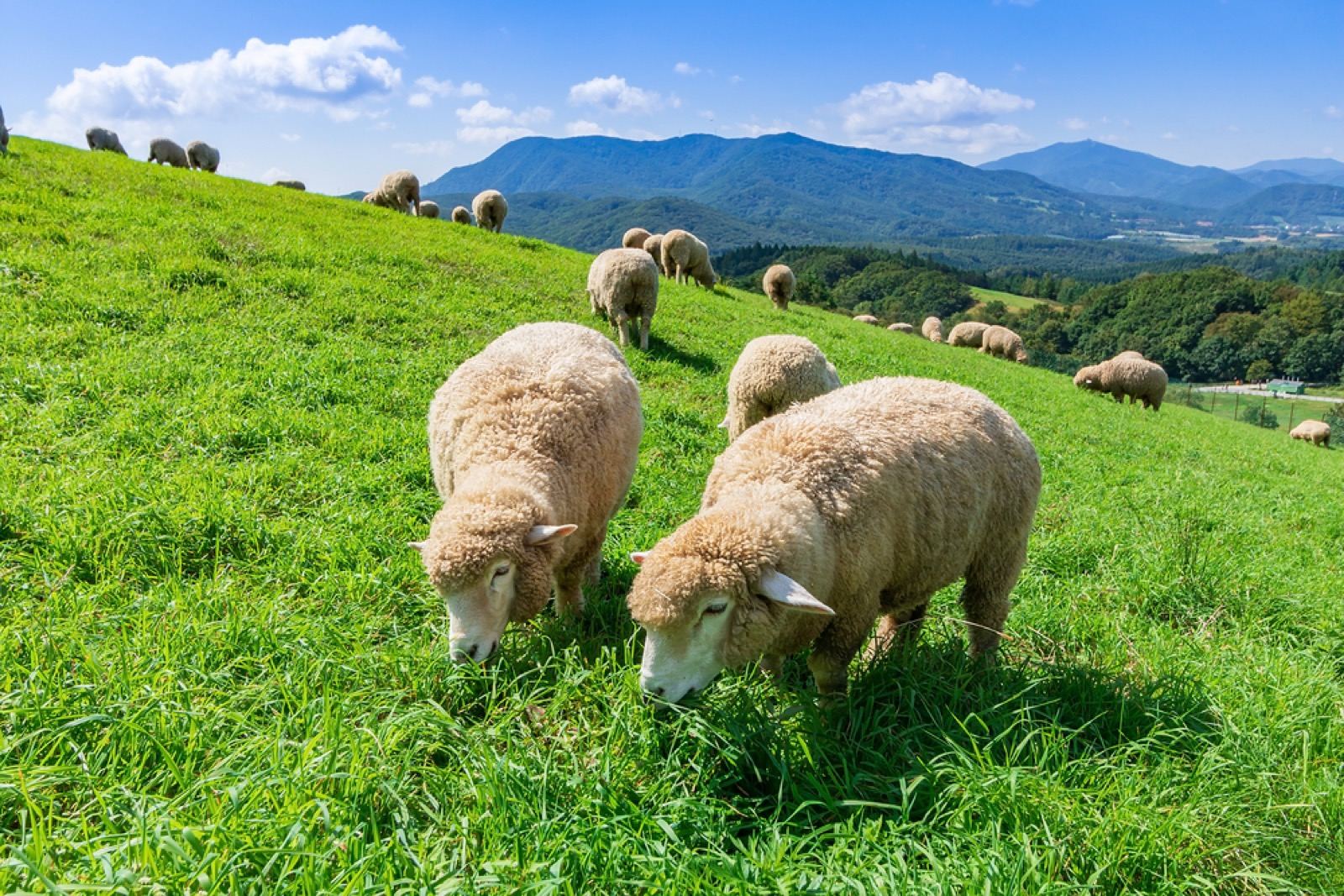
Daegwallyeong Sky Ranch & sheep farms
The Daegwallyeong highland is Pyeongchang's signature image: rolling green pastures, grazing sheep, and lines of wind turbines along the ridges. The Daegwallyeong Sheep Farm (Yangtte Mokjang) has a walking loop where you can feed sheep, and the larger Samyang Daegwallyeong Ranch (Sky Ranch) offers sweeping ridge-top views. It's the closest thing Korea has to an alpine meadow.
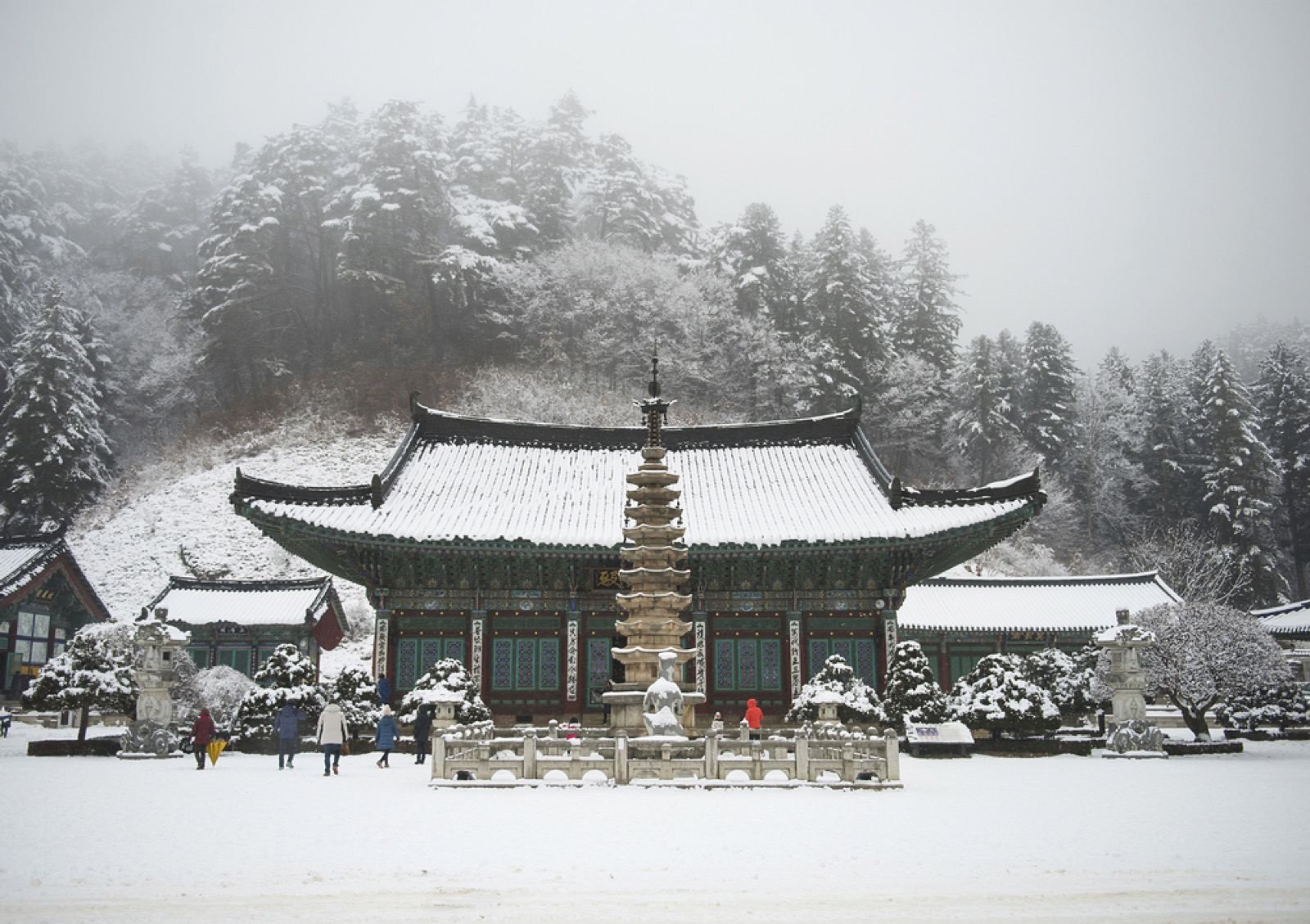
Odaesan National Park & Woljeongsa
Odaesan National Park protects deep forests and gentle peaks. The star is Woljeongsa, a historic temple reached by a beautiful fir-tree forest path (jeonnamu-sup-gil) that's magical under snow or autumn color. Further up sits Sangwonsa and some of Korea's oldest temple relics. It's a restorative half-day.
Skiing and winter sports
Pyeongchang is Korea's premier ski region. Alpensia and Yongpyong (the latter with the long Balwangsan gondola, also run in autumn for foliage) hosted Olympic events and run through the winter season. Even non-skiers can ride the gondola for the view or visit the Olympic venues.
The trout festival & winter fun
Pyeongchang's Odaecheon trout (songeo) ice-fishing festival each January draws crowds to drill holes in the frozen river and fish — then grill or eat the catch as sashimi. It's one of Korea's big winter festivals (confirm dates each year).
At a glance
| Spot | Best for | Season |
|---|---|---|
| Daegwallyeong sheep ranch | Highland meadows, sheep, windmills | Spring–autumn |
| Odaesan / Woljeongsa | Fir forest, temple | Autumn, winter |
| Alpensia / Yongpyong | Skiing, gondola views | Winter (ski); autumn (foliage) |
| Trout festival | Ice fishing, winter fun | January |
| Balwangsan gondola | Ridge-top panorama | Autumn / winter |
What to eat
Highland Pyeongchang is known for hanu (Korean beef) and memil (buckwheat) — try memil-guksu (buckwheat noodles) and memil-jeon (buckwheat pancakes), a Gangwon staple. In winter, fresh songeo (trout), eaten as sashimi or grilled, is the local specialty around the festival. Potatoes and highland vegetables round out the hearty mountain menu.
How to get to Pyeongchang
- By KTX: the Gangneung-line KTX stops at Jinbu Station (for Odaesan/Woljeongsa) and Pyeongchang Station, reaching Jinbu in under 1.5 hours from Seoul — one of the easiest mountain escapes in the country. See KTX for foreigners.
- The sights are spread out and high up, so a rental car helps a lot; otherwise plan around local buses and shuttles from the stations.
- It pairs naturally with Gangneung on the coast, about 30–40 minutes further by train. For timing, see the best time to visit Korea.
How to do it
- Take the KTX to Jinbu (under 1.5h from Seoul).
- Walk the Woljeongsa fir-forest path in Odaesan.
- Visit a Daegwallyeong sheep ranch for the highland meadows and windmills.
- Ski in winter at Alpensia or Yongpyong, or ride the gondola for the view.
- Pair with Gangneung on the coast, and time a January trip for the trout festival.
Book trains, passes & winter experiences
Frequently asked questions
Is Pyeongchang worth visiting?
Yes, especially for mountains and snow. Beyond hosting the 2018 Winter Olympics, Pyeongchang has highland sheep ranches and windmill ridges, the fir-forest temple of Woljeongsa, major ski resorts, and a winter trout festival — a cool-air summer escape and a prime winter destination.
How do you get to Pyeongchang from Seoul?
Take the Gangneung-line KTX to Jinbu or Pyeongchang station, reaching Jinbu in under 1.5 hours. The sights are spread out and at altitude, so a rental car or local buses and shuttles from the stations help for getting around.
What is there to do in Pyeongchang besides skiing?
Walk the Daegwallyeong sheep ranch and windmill highlands, hike the fir-forest path to Woljeongsa temple in Odaesan National Park, ride the Balwangsan gondola for ridge views, and visit the January trout ice-fishing festival. It's scenic year-round.
When is the best time to visit Pyeongchang?
Winter (December–February) for snow, skiing and the trout festival; summer for cool highland air and green sheep-ranch meadows; and autumn for foliage, including on the Balwangsan gondola. Each season suits a different kind of trip.
Can you ski in Pyeongchang?
Yes — Pyeongchang is Korea's premier ski region. Alpensia and Yongpyong, which hosted Olympic events, run through the winter season, and non-skiers can ride the gondola or visit the Olympic venues.
What should you eat in Pyeongchang?
Highland specialties: hanu (Korean beef), buckwheat dishes like memil-guksu noodles and memil-jeon pancakes, and in winter fresh songeo (trout) eaten grilled or as sashimi. Potatoes and highland vegetables feature heavily.
Can you visit Pyeongchang and Gangneung together?
Yes, easily. Gangneung on the east coast is about 30–40 minutes further on the same KTX line, so you can pair Pyeongchang's mountains with Gangneung's beaches and coffee street in one trip.
Come for the highlands and the snow. Pyeongchang trades city buzz for cool air, big ridgelines and one of Korea's best winter scenes, all a short train ride from Seoul.