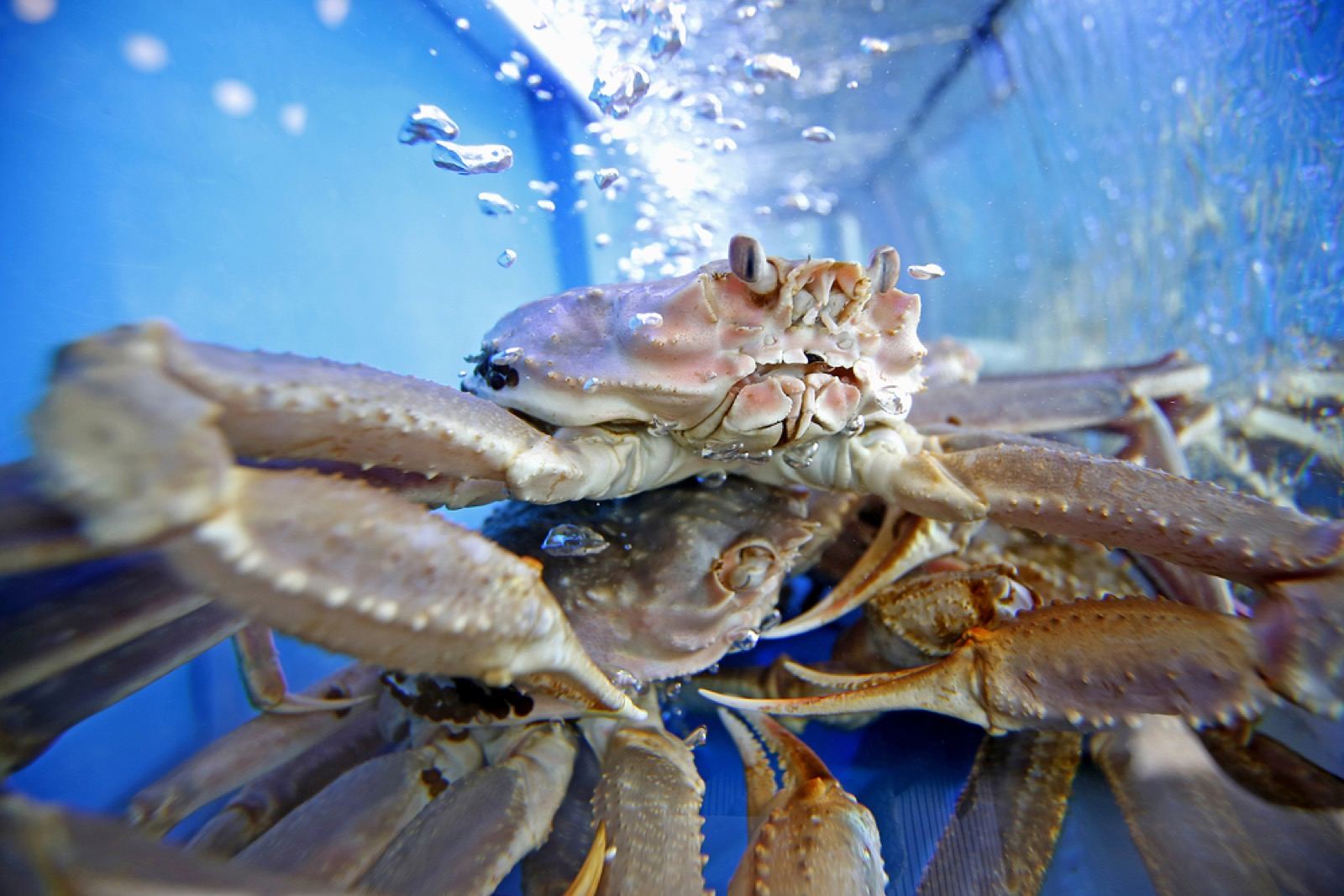
Yeongdeok, a fishing county on Korea's east coast in North Gyeongsang, is the country's most famous snow crab (daegae) town. Eat it fresh off the boats along the restaurant row at Ganggu Port, where you pick a live crab by weight and have it steamed. The season runs roughly November to May, peaking December–March, with prices from about 50,000 won for a modest crab to well over 150,000 for a large one, as of 2026. There's no KTX to Yeongdeok, so come via Pohang by bus, and pair it with the Blue Road coastal trail.
Yeongdeok snow crab is the reason to make the trip to this quiet stretch of Korea's east coast. The county of Yeongdeok, north of Pohang in Gyeongsangbuk-do, is the country's benchmark for daegae (snow crab) — sweet, delicate, and best eaten within hours of the boats landing. This guide covers where to eat it, what it costs, when to go, and how to get to a town with no train station of its own.
When is Yeongdeok snow crab in season?
Snow crab season on the east coast runs roughly November to May, with the best eating from December through March, when the cold water firms up the meat. The Yeongdeok Snow Crab Festival usually lands in late winter (dates vary year to year — check the official listing). Outside the season crab is still sold from tanks, but for peak flavor and price, aim for deep winter.
Where to eat it: Ganggu Port
The heart of it all is Ganggu Port (Gangguhang), where a long Daegae Street (대게거리) of restaurants lines the harbor, each with live tanks out front.
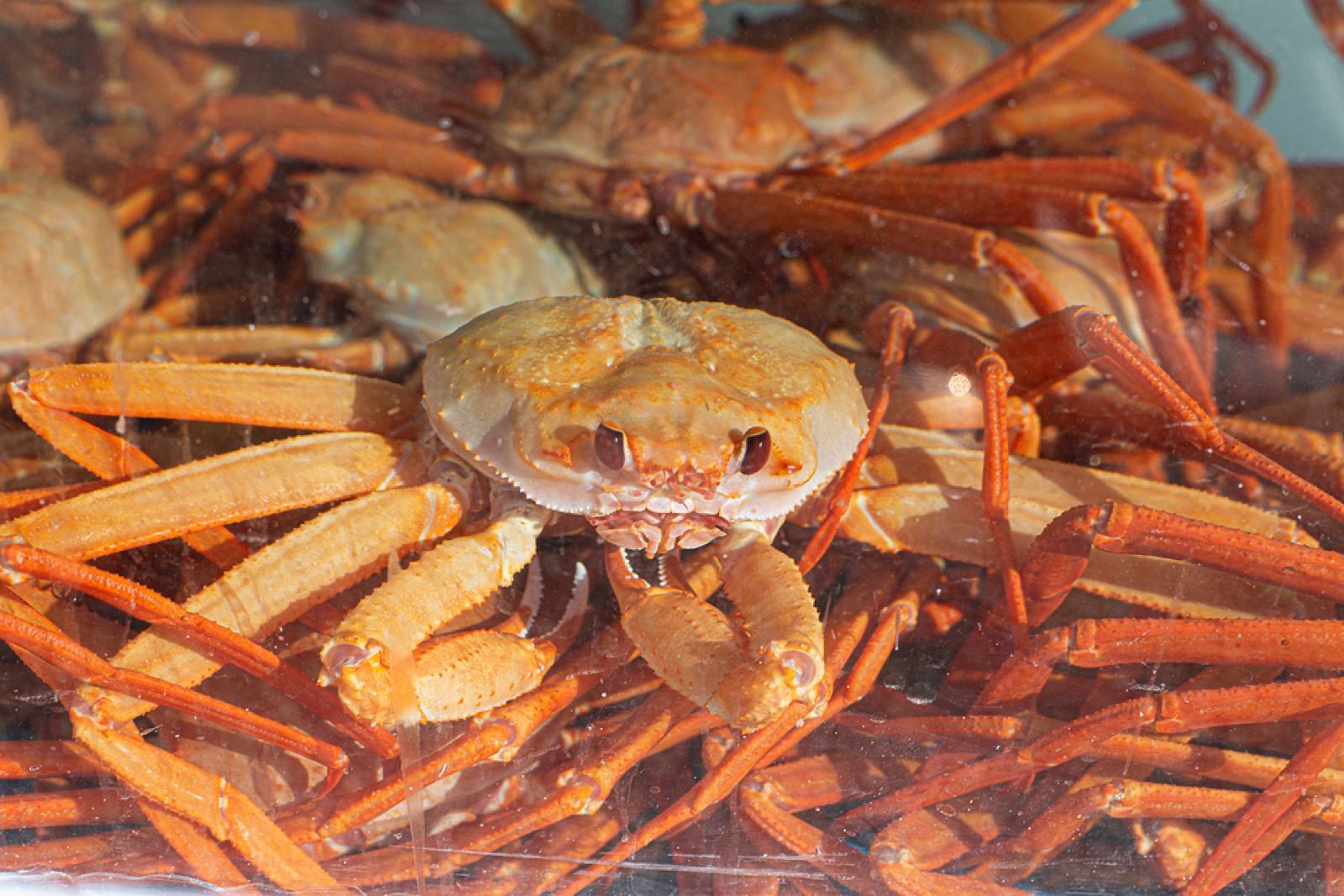
- Pick your crab by weight. Staff weigh the live crab and price it on the spot — heavier and fuller crabs cost more. Ask for daegae (snow crab) specifically; the cheaper, spindlier red crab (hongge) is a different, less prized animal.
- Have it steamed. The classic preparation is simply steamed, served belly-up so the juices stay in. You crack the legs with scissors and picks the staff provide.
- Finish with gejang-bokkeumbap — fried rice cooked in the scraped-out shell with the crab roe and tomalley. It's the best bite of the meal, so save room.
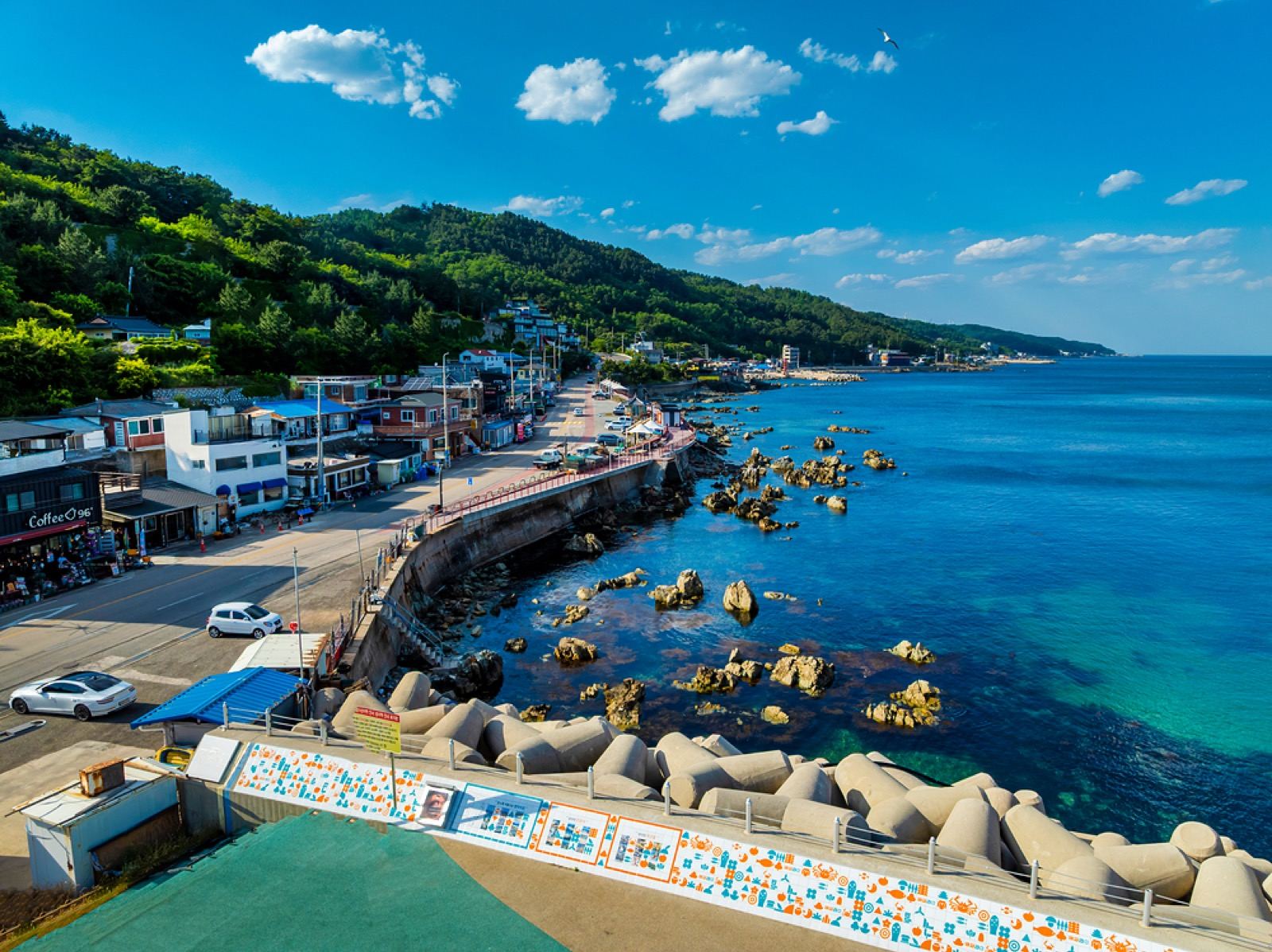
Chuksan Port (Chuksanhang), a little further up the coast, is a quieter alternative with its own crab restaurants and a pretty lighthouse.
What does Yeongdeok snow crab cost?
Prices swing with size, season and the day's catch, but as a rough guide for 2026:
| Crab size | Rough price (steamed) | Good for |
|---|---|---|
| Small / modest | from ~50,000 ₩ | A taste for one |
| Medium | ~80,000–120,000 ₩ | Two people sharing |
| Large / premium | 150,000 ₩+ | A splurge, deep flavor |
Fried rice and side dishes are usually included or cheap add-ons. Prices are highest at peak season and for the biggest crabs — a mid-size crab shared between two is the sweet spot.
Confirm the price per crab (and per 100g) before they steam it. Snow crab is sold by weight off live tanks, and the bill is set the moment you choose — so point, ask the total, and agree first.
What else to eat
Yeongdeok isn't only crab. Look for daegae-gukbap or crab soup to warm up, fresh hoe (raw fish) off the boats, and in the warmer months mulhoe (cold raw-fish soup). For a cheaper everyday bite, the ports do solid grilled fish and seafood stews. For more east-coast seafood, see our Pohang & Homigot guide just down the coast, and for the southwest's shellfish, Wando abalone.
Beyond the crab: the Blue Road
Walk off lunch on the Yeongdeok Blue Road (블루로드), a coastal trail that runs along the cliffs and beaches between Ganggu and Chuksan, past a lighthouse and the crab-leg-shaped footbridge at Haemaji Park. There's also a wind farm on the ridge above the coast with wide sea views. It's an easy, scenic half-day that rounds out a crab trip.
How to get to Yeongdeok
There's no KTX to Yeongdeok, so the trip takes a connection:
- Via Pohang (easiest): take the KTX to Pohang (about 2h20m from Seoul), then an intercity bus or taxi up the coast to Ganggu (roughly 45–60 minutes). See how to book KTX as a foreigner.
- Direct bus: intercity buses run from Seoul (Dong Seoul) to Yeongdeok/Yeonghae, taking the better part of 4–5 hours.
- Local Donghae-line trains also reach the area; check current schedules.
- Getting around: the ports are spread out, so a rental car or taxis help, especially for the Blue Road and Chuksan.
How to do it
- Route through Pohang by KTX, then bus or taxi to Ganggu Port.
- Come in winter (Dec–Mar) for peak crab, ideally around the festival.
- Pick a mid-size crab at a Daegae Street restaurant and confirm the price first.
- Finish with shell fried rice, then walk the Blue Road.
- Check the weather — winter storms can keep the boats in and push prices up.
Book trains & passes for your east-coast trip
Frequently asked questions
What is Yeongdeok snow crab?
Yeongdeok snow crab (daegae) is a prized cold-water crab caught off Korea's east coast, famous for its sweet, delicate meat. Yeongdeok County, north of Pohang, is the country's best-known place to eat it fresh, mainly along the restaurant row at Ganggu Port.
When is the best time to eat Yeongdeok snow crab?
The season runs roughly November to May and peaks December through March, when the cold water makes the meat firm and full. The Yeongdeok Snow Crab Festival is held in late winter, though exact dates change each year.
How much does Yeongdeok snow crab cost?
It's sold live by weight, so prices vary — roughly from 50,000 won for a small crab to over 150,000 for a large premium one, as of 2026. A mid-size crab of 80,000–120,000 won shared between two is the sweet spot. Always confirm the price before it's steamed.
How do you get to Yeongdeok?
There's no KTX to Yeongdeok. The easiest way is the KTX to Pohang (about 2h20m from Seoul), then a 45–60 minute bus or taxi up the coast to Ganggu Port. Direct intercity buses from Seoul take 4–5 hours.
Where do you eat snow crab in Yeongdeok?
Ganggu Port's Daegae Street, where restaurants line the harbor with live crab tanks out front. You pick a crab by weight and have it steamed, then finish with fried rice cooked in the shell. Chuksan Port is a quieter alternative.
What's the difference between snow crab and red crab?
Snow crab (daegae) is the larger, sweeter, more prized crab and costs more. Red crab (hongge) is smaller, spindlier and cheaper. Menus and tanks sell both, so ask for daegae specifically if that's what you want.
Is Yeongdeok worth visiting beyond the crab?
Yes, for the coast. The Yeongdeok Blue Road trail runs along cliffs and beaches between Ganggu and Chuksan, past a lighthouse, a crab-leg footbridge and a hilltop wind farm — an easy, scenic half-day to pair with a crab lunch.
Come in deep winter, pick a mid-size crab off the tanks at Ganggu, and don't skip the shell fried rice. Yeongdeok is a single-dish destination, and the dish is worth the detour.