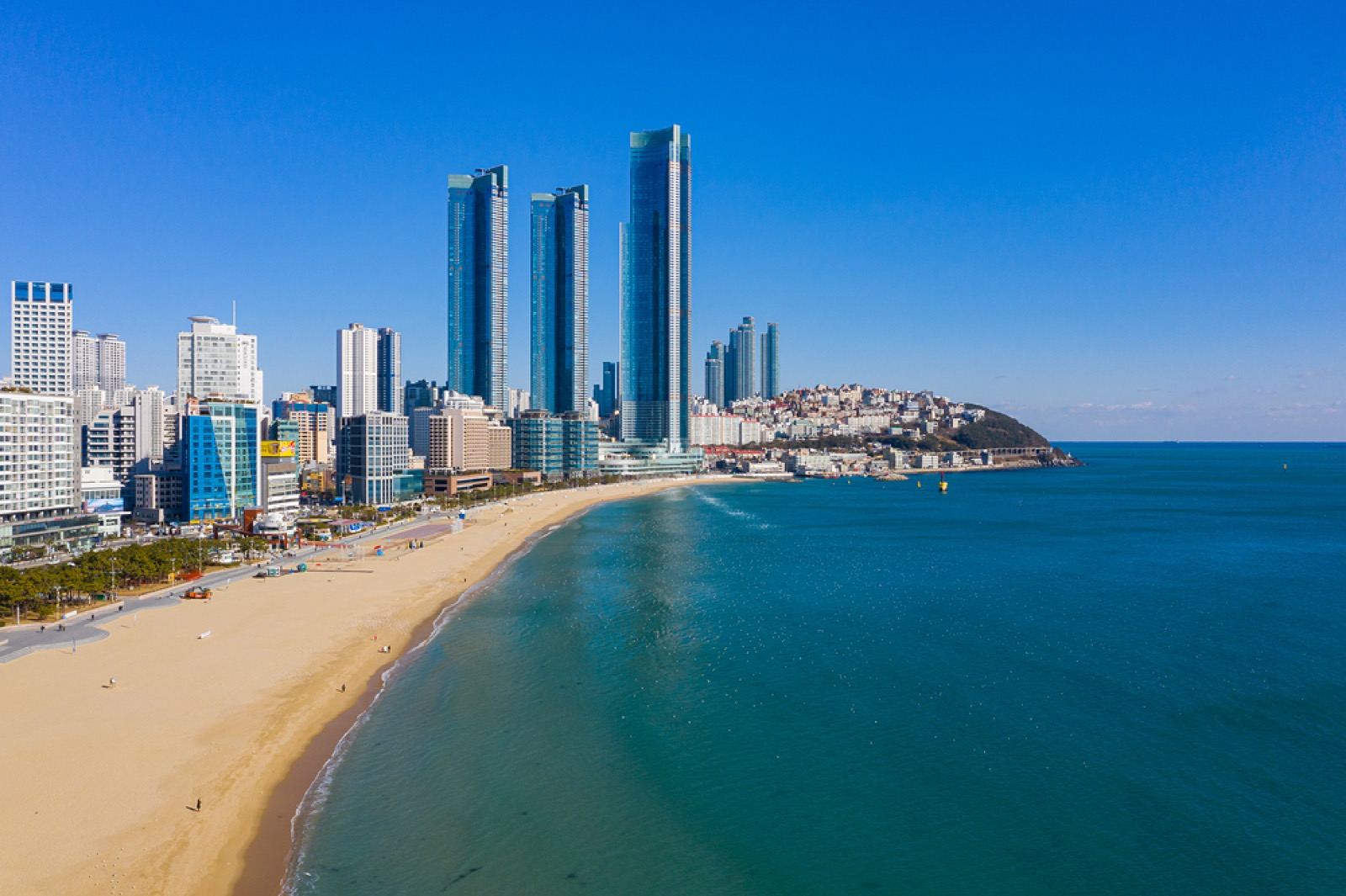
Most people know Ulsan as an industrial city, home to shipyards and car plants. What surprises first-time visitors is the coast: a scenic shoreline of capes and sea cliffs, plus easy nature escapes, all a short hop from Busan and Gyeongju.
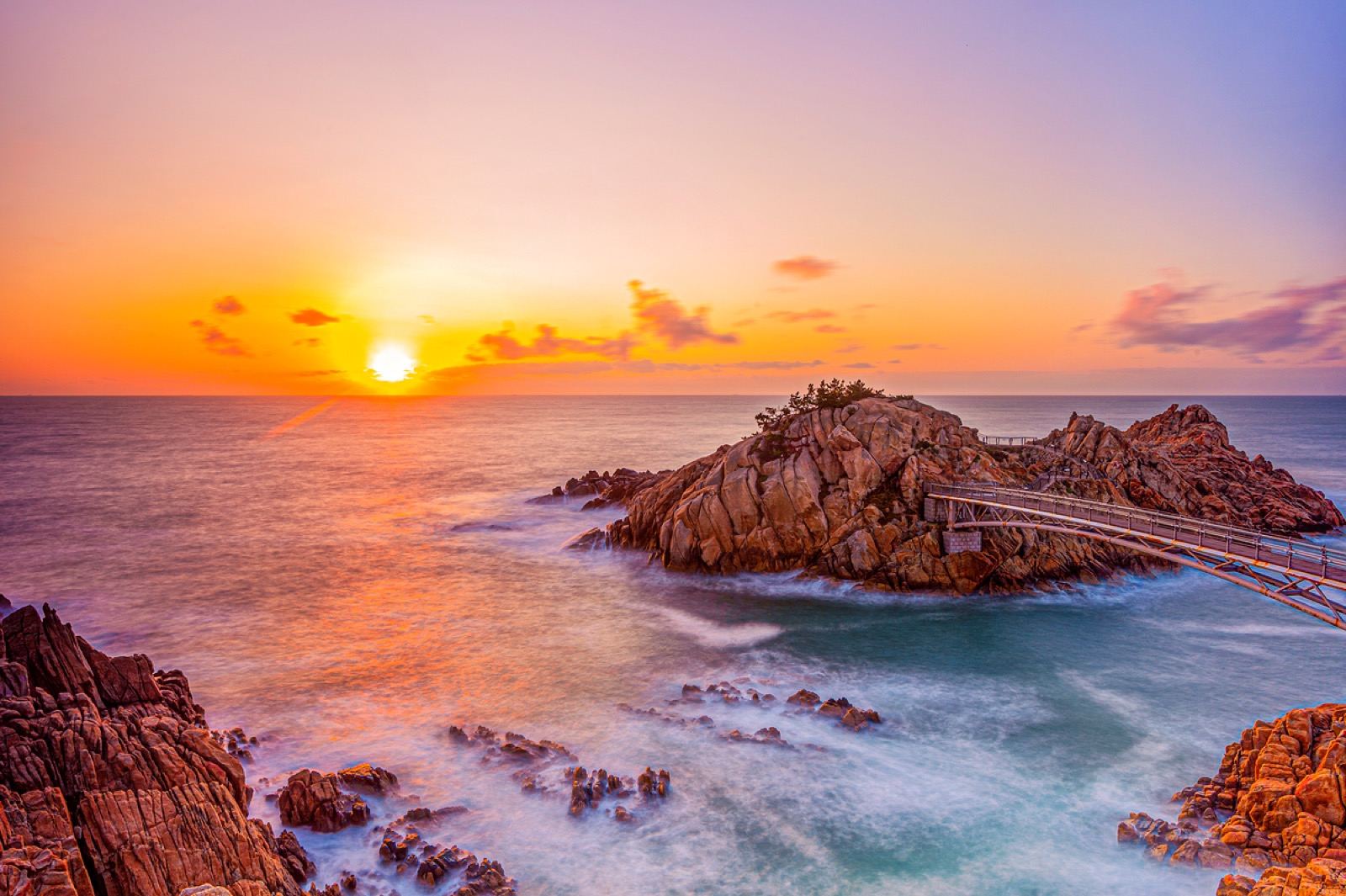
Come for first light at Ganjeolgot, one of the earliest sunrise points on the mainland. Walk the pine-and-rock trails of Daewangam Park out over the water, then wander the Taehwagang riverside bamboo grove. Ulsan also carries a long whaling history, on display at Jangsaengpo.
What to see and do
- Ganjeolgot — a cape that catches one of the earliest sunrises on the mainland, with a lighthouse and an oversized mailbox. Best at dawn, obviously.
- Daewangam Park — coastal trails through pine and rock over the sea, with a striking offshore rock formation.
- Taehwagang National Garden — a large riverside park whose bamboo grove (Simnidaebat) is the quiet highlight.
- Jangsaengpo Whale Culture Village — museums and a harbor recalling Ulsan's whaling past. The prehistoric Bangudae petroglyphs are nearby.
- Yeongnam Alps — high ridgelines and silver-grass fields just inland, a favorite with hikers.
What to eat
The coast means fresh seafood, but Ulsan's own specialty is eonyang bulgogi, a local grilled-beef style worth seeking out. A bowl of hearty gukbap rounds out a cold morning.
Getting around
The KTX stops at Ulsan (Tongdosa) Station, roughly 30 minutes from downtown by bus or taxi. The sights are scattered along the coast and river, so buses reach the main ones but a taxi or car saves real time between them.
When to go
Come around January 1 if you want the famous first-sunrise crowds at Ganjeolgot. Autumn is for the Yeongnam Alps silver grass, and spring and summer suit the coast and bamboo grove.
Insider tip
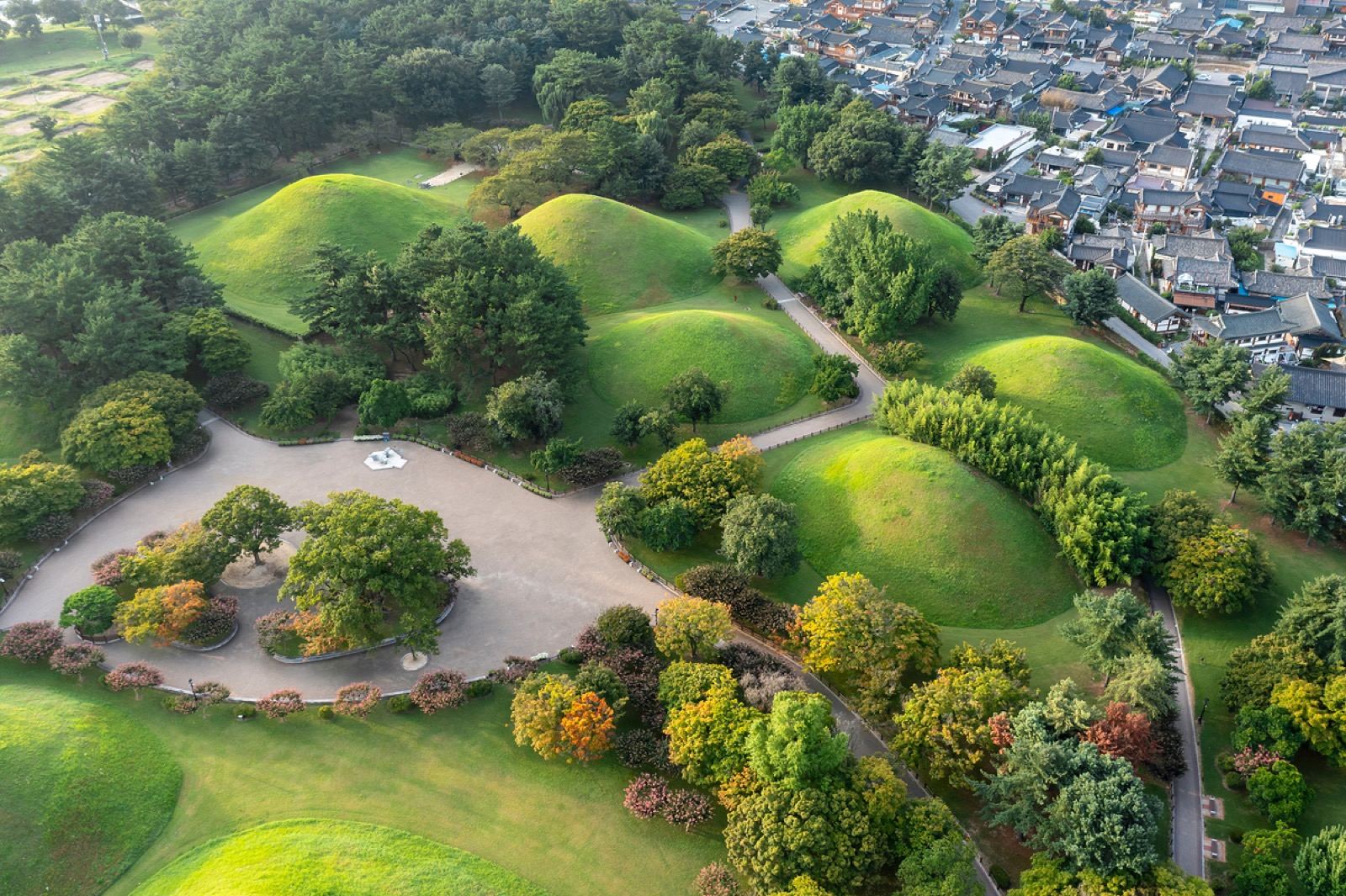
Pair Ulsan with Gyeongju and Busan. The three sit close together on the southeast coast, and you can string them into an easy multi-city loop by train and bus.