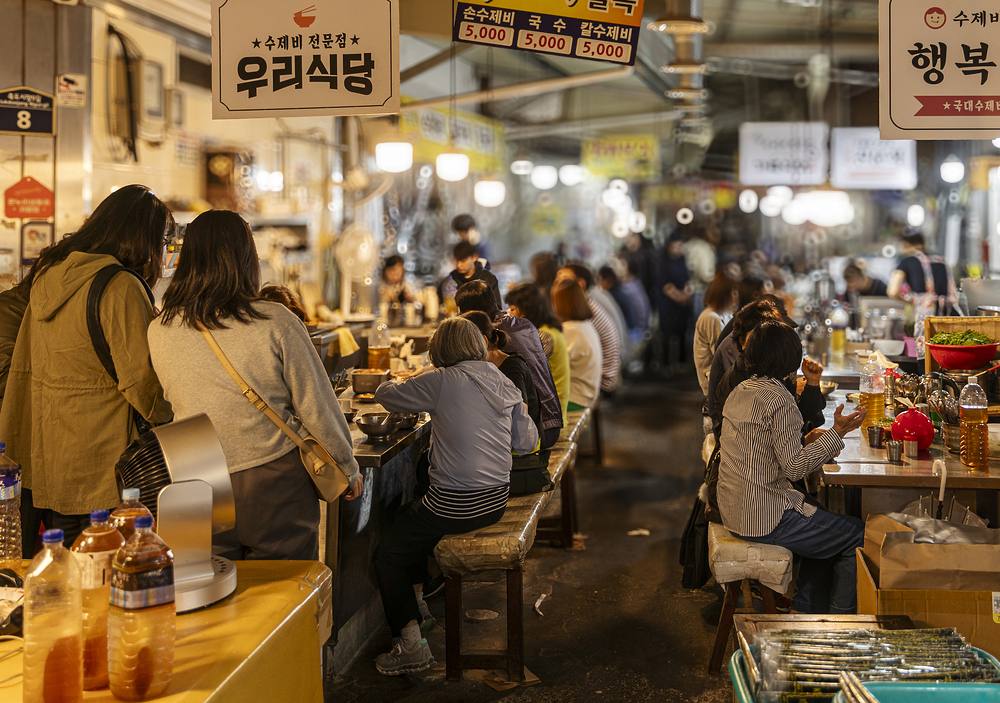
Korea eats regionally, and that's the fun of it. Each city south of Seoul has a dish it does better than anywhere else, usually tied to its port, its farms or its history. If you plan even a couple of meals around the local specialty in each place, you eat far better than you would ordering the same bibimbap everywhere. Here's the short version of what to order, region by region.
Why eat regionally in Korea?
Because the good stuff barely travels. Busan's milky pork soup, Andong's braised chicken, Mokpo's raw octopus — these are cheap, everyday dishes that taste of the place, and locals are proud of them in a way that makes ordering easy. You don't need reservations or a big budget. You need to know the one or two things each town is known for, and then just point.
Busan and the southeast coast
Busan is a port city, so the food is coastal, bold and a little different from Seoul.
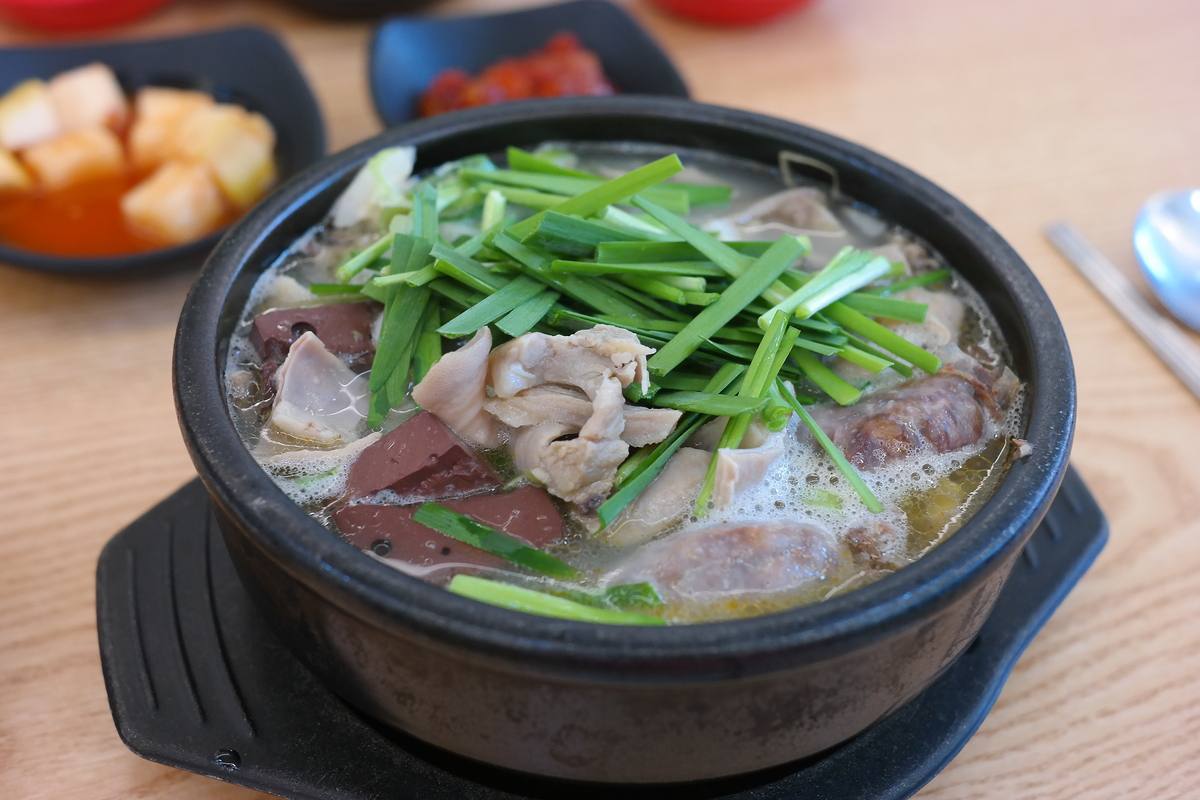
- Dwaeji gukbap — the city's signature comfort food, a milky pork-bone broth with rice you season yourself at the table. There's a whole street of it in Seomyeon.
- Milmyeon — chewy cold wheat noodles in an icy broth, a Busan invention from post-war shortages.
- Ssiat hotteok — a seed-stuffed street pancake, best from the stalls at BIFF Square.
Down the coast, Tongyeong does chungmu gimbap (tiny plain rolls with spicy squid on the side) and honey bread, Ulsan's Eonyang district is known for charcoal bulgogi, and Pohang brings out gwamegi, wind-dried herring, in winter. Full details are on our Busan and Tongyeong guides.
Jeonju and the southwest
The southwest (Jeolla) is widely considered Korea's best-eating region, famous for tables that fill with free side dishes.
- Jeonju is the headliner: the city's celebrated bibimbap, kongnamul gukbap (bean-sprout soup) for the morning after, and a makgeolli alley where one kettle of rice wine summons a table of snacks. It's a UNESCO City of Gastronomy for a reason — see our Jeonju guide.
- Mokpo is for the brave: sebal nakji (small raw octopus) and pungent fermented skate, hongeo. Milder minate croaker if that's a step too far.
- Yeosu does gatkimchi (mustard-leaf kimchi) and soy-marinated crab, gejang.
- Damyang is tteok-galbi country (grilled minced short-rib), and Suncheon does seasoned cockles, kkomak.
Green tea country: Boseong and Hadong
Down in the deep south, Boseong and Hadong grow Korea's green tea, and it works its way into everything from noodles to ice cream. Order a pot of fresh nokcha rather than the bottled stuff, and try the green-tea soft-serve at the plantation cafés. Our green tea trail piece has the full route.
Gyeongju, Andong and the inland
Inland, the food leans older and heartier.
- Gyeongju does ssambap, a spread of rice and greens to wrap yourself, plus hwangnam-ppang, the red-bean pastry everyone takes home. See the Gyeongju guide.
- Andong is a genuine food destination: jjimdak (soy-braised chicken with glass noodles), salt-cured mackerel that survived the trip inland, and its own famous soju.
The east coast: Gangneung and Sokcho
The east coast is about the sea and, oddly, coffee.
- Gangneung invented Korea's seaside café culture along Anmok Coffee Street, and does silky chodang sundubu (soft tofu made with seawater).
- Sokcho punches above its size: crunchy dakgangjeong (sweet-spicy fried chicken) from the market, and ojingeo sundae, squid stuffed with noodles, from Abai Village. Our Sokcho & Seoraksan guide covers it.
Dishes to try anywhere
Some things aren't regional — they're just Korea, and you should eat them wherever you are:
- Korean BBQ, grilled at your table, from pork belly to premium beef.
- Temple food, the quiet, meat-free monastery cuisine — more in our temple food piece.
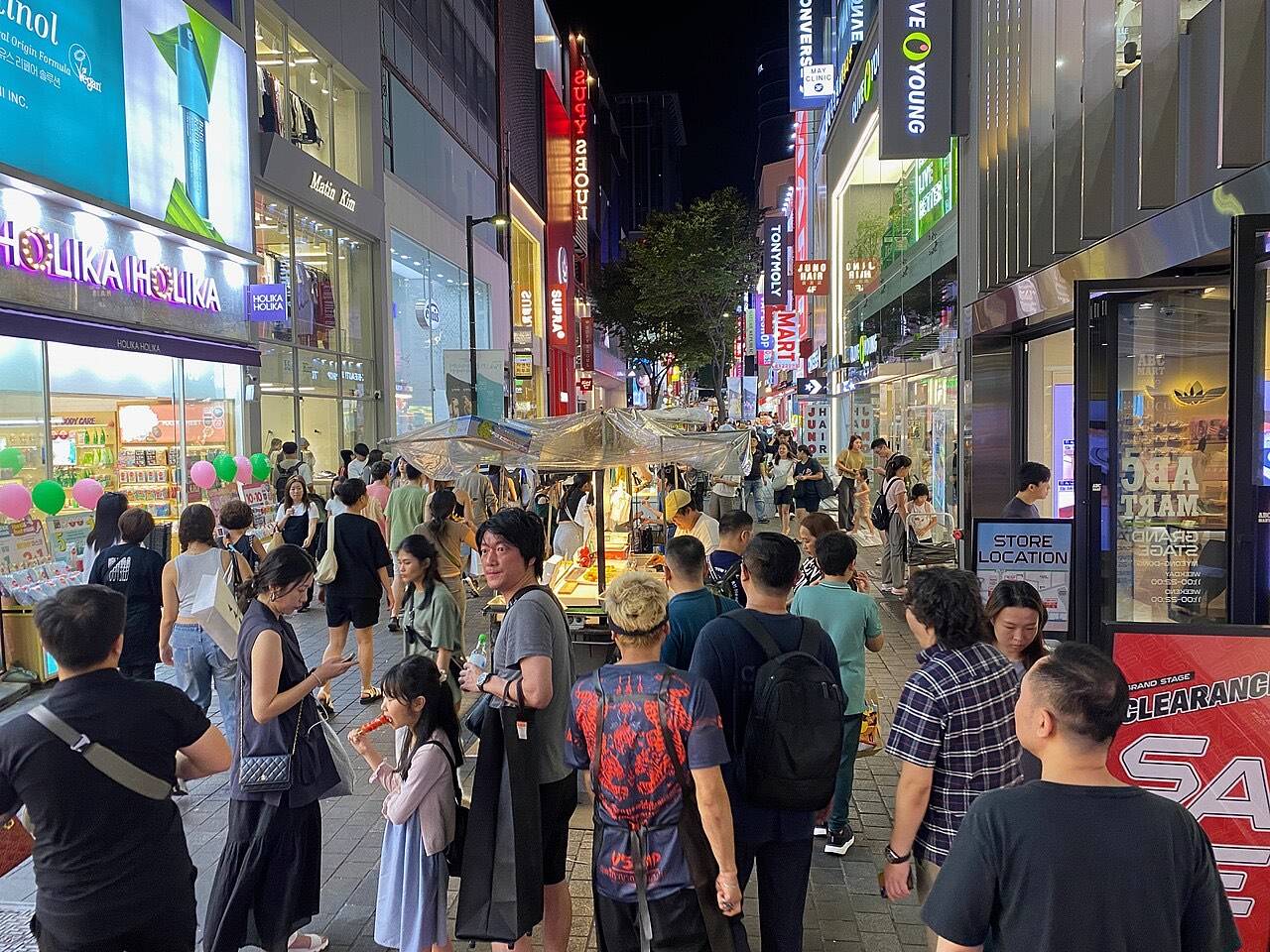
- Street food and traditional markets, the cheapest, most fun way to graze — see Korea's markets beyond Seoul.
- Makgeolli, milky rice wine, best by the kettle.
How to eat well as a foreigner
A few things make it easy:
- Head to markets and gukbap houses. They're cheap, fast, and the specialty is usually the thing everyone's eating.
- Point and copy. No Korean needed. Order what the next table has.
- Say your spice level. "An maewoyo" (not spicy) helps if chili isn't your thing.
- Don't tip. It's not expected anywhere, and cards work almost everywhere, though markets sometimes prefer cash.
The single best food move in any Korean city: find the local market at lunchtime and eat whatever has the longest local queue. It's almost never wrong.
How to do it
- Pick one signature dish per city and build a meal around it.
- Use the markets for breakfast and snacks, restaurants for the specialty.
- Pair food with the place — most of these cities have a market, a specialty and a view within walking distance.
- Book a food tour for your first city if you want a local to do the ordering and explain what you're eating.
A guided food or market tour is the easiest way into a new city's flavors, especially on your first stop.
Book a Korean food & market tour
Eat regionally and Korea opens up fast. Order the local thing in each town, and by the end of a southern loop you'll have eaten better, and cheaper, than any single-city trip could manage.